









In 24 cities

Monsoon Season Pet Care Checklist: A Simple Guide for Bengaluru Pet Parents
|
|
Time to read 9 min
Get product availability and delivery timelines based on your location.
Are you sure you want to delete this address?
100% Authentic

Easy return policy

Help us ensure a smooth delivery
Help us ensure a smooth delivery
SIZE GUIDE
|
|
Time to read 9 min
Bengaluru monsoon looks romantic on Instagram, but in the clinic, it’s a different story. As a vet, this is when I see the maximum cases of skin infections, ear infections, ticks, worms, upset tummies, and paw injuries, mostly from dirty water, damp fur, and all those irresistible puddle walks dogs love.
A lot of these issues are actually preventable with simple daily habits. That’s why I’ve put together this easy Monsoon Season Pet Care Checklist, specially for Bengaluru pet parents, so you know exactly what to do (and what to avoid) to keep your dog safe, dry and healthy all through the rains.
Quick Note: Monsoon pet care in Bengaluru means daily paw drying, ear checks 3x/week, anti-fungal shampoos, leptospirosis prevention, and keeping your dog away from puddles and drainage areas. Waterborne diseases like leptospirosis, ringworm, and otitis spike 180% in the rains, but all are preventable with the habits in this guide.

Monsoon humidity and standing water create perfect breeding grounds for bacteria, fungi, and parasites. According to the Indian Veterinary Association, waterborne diseases, including leptospirosis, ringworm, and otitis, increase by 180% during the monsoon compared to dry months.
The most dangerous of these is leptospirosis, a bacterial infection that causes kidney and liver failure and carries a 10-20% mortality rate even when treated promptly. Rodents carrying the bacteria urinate near puddles and drainage areas, contaminating any water your dog sniffs, steps in, or laps up. To know more about leptospirosis and waterborne diseases, read on Leptospirosis in Dogs and Protecting Your Pets in Monsoons.
Here's What Helps:
Limit outdoor time to leashed walks on concrete paths, never through grass, puddles, or drainage areas
Avoid swimming or wading in any natural water source during the monsoon
Wash paws immediately after outdoor time, especially between toes and paw pads
Keep drinking water indoors only in closed containers; never allow drinking from outdoor sources
Consider leptospirosis and Giardia vaccination if your pet frequents outdoor areas (consult your vet)
Trim long hair around the genitals and anal area to prevent moisture retention
Increase bathing once a week with anti-fungal shampoo if your pet has a history of skin infections
Ringworm, the most common fungal infection during monsoon, is contagious to humans and other pets. Infection rates increase because fungi thrive in warm, damp environments. The condition appears as circular, scaly patches that cause intense itching. For a deeper dive, read: “How to Protect Your Pet from Ringworm” and “Monsoon Skin Issues in Dogs: How to Keep Your Pet Healthy.”
Ways to Prevent It:
Check the pet's skin daily for red, circular patches or unusual hair loss
Keep fur completely dry after bathing; use a towel and blow-dryer on low heat
Increase bedding wash to once a week
Change bedding immediately if wet; don't allow wet fabric to sit against the pet's skin
Use anti-fungal shampoo (ketoconazole or miconazole-based) twice weekly if prone to infections
Maintain a dry indoor environment; use a dehumidifier in humid rooms where pets sleep
Separate the infected pet from other animals and sleeping areas until treated
Sanitize regularly-used surfaces (food bowls, bedding) with diluted bleach (1:10 ratio)
Vet Approved Skin Care:
Otitis (ear infection) is the #2 monsoon pet complaint in Bangalore. The warm, moist environment inside the ears creates perfect conditions for bacterial and yeast growth. Dogs with floppy ears or hairy ear canals (Poodles, Cocker Spaniels) face a higher risk.
Warning signs:
Constant ear scratching or head shaking
Foul smell or discharge from the ears
Redness, swelling, or crusting inside the ear
Head tilting to one side
Balance problems or hearing loss (if severe)
What You Can Do:
Check and clean ears daily during monsoon (twice weekly in other seasons)
Use ear cleanser (ask your vet for a recommendation)
Never insert cotton swabs deeply; clean the outer visible area only
Gently fold the ear flap and massage the base to distribute the cleaner
Let excess drip out onto a paper towel
Dry thoroughly after cleaning
Consider short haircuts around the ears to improve air circulation
Protect ears during bathing with cotton balls to prevent water entry
Schedule an ear check with a vet if infection signs appear; untreated infections damage eardrums
Ver Recommended Ear Care Meds:

Wet conditions soften paw pads, making them prone to infection and inflammation. Moisture trapped between toes creates ideal conditions for bacterial and fungal growth, causing painful interdigital dermatitis.
Ways to Prevent It:
Dry paws thoroughly after outdoor time, including between toes and under nails
Trim nails every 2-3 weeks (weekly if you notice overgrowth)
Trim long hair between toes closely, but don't cut skin
Use anti-fungal powder between toes after cleaning if prone to infections
Check paw pads daily for redness, swelling, discharge, or unusual odor
If paws smell like corn chips (normal) versus a sour smell (infection), monitor closely
Apply protective paw balm before outdoor exposure to create a water barrier
Bonus Read: Unhealthy vs. Healthy Dog Paws: Spotting and Treating Paw Infections
Contaminated water and increased moisture affect digestive health. Giardia and other parasitic infections cause diarrhea, which is common during the monsoon due to increased parasite exposure.
Ways to Prevent It:
Maintain consistent, high-quality food; avoid switching brands during season
Ensure food is stored in airtight, moisture-proof containers
Feed fresh food only; don't leave kibble sitting out longer than 1 hour
Provide boiled and cooled water during the monsoon
Add a vet-recommended probiotic daily to support gut health and improve stool quality
Monitor stool consistency daily; loose stools can indicate infection
Increase fiber with pumpkin puree (1-2 tablespoons daily) to firm stool
If diarrhea lasts more than 2 days, consult a vet (could indicate parasitic infection)
Vet Approved probiotics:
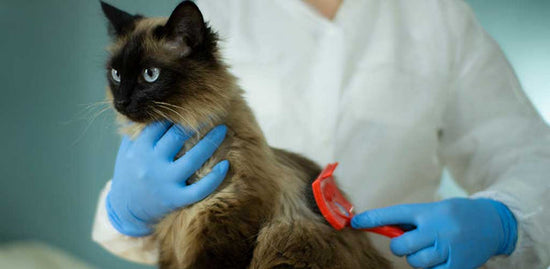
Standard grooming routines need an upgrade in the rain. Damp fur that stays wet is the single biggest trigger for skin infections, so drying time matters as much as bathing frequency. To know more about the importance of grooming, you can read - Keeping Your Dog Clean and Healthy in Monsoon, also How to Bathe a Dog at Home.
Grooming Essentials:
• Dog Brushes & Slickers: daily brushing removes dead hair and improves air circulation through the coat
• Dog Shampoos & Conditioners: switch to an anti-fungal formula during monsoon months
• Dog Grooming Supplies (wipes, towels, driers): keep pet wipes for quick drying between outdoor trips
• Dog Diapers & Wipes: handy for quick paw and belly wipe-downs after every walk
• Dog Trimmers & Nail Clippers: keep ear and paw hair trimmed short during the season
Bengaluru's greenery explodes in the rains, and so does the tick population. Ticks not only cause itching and anaemia, but they're also the primary vector of tick fever in dogs, which can be life-threatening if caught late.
Checklist to prevent Tick & Flea:
• Check your dog for ticks after every outdoor walk: run your fingers through the coat, especially around the neck, ears, between toes, and under the tail
• Use a vet-recommended monthly spot-on, oral tablet, or tick collar throughout monsoon - browse Dog Flea & Tick Products on Supertails
• Wash bedding on high heat weekly: ticks lay eggs in fabric (shop Dog Blankets & Cushions)
Bonus read: Getting Rid of Fleas and Ticks from Dogs and Cats | How to Identify and Remove Ticks from Your Dog
Explore Dog Flea & Tick Products:
Beyond medicines and routines, a few practical items make monsoon walks dramatically safer and cleaner.
Item |
Why It Helps |
Shop on Supertails |
Dog Raincoat |
Keeps coat dry; reduces post-walk drying time |
|
Paw Wipes / Pet Wipes |
Quick drying between toes after walks |
|
Anti-fungal Shampoo |
Prevents fungal skin infections in a damp coat |
|
Tick Prevention Product |
Prevents tick infestations and tick fever |
|
Collapsible Water Bowl |
Carry clean water on walks to prevent puddle drinking |
|
Indoor Non-slip Mat |
Dry paws at the door; catches muddy water |
|
Daily Tasks: • Dry paws thoroughly after every outing (between toes!) • Check skin and paws for redness, smell, or unusual patches • Feed fresh food only; provide clean boiled water
Every 2-3 Days: • Clean ears with vet-approved solution • Check for ticks, especially in the neck, ear, and paw areas
Weekly: • Wash bedding on high heat and dry fully before use • Brush coat to remove dead hair and improve airflow • Anti-fungal shampoo bath for prone dogs
Monthly / As Needed: • Deworming dose (consult your vet for schedule) • Tick/flea prevention treatment • Nail trim (trim inter-toe hair too) |
The rains bring so much joy, muddy runs, cosy afternoons, the smell of wet earth. Your dog loves it too. These simple habits mean they get to enjoy every bit of it, without the infections and tummy upsets that so often crowd my monsoon appointments.
If anything on this checklist raises a concern, our vets are here: book an online consultation, visit Supertails+ Clinic in Bangalore, or book an at-home vet visit in Bangalore. Stay dry out there.

Dogs commonly face leptospirosis, skin and ear infections, gastrointestinal upsets, tick and flea infestations, and respiratory infections during the Indian monsoon due to stagnant water, humidity, and parasites. These conditions can turn serious quickly, so early veterinary attention and preventive care are essential.
Protect your dog from leptospirosis by keeping vaccinations updated, avoiding puddles and stagnant water, preventing contact with rodent urine, and offering only clean drinking water. Dry your dog thoroughly after walks and see your vet immediately if you notice fever, vomiting, or jaundice-like signs.
During monsoon, check your dog’s ears several times a week and clean them one to three times weekly, especially after baths or rainy walks, using a vet-recommended ear cleaner. Over-cleaning can irritate the canal, so adjust frequency based on your vet’s advice and your dog’s ear health.
Ringworm is a fungal skin infection that can spread from dogs to humans through direct contact with infected fur, skin, or contaminated objects like bedding and brushes. People with cuts, eczema, children, the elderly, or immunocompromised individuals are at higher risk, so strict hygiene and prompt treatment are important.
A mildly “corn chip” or sour smell can come from natural skin bacteria and yeast on damp paws, but a strong odour, redness, itchiness, or brown discharge suggests infection. In monsoon, always wash and dry paws thoroughly after walks and consult your vet if odour or licking persists.
Monsoon increases exposure to contaminated soil, water, and intermediate hosts, so strict, timely deworming becomes even more important, though you should not exceed your vet’s recommended schedule. Follow a regular deworming protocol, stool checks when needed, and good hygiene to control worm load safely.


Accepted formats: JPG, JPEG, or PDF
Upload clear images under 8MB for prescription verification
As per Indian Medical Laws a valid prescription should have the following information
DO'S AND DONT'S
Upload Clear Image
Make sure the picture captures clear and legible handwriting/type. Place the prescription on a flat surface to improve focus and clarity in the image.
No Picture of Medicines
Do not Crop the Image
2 item in cart
₹10,360


