














In 24 cities

Tick Fever in Dogs: Symptoms, Treatment, and Prevention
|
|
Time to read 19 min
Get product availability and delivery timelines based on your location.
Are you sure you want to delete this address?
100% Authentic

Easy return policy

Help us ensure a smooth delivery
Help us ensure a smooth delivery
SIZE GUIDE
|
|
Time to read 19 min
I still remember a young Labrador I treated last monsoon who came in barely able to stand. His pet parents thought he was just tired from the heat, but they mentioned he'd had a recent tick infestation we were still trying to control. By the time they brought him in, he was not eating, had a high fever, pale gums, and a slightly swollen belly. His blood work clearly pointed to tick fever, and they were shocked at how quickly a "few ticks" had turned into a life‑threatening illness.
Canine tick fever is one of the most common and dangerous diseases affecting Indian dogs. With India's warm, tropical climate providing ideal conditions for tick breeding year-round, every dog, regardless of breed, age, or whether they are an indoor or outdoor pet, faces real exposure. Many parents notice their dog becoming suddenly lethargic and feverish after a tick bite, but don't realise how rapidly the condition can escalate. This vet-reviewed guide explains what tick fever is, how to recognise its symptoms, how veterinarians diagnose and treat it, and, most importantly, how you can prevent it before it starts.
⚠️ Quick Summary — Tick Fever in Dogs
It is caused by tick-borne parasites and bacteria — primarily Babesia and Ehrlichia canis — transmitted by the brown dog tick, which is common across India. Key symptoms are high fever (104–106°F), extreme lethargy, pale gums, and loss of appetite. Treatment requires prescription antibiotics or antiparasitic medication from a vet. Early diagnosis is critical; delayed treatment can be fatal.
Tick fever in dogs is a collective term for a group of infectious diseases transmitted through the bite of infected ticks, primarily caused by blood parasites (Babesia spp.) or intracellular bacteria (Ehrlichia canis, Anaplasma platys). In India, the brown dog tick (Rhipicephalus sanguineus) is the dominant vector, making tick fever a nationwide risk documented in every major city, according to published Indian veterinary research. One infected tick bite is enough to transmit pathogens directly into your dog's bloodstream, where they rapidly multiply and damage red blood cells or platelets, triggering the clinical syndrome pet parents refer to as "tick fever." Recognising that tick fever is not a single disease but a spectrum of tick-borne illnesses is essential for understanding why symptoms vary and why the right test matters.
India's tropical climate supports year-round tick activity, making tick-borne illnesses consistently prevalent. Veterinary clinics across India report three primary diseases.
Babesiosis (Babesia canis canis, B. canis vogeli, and B. gibsoni) causes infectious haemolytic anaemia by invading and destroying red blood cells; it is especially severe in puppies and dogs in multi-dog households like kennels and boarding facilities, per research published in Veterinary Parasitology.
Ehrlichiosis caused by Ehrlichia canis, often called canine monocytic ehrlichiosis — attacks platelets and white blood cells, causing bleeding disorders and immune suppression; German Shepherds and Dobermans appear genetically more susceptible to severe outcomes, though all breeds are at risk.
Anaplasmosis in dogs, caused by Anaplasma platys, affects platelets similarly to Ehrlichia. A single dog can be co-infected with more than one pathogen simultaneously, increasing disease severity.
The brown dog tick thrives in India's warm, humid conditions and survives indoors in carpets, furniture, and bedding — unlike many tick species that only live outdoors. This means even apartment-dwelling, indoor-only dogs face tick exposure when ticks hitchhike indoors on clothing, shoes, or other pets. Monsoon and post-monsoon periods (July–October) see the highest tick activity, though cases are reported throughout the year. Supertails' veterinary consultants see a significant spike in tick fever queries from Indian pet parents every August–September, coinciding with peak tick season. Dogs that visit parks, dog parks, groomers, or boarding facilities carry additional risk. Despite widespread awareness, many pet parents in India underestimate tick risk because their dog rarely goes outdoors — making prevention education critically important for every dog parent, regardless of lifestyle.
The most common tick fever symptoms in dogs are a rectal temperature spike above 104°F (40°C), sometimes reaching 106°F (41.1°C) - combined with severe lethargy, complete loss of appetite, and pale or yellowish (jaundiced) gums, according to PetMD and published veterinary clinical guidelines. These symptoms typically appear 1–3 weeks after an infected tick bite. Since dogs are stoic by nature and tend to hide illness, many parents notice only the lethargy and anorexia initially, not realising fever is also present. Any dog showing these signs — especially after known tick exposure — requires urgent veterinary attention within 24 hours, as untreated cases can progress to organ failure within days.
🚨 Emergency Warning Signs - Go to a Vet Immediately: High fever above 104°F, sudden collapse or inability to stand, bloody urine or dark brown urine, uncontrolled bleeding from gums or nose, yellow-tinged skin or whites of the eyes (jaundice), seizures, or complete refusal to eat or drink for more than 24 hours.
Signs of tick fever in dogs during the acute phase, which begins 1–3 weeks after the tick bite, develop quickly and can become severe within 48–72 hours. The most consistent early indicators are rectal fever above 104°F, profound lethargy (the dog appears exhausted and unwilling to move), and complete loss of appetite. Pet parents often describe their normally energetic dog as "just lying there" or "not being themselves." Additional acute symptoms include swollen lymph nodes, joint pain that causes a reluctance to walk or climb stairs, and persistent shivering even in warm weather. Vomiting and diarrhoea are also reported in some cases. Because these symptoms overlap with many other illnesses — including parvovirus and leptospirosis — never attempt self-diagnosis; only a blood test can confirm tick fever and identify the specific pathogen responsible.
Symptom |
Babesiosis (Babesia) |
Ehrlichiosis (Ehrlichia canis) |
|---|---|---|
High fever |
✔ Yes — rapid onset |
✔ Yes |
Lethargy & weakness |
✔ Severe (due to anaemia) |
✔ Severe |
Pale/white gums |
✔ Very common (haemolytic anaemia) |
Sometimes |
Yellow gums/jaundice |
✔ Common |
Rare |
Dark/red urine |
✔ Haemoglobinuria (hallmark sign) |
Rare |
Bleeding (gums, nose) |
Less common |
✔ Common (low platelets) |
Weight loss |
In chronic cases |
✔ Chronic ehrlichiosis |
Nasal / eye discharge |
Rare |
✔ Common |
Swollen lymph nodes |
Sometimes |
✔ Common |
What are the symptoms of tick fever in small dogs?
In small breeds, tick fever often presents more acutely — watch for sudden high fever (above 104°F), severe lethargy, pale or white gums, and complete loss of appetite. Small dogs may also show trembling, weakness in the hindlimbs, and rapid breathing. Because small dogs have lower blood volume, anaemia from Babesiosis can become life-threatening far more quickly than in larger breeds. If your small dog seems "off" after any tick exposure, don't wait — seek same-day veterinary evaluation.
— Dr. Anees Ibrahim
Tick fever in dogs, particularly Ehrlichiosis, progresses through three distinct clinical phases if left untreated. The acute phase (weeks 1–4 after infection) is when fever, lethargy, and anorexia appear — dogs respond very well to treatment at this stage with full recovery. The subclinical phase follows: clinical signs appear to resolve, but the bacteria remain in the spleen; the dog seems recovered but is still infected, and platelet counts remain low. This silent phase can last months or even years. Finally, the chronic phase brings severe, life-threatening complications, including bone marrow suppression (pancytopenia), severe anaemia, excessive bleeding, neurological signs, and multi-organ failure. The survival rate in chronic ehrlichiosis is significantly lower than in acute cases, per a clinical review in the Journal of Veterinary Internal Medicine. This three-phase progression is why immediate diagnosis at the first sign of illness is so critical for your dog's survival.
Diagnosing canine tick fever requires blood tests, a physical examination alone is insufficient to confirm tick fever or identify the specific pathogen. The standard diagnostic protocol includes a Complete Blood Count (CBC), which typically reveals thrombocytopenia (dangerously low platelet count), anaemia (low red blood cell count), and elevated white blood cells. A blood biochemistry panel assesses liver and kidney function, which is critical because tick fever frequently causes organ damage. A real-time PCR (polymerase chain reaction) test is the most accurate method available in India for identifying the specific pathogen — Babesia species, E. canis, or Anaplasma — and is available at most major Indian veterinary diagnostic laboratories, per the Indian Journal of Veterinary Internal Medicine. Blood smear microscopy can detect Babesia parasites inside red blood cells directly, but requires an experienced lab technician and may miss low-level infections.
When you bring a feverish, lethargic dog to the vet with suspected tick fever, your veterinarian will typically run: a Complete Blood Count (CBC) to assess platelet and RBC counts; a blood biochemistry panel to check liver enzymes (ALT, AST) and kidney markers (creatinine, BUN); a PCR test or ELISA antibody test for Babesia and Ehrlichia; and a urine test to check for haemoglobinuria (red-brown urine indicating RBC breakdown). The PCR test for tick fever in dogs costs approximately ₹1,500–₹3,500 depending on the laboratory and city, while a full diagnostic panel typically runs ₹3,000–₹7,000. Do not delay testing to save cost — tick fever that progresses to the chronic phase requires dramatically more intensive — and expensive — treatment. Informing your vet if you found a tick on your dog recently, when symptoms began, and whether your dog has had tick fever before will significantly speed up diagnosis.
Tick fever in dogs treatment is prescription-only and must be supervised by a veterinarian — the specific medication depends entirely on which pathogen is causing the infection, confirmed by a blood test. Ehrlichiosis and Anaplasmosis are treated with Doxycycline, an antibiotic given orally at 5 mg/kg twice daily for a minimum of 28 days; this is considered the gold-standard treatment per the American College of Veterinary Internal Medicine (ACVIM) Consensus Statement. Babesiosis requires Imidocarb dipropionate, an antiparasitic injection administered by a veterinarian under careful monitoring, as it can cause adverse reactions. Dogs with co-infections (Babesia + Ehrlichia) may require both treatments simultaneously. Supportive care — IV fluids, anti-nausea medication, and iron supplements — is also essential and can make the difference between survival and death in severe cases. You can find veterinary-approved medicines and supplements at Supertails.
For pet parents in Bengaluru, you can visit a Supertails Vet Clinic near you for a full tick fever workup, blood tests, and personalised treatment plan, all under one roof. Prefer staying at home? Book an online vet consultation with Supertails’ experienced veterinarians, share your dog’s symptoms and reports over video, and get a clear diagnosis and treatment guidance without leaving your house.
Antibiotics for tick fever in dogs, specifically Doxycycline, work by blocking the bacteria's ability to synthesise proteins, halting replication of Ehrlichia and Anaplasma. The minimum treatment course is 28 days; shorter courses are associated with relapse, especially in the subclinical phase when bacteria hide in the spleen. Doxycycline must always be given with food to prevent oesophageal irritation and vomiting, a common side effect in dogs. Never give Doxycycline to pregnant dogs or puppies under 4 months, as it can cause permanent tooth discolouration and bone growth disruption in developing animals. Never stop the antibiotic course early, even if your dog appears to have fully recovered — subclinical infection persists and will resurface. Follow-up blood tests at 2–4 weeks and again at 6 months after completing treatment are essential to confirm clearance. Note: Doxycycline is not effective against Babesia — using the wrong drug wastes critical treatment time.
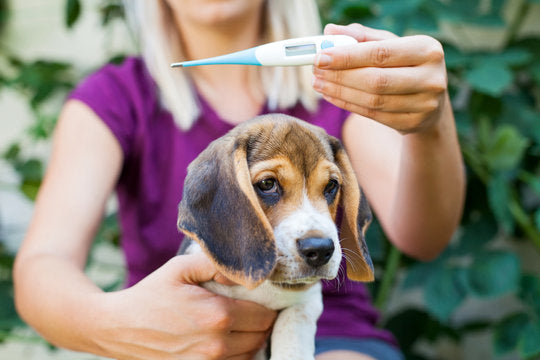
Home treatment for tick fever in dogs is primarily supportive care only. There is no safe, proven home cure for tick fever, and attempting to treat it without veterinary diagnosis is dangerous. While your dog is under veterinary care, home supportive measures that genuinely help include: ensuring your dog drinks adequate water (dehydration worsens organ stress); offering highly palatable, easily digestible food such as boiled chicken and rice if appetite is reduced; keeping your dog in a cool, calm environment away from other pets; and giving all prescription medications exactly as directed. Do not use human paracetamol (acetaminophen) or ibuprofen to reduce fever in dogs — both are toxic to dogs and can cause fatal liver failure and stomach ulcers. A lukewarm (not ice-cold) wet cloth on the paw pads and groin can help physically reduce fever temporarily while transporting your dog to the vet. Monitoring rectal temperature twice daily with a pet thermometer during recovery helps track treatment response.
Dogs diagnosed and treated in the acute phase typically begin showing clinical improvement — reduced fever, returning appetite — within 24–72 hours of starting Doxycycline, according to published veterinary clinical data. Full clinical recovery in uncomplicated acute cases generally takes 2–4 weeks with consistent medication and supportive care. Babesiosis cases treated with Imidocarb may take slightly longer (3–6 weeks) given the severity of anaemia that needs to resolve. Dogs treated in the chronic phase face a much harder recovery: bone marrow suppression may require blood transfusions, and full haematological recovery (if it occurs) can take 3–6 months. Some dogs with severe chronic Ehrlichiosis do not survive, even with aggressive treatment. This is why Supertails and our veterinary consultants consistently emphasise that tick fever is a medical emergency, not a "watch and wait" situation.
What is the survival rate of dogs with tick fever?
“Dogs diagnosed and treated during the acute phase have an excellent prognosis — recovery rates exceed 90% with appropriate medication and supportive care. However, survival rates drop significantly in the chronic phase, particularly with severe Ehrlichiosis, causing bone marrow suppression. Dogs that develop pancytopenia (dangerously low counts of all blood cells) may not survive even with aggressive treatment. The bottom line: time matters enormously. Every day without treatment worsens the odds.”
— Dr. Anees Ibrahim
Nutrition during tick fever recovery is critical. Dogs with tick fever often lose significant body weight due to prolonged anorexia, nausea, and the metabolic demands of fighting infection. Offer small, frequent meals (4–5 times daily) of highly digestible, protein-rich food to support immune function and tissue repair. Boiled chicken breast and plain white rice is a safe, easily digestible starter diet during the first 1–2 weeks of recovery. Once appetite returns, gradually transition back to a complete, balanced commercial dog food — high-protein options support red blood cell regeneration in anaemic dogs. Ensure fresh water is available at all times; consider adding a small amount of low-sodium chicken broth to water to encourage drinking. Dogs on Doxycycline should receive all medication with food to prevent nausea. Avoid high-fat foods, raw meat, dairy products, and any supplements not prescribed by your vet during the recovery period, as these can stress already-compromised liver and kidney function.
What are the tick fever care and nutrition tips for dogs?
During recovery, prioritise hydration above all else — dehydration accelerates organ stress. Feed small, frequent meals of easily digestible protein (boiled chicken, plain rice). Avoid raw food, dairy, and fatty treats. Dog food supplements and vitamins can support recovery, but only use those recommended by your vet. Continue all prescribed medications for the full course, even when your dog appears better.
— Dr. Anees Ibrahim
Explore Vet Approved Dog Food Now!
Preventing tick fever in dogs is far simpler and safer than treating it. The cornerstone of prevention is consistent, year-round use of veterinarian-approved tick prevention products — either topical spot-on treatments applied to the skin or tick-repellent collars — combined with regular tick checks after outdoor activity, according to guidelines from the World Small Animal Veterinary Association (WSAVA). In India, where ticks breed indoors as well as outdoors, prevention must be ongoing, not just during monsoon season. A single missed monthly spot-on application is enough for a tick to establish, feed, and transmit Babesia or Ehrlichia. Supertails stocks a comprehensive range of vet-approved tick prevention products for dogs, and our veterinary team recommends starting puppies on tick prevention from 8 weeks of age onwards.
What is the survival rate of dogs with tick fever?
How to protect my dog from tick fever again?
After recovering from tick fever, lifelong vigilance is essential — prior infection does not confer immunity. Use a vet-approved spot-on or tick-repellent collar year-round, perform thorough tick checks after every outing, and schedule blood tests every 6 months to catch any silent recurrence early. Also consider using a tick and flea shampoo as part of your regular grooming routine.
— Dr. Anees Ibrahim
Browse Vet Recommended Shampoos:
The two most reliable categories of tick prevention products available in India are topical spot-on treatments — applied directly to the skin at the back of the neck once monthly — and tick-repellent collars that provide 4–8 months of continuous protection. Spot-on products containing Fipronil, Permethrin, or Fluralaner (isoxazoline class) are widely used and highly effective when applied correctly. Chewable oral tick preventatives (isoxazolines like Fluralaner) are increasingly available in India and offer the advantage of systemic protection, making them particularly useful for dogs that swim frequently or live in high-tick-burden areas. Do not use cat-labelled tick products on dogs, and never use any spot-on containing Permethrin on cats — it is highly toxic. Always consult your vet before selecting a product, especially for puppies, pregnant dogs, dogs with epilepsy, or breeds known to carry the MDR1 (ABCB1) gene mutation (Collies, Shetland Sheepdogs, Australian Shepherds), which can react adversely to certain isoxazolines. Browse Supertails' full range of tick and flea spot-on treatments to find the right product for your dog.
It’s important to make sure that you apply the spot-on properly to guarantee maximum safety and protection for your dog. If you wish to learn how to properly administer a tick & flea spot-on for your dog, then watch the following video:
Regular tick checks are essential regardless of whether your dog uses preventive products. Ticks on dogs most commonly hide around the ears, between toes, under the collar, around the tail base, groin, and armpits. After every outdoor activity, run your fingers through your dog's entire coat feeling for small bumps. Use a fine-toothed flea comb in heavy-coated breeds. If you find an attached tick, remove it immediately using fine-tipped tweezers or a dedicated tick removal tool: grip the tick as close to the skin as possible and pull straight outward with steady, even pressure — never twist, crush, or apply substances like petroleum jelly or nail polish, as these increase the risk of pathogen transmission. After removal, disinfect the bite site with antiseptic, place the tick in a sealed container (in case your vet wants to test it), and monitor your dog for symptoms of tick fever over the following 2–3 weeks. Learn the full step-by-step tick removal technique in Supertails' guide on how to identify and safely remove ticks from your dog.
"Tick fever in India is severely underdiagnosed in its early stages because many pet parents mistake the initial lethargy and loss of appetite for a digestive upset or heat exhaustion. By the time bleeding disorders or severe anaemia appear, we're often dealing with chronic Ehrlichiosis — which is exponentially harder to treat and carries a much grimmer prognosis. The single biggest factor in a dog's survival is how quickly the parent brings them to a vet after the first symptoms appear. If your dog is lethargic, feverish, and has been exposed to ticks, do not wait. Same-day veterinary evaluation is not an overreaction — it is the right call, every time. Year-round tick prevention with a vet-recommended spot-on or collar is the most powerful thing a dog parent in India can do."
— Dr. Anees Ibrahim
Tick fever in dogs is caused by Babesia (parasite) and Ehrlichia canis (bacteria), transmitted by the brown dog tick common across India.
Core symptoms: high fever (104–106°F), severe lethargy, pale or jaundiced gums, loss of appetite — appearing 1–3 weeks after a tick bite.
Diagnosis requires blood tests (CBC + PCR); physical examination alone cannot confirm tick fever or identify the pathogen.
Treatment for Ehrlichiosis/Anaplasmosis = Doxycycline for 28 days minimum; Babesiosis = Imidocarb injection from a vet.
Year-round tick prevention with a vet-approved spot-on or collar is the most effective strategy against canine tick fever.
Tick fever in dogs can be frightening, but the answers to all the big questions – how long a dog can survive, the first warning signs, how it’s treated, whether it ever goes away on its own, and which months are riskiest – all point to one clear truth: early action saves lives. If you notice sudden fever, lethargy, pale or yellow gums, or any history of tick exposure, don’t wait to “see if it improves” – tick fever will not resolve safely on its own and can turn deadly within days. Getting same-day veterinary care, completing the full prescribed treatment, supporting your dog’s nutrition and hydration, and maintaining year-round tick prevention (especially through the monsoon months when ticks peak) give your dog the best chance not only to survive tick fever, but to avoid facing it again in the future.
Protect your dog from tick fever before it starts. Shop Supertails' vet-approved tick and flea prevention products — spot-ons, collars, and more — trusted by thousands of Indian pet parents.
Shop Tick Prevention for Dogs → | Explore Dog Health Medicines →
Dogs with tick fever can survive for years if the disease is detected early and treated promptly with the right antibiotics and supportive care. Without treatment, severe anemia, organ damage, and complications like bleeding or seizures can become life-threatening within days to weeks.
Early signs of tick fever in dogs usually include high fever, lethargy, reduced appetite, and swollen lymph nodes. Many dogs also develop pale gums, mild lameness, or joint pain. As the disease progresses, you may notice weight loss, bruising on the skin, nosebleeds, or eye discharge.
Tick fever in dogs is treated with prescription antibiotics, usually doxycycline for several weeks, along with supportive care like fluids, liver support, and sometimes blood transfusions. Your vet may also recommend tick preventives and rest during recovery. Regular follow-up blood tests help ensure the infection is fully controlled.
Tick fever does not reliably go away on its own and can quietly damage blood cells, the immune system, and organs over time. Some dogs seem to improve temporarily, but the infection often lingers and flares later. Without proper veterinary treatment, complications and relapses are common and can be fatal.
The riskiest months for ticks are typically the warmer, more humid months, often from late spring through monsoon in many parts of India. However, in mild climates and urban pockets, ticks can stay active almost year-round. Any time temperatures stay above 15°C and grass is damp, tick risk increases noticeably.
Ticks are often repelled by strong natural scents like eucalyptus, citronella, lavender, and lemongrass, which is why some pet-safe sprays use these essential oils. However, fragrance alone is not enough for reliable protection. Always combine any natural repellents with vet-approved tick preventives for safer, longer-lasting tick control.
Tick bite fever can be mistaken for viral fevers, immune-mediated diseases, or other infections that cause lethargy, fever, joint pain, and low platelets. Conditions like immune-mediated hemolytic anemia or leptospirosis may look similar on symptoms alone. Blood tests, including tick panels and CBC, are essential for accurate diagnosis and treatment.
Most tick fevers in dogs are not directly contagious from dog to human, but the same ticks can bite both and spread similar organisms. That means shared environments, beds, or gardens can expose people too. Prompt tick prevention in pets, home hygiene, and quick tick removal reduce the overall household risk.
You should check your dog for ticks at least once daily during tick season, especially after walks in parks, farms, or bushy areas. Focus on ears, neck, tail base, between toes, and under the collar. Regular checks, plus monthly preventives, help catch ticks before they transmit serious diseases like tick fever.
Yes, puppies can get tick fever and are often more vulnerable because their immune systems are still developing and blood volume is lower. Even a small tick burden can cause severe anemia and weakness. Using vet-recommended, age-appropriate tick preventives and doing daily tick checks is especially critical for young puppies.






2 item in cart
₹10,360


