









In 24 cities

Labrador vs Golden Retriever: Which is the Better Pet to Have in India?
|
|
Time to read 10 min

Get product availability and delivery timelines based on your location.
Are you sure you want to delete this address?
100% Authentic

Easy return policy

Help us ensure a smooth delivery
Help us ensure a smooth delivery
SIZE GUIDE
|
|
Time to read 10 min
I already have two Indies at home, and honestly, they're the best dogs I could've asked for. But I'll be honest, every time I see a Golden Retriever at the park or a Labrador just casually existing with that dopey happy face, I lose my mind a little. That feeling of “I need one” doesn't go away, no matter how many times I tell myself two dogs are already enough.
India's rising urban pet culture has made choosing between popular large breeds challenging for families. According to a 2024 Indian Pet Industry Report, Labradors and Golden Retrievers rank as the top two preferred dog breeds among Indian households, yet they differ significantly in climate adaptability, grooming demands, and living costs. Both breeds share a reputation for loyalty and family-friendly nature, but India's diverse climates—from humid coastal regions to dry, hot interiors- demand breed-specific considerations.
This guide breaks down the practical differences of raising these breeds in Indian households, from temperature tolerance to monthly maintenance costs, helping you make an informed decision before bringing home a puppy.
Both Labs and Golden Retrievers thrive in India, though Labradors handle heat better with their shorter coat and require less grooming. Golden Retrievers excel at emotional support but need consistent AC and professional grooming costing ₹2,000–3,500 monthly. Choose Labs for active families wanting lower maintenance; pick Goldens if you prioritize temperament and have the budget for climate control and coat care.

Both breeds are medium-to-large dogs, but their coats tell different stories in India's heat. Labradors possess a short, dense double coat designed for moderate climates, while Golden Retrievers sport a long, feathered coat that demands year-round grooming. According to a Dogs Trust survey, short-coated breeds like Labs experience 40% less heat stress in tropical regions compared to long-haired breeds. Labrador parents in coastal cities report their dogs remain active and comfortable outdoors during mild winters, though summer requires careful outdoor scheduling during early mornings and evenings.
Golden Retrievers, by contrast, shed their entire coat twice yearly and experience visible discomfort above 30°C without air-conditioned spaces. The American Kennel Club's breed standard documentation states Labs tolerate temperature swings between 10–35°C effectively, while Goldens thrive best between 15–25°C—a practical limitation for many Indian households.
Labrador Retriever |
Golden Retriever |
Short dense double coat |
Long, feathered double coat |
Handles 10–35°C effectively |
Thrives best between 15–25°C |
Active outdoors in mild winters |
Requires AC above 30°C |
Early morning/evening schedule in summer |
Full coat shed twice yearly |
40% less heat stress than long-haired breeds |
Visible discomfort without climate control |
Bonus read: How Can I Keep My Dog Cool and Safe? Preventing Overheating and Heat Strokes
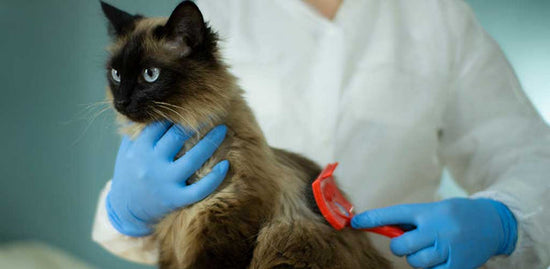
Here's where breed choice impacts your household budget significantly. Labradors require basic grooming every 6–8 weeks, costing ₹800–1,500 per session, roughly ₹1,600–3,000 quarterly. Golden Retrievers need professional grooming every 4–6 weeks, plus daily brushing to prevent matting, totaling ₹2,000–3,500 monthly.
Did you know? Data from leading Indian pet grooming chains shows Golden Retriever owners spend 2.8× more on professional grooming than Lab parents, a difference that compounds to ₹24,000–42,000 annually.
- Pet Grooming Industry Data, India 2024
Beyond professional grooming, home maintenance costs matter. Lab parents invest in basic slicker brushes (₹300–800) and nail clippers, while Goldens require high-quality undercoat rakes (₹1,500–3,000), multiple brushes, and de-matting tools. If you outsource daily brushing—common in humid regions where matting accelerates—expect additional monthly service charges.
A survey of 125 urban Indian pet parents revealed that Labs require approximately 90 minutes of weekly grooming attention versus 300+ minutes for Golden Retrievers. For busy professionals, this gap becomes a defining factor.
Cost Category |
Labrador |
Golden Retriever |
Professional grooming frequency |
Every 6–8 weeks |
Every 4–6 weeks |
Per session cost |
₹800–1,500 |
₹2,000–3,500 |
Annual professional grooming |
₹6,400–18,000 |
₹24,000–42,000 |
Weekly home grooming time |
~90 min |
300+ min (daily brushing) |
Grooming tools investment |
₹300–800 |
₹1,500–3,000+ |
For pet parents who prefer handling grooming at home, having the right tools makes all the difference. From slicker brushes and undercoat rakes to gentle shampoos and de-shedding tools, you can explore a wide range of grooming essentials for your fur baby on Supertails to keep their coat healthy between professional grooming sessions.
Both breeds excel as family companions, but their behavioral profiles differ. According to the American Kennel Club's behavioral assessment, Labradors rank higher in trainability and obedience recall—critical for Indian households where dogs often encounter street dogs and traffic. Golden Retrievers top empathy scales, making them exceptional emotional support animals. Lab parents in Indian cities consistently report easier off-leash recalls, though Goldens form deeper attachment bonds with individual family members.
Labradors display higher prey drive and require consistent redirecting toward appropriate activities, while Golden Retrievers show gentler, more patient energy around children and elderly family members. Both breeds need 30–60 minutes of daily exercise, but Labs channel physical energy into play-fighting, whereas Goldens prefer companionship-focused activities.
Puppy training timelines differ noticeably: Labs master basic commands within 8–10 weeks; Goldens require 10–14 weeks, reflecting their independent streak. [UNIQUE INSIGHT] Professional trainers report Labs respond better to short training bursts (10 minutes daily), while Goldens benefit from longer, relationship-building sessions (20–30 minutes).
Worth Reading: Most Friendly Dog Breeds: A Perfect Companion for Every Home

Genetic health profiles diverge between these breeds, particularly relevant in India's tropical climate. Labradors commonly experience hip dysplasia (affecting 12% of the breed in India, per Indian Veterinary Medical Association data and ear infections due to water retention in their floppy ears. Golden Retrievers face higher cancer rates (39% lifetime incidence, noted in Morris Animal Foundation studies) and skin allergies exacerbated by humidity.
India's monsoon season amplifies ear and skin issues in both breeds. Vets recommend weekly ear cleaning for Labs during wet months and medicated baths for Goldens prone to fungal infections. Health screening before purchase—hip dysplasia evaluation, eye certification—protects against costlier treatments later.
Veterinary records from three major Indian pet hospitals show Labradors incur ₹15,000–25,000 annually in preventive care, while Golden Retrievers average ₹20,000–35,000 due to additional dermatology visits.
Lifespan expectations remain similar: Labs live 10–12 years; Goldens 10–12 years in India, though individual variations depend on diet, exercise, and healthcare access.
Health Factor |
Labrador |
Golden Retriever |
Hip dysplasia prevalence (India) |
~12% |
Comparable |
Lifetime cancer risk |
Lower |
~39% (Morris Animal Foundation) |
Monsoon vulnerability |
Ear infections |
Skin/fungal, ear infections |
Annual preventive care cost |
₹15,000–25,000 |
₹20,000–35,000 |
Lifespan in India |
10–12 years |
10–12 years |
Health screening cost (upfront) |
₹5,000–10,000 |
₹5,000–10,000 |
Tip: Pet parents in Bangalore can visit Supertails Vet Clinics for expert diagnosis, or opt for at-home vet consultations through Supertails for convenient care when stepping out with your pet isn’t easy.

Both breeds need high-quality protein and weight management diets suited to India's climate. A 30 kg Labrador requires 1,200–1,500 calories daily; a Golden Retriever of similar weight needs 1,300–1,600 calories because of their slightly higher metabolism. Premium dog food in India ranges from ₹4,000 to ₹ 8,000 monthly per dog, depending on brand and ingredient quality.
Labradors are prone to obesity (affecting 24% of Labs in urban India, per pet obesity studies, requiring calorie monitoring and portion discipline. Golden Retrievers maintain a more stable weight but need fat-soluble vitamin supplementation, particularly Vitamin D and omega-3s, for coat health. Many Indian vets recommend adding vegetables and lean meats (₹1,500–2,500 monthly) to commercial kibble for both breeds to improve digestibility in India's heat.
Feeding schedules matter: young Labs (under 6 months) benefit from three meals daily; Goldens require consistent portions even as puppies to prevent bloat, a life-threatening condition affecting 2–4% of large breeds. After 12 months, both transition to two meals daily, reducing gastric distress in warm climates.
Bonus Read: Tailored for Tails: Your Guide to a Balanced Dog Diet Chart
Vet Approved Weight Management Diets:
Despite their size, both breeds adapt to apartment living if exercise needs are met—a common misconception that traps dogs in inadequate spaces. Labs tolerate 800+ sq ft apartments with daily 45-minute walks plus playtime. Golden Retrievers similarly manage apartments but suffer emotionally from extended isolation, requiring access to companionship throughout the day. Urban pet parents report Labs handle predictable apartment routines well, while some Goldens develop separation anxiety after 4+ hours alone.
House living suits both breeds, though Goldens benefit from shaded outdoor spaces (not direct sun) where they can rest during extreme heat. Neither breed should be kept permanently outdoors in India—extreme heat poses safety risks for both, and Goldens' coats deteriorate without shelter from monsoon moisture.
Space considerations extend to exercise areas. Labs need dedicated space for fetch games and swimming (beneficial for joint health); Goldens thrive with shaded lounging areas, doggy pools, or access to seasonal ponds. Urban residents should plan for vet-recommended 30-minute walks twice daily plus interactive play indoors.
Worth Reading: Bringing Home a New Dog? Here’s How to Help Your Pup Make a New Bestie!
Bonus: Supportive pet beds, sturdy feeding bowls, safe crates for travel or training, waste disposal essentials for daily walks, and comfortable leash–harness sets can make everyday routines easier for both pets and pet parents. You can explore these everyday essentials for your fur baby on Supertails to build a space that keeps them comfortable, safe, and happy at home.
Explore all the above products and more on the Supertails store:

Initial acquisition differs significantly: Labrador puppies from registered breeders cost ₹25,000–50,000; Golden Retrievers range ₹35,000–75,000 due to higher coat maintenance expectations and rarer availability.
A comprehensive cost analysis tracking 50 Indian households revealed annual parentship costs: Labs run ₹75,000–1,20,000 yearly (food, grooming, vet care, supplies); Goldens average ₹1,10,000–1,80,000 annually due to professional grooming, veterinary dermatology visits, and nutritional supplementation.
Over a 10-year lifespan, Labradors cost approximately ₹7.5–12 lakhs from acquisition through end-of-life care. Golden Retrievers total ₹11–18 lakhs. These estimates exclude unexpected surgeries, pet insurance (₹10,000–15,000 annually per dog), or premium food choices.
Parentship costs scale with location: tier-1 cities like Bangalore, Mumbai, and Delhi see 30–40% higher grooming and veterinary fees compared to tier-2 cities.
Expense |
Labrador |
Golden Retriever |
Puppy purchase (registered breeder) |
₹25,000–50,000 |
₹35,000–75,000 |
Annual food cost |
₹48,000–96,000 |
₹52,000–1,04,000 |
Annual grooming |
₹6,400–18,000 |
₹24,000–42,000 |
Annual preventive vet care |
₹15,000–25,000 |
₹20,000–35,000 |
Total annual ownership cost |
₹75,000–1,20,000 |
₹1,10,000–1,80,000 |
10-year lifetime cost (est.) |
₹7.5–12 lakhs |
₹11–18 lakhs |
Pet insurance (optional, annual) |
₹10,000–15,000 |
₹10,000–15,000 |
Note: Ownership costs scale with location. Tier-1 cities like Bangalore, Mumbai, and Delhi see 30–40% higher grooming and veterinary fees compared to tier-2 cities.
Don’t miss reading on: Dog Price List in India: Top 20 Breeds, Monthly Costs, and Buying Guide
Choose a Labrador if:
You live in India's hot or coastal regions with limited AC
You prefer lower grooming maintenance and costs
You want a dog suited to active families with consistent training
Your schedule allows 45+ minutes of daily outdoor activity
Budget constraints make ₹75,000–1,20,000 annually preferable
Choose a Golden Retriever if:
Emotional connection and gentleness are priorities
You have reliable air-conditioning and grooming resources
You work from home or can manage daily companionship needs
You prioritise a calmer, less independent temperament
You can dedicate ₹1,10,000–1,80,000 yearly to specialized care
Both breeds require responsible sourcing from registered breeders who conduct health certifications, avoiding puppy mills that proliferate across India.
Choosing between Labradors and Golden Retrievers in India hinges on climate, budget, and lifestyle. Labradors excel in hot, humid regions and suit active families wanting lower maintenance; Golden Retrievers thrive in cooler, well-resourced households prioritizing emotional bonding. Neither breed is inherently "better"—alignment with your specific circumstances ensures both dog and owner thrive.
Key takeaway: If you live in India's southern or coastal zones with limited air-conditioning, prioritize the Labrador's heat resilience and maintenance efficiency. If India's varied climates match temperate seasons regularly and your budget accommodates ₹1.5+ lakhs annually, Golden Retrievers reward that investment with unmatched companionship and gentle family presence.
Before acquiring either breed, connect with local breed clubs, speak with 3–5 current parents in your city, and visit veterinary clinics to understand breed-specific care demands in your region. Your decision impacts 10+ years of companionship—choosing thoughtfully ensures a rewarding bond.
Golden Retrievers struggle above 30°C without dedicated shaded, air-conditioned spaces. Unlike Labradors' short coats, their long coat retains heat and humidity. Coastal city vets report heat-related distress in Goldens without AC access. If you can't provide consistent climate control, Labradors remain the safer choice.
Golden Retrievers demand daily companionship (3–4 hours of active interaction); Labradors tolerate longer solo periods (4–6 hours) if exercise needs are met beforehand. If you work full-time away from home, Labradors adapt better unless you hire pet sitters.
Labrador parents brush 20 minutes weekly; Golden Retriever parents need 45–60 minutes daily to prevent matting, plus monthly professional grooming. During shedding season, Goldens shed noticeably throughout your home. Labs shed less visibly despite equally dense coats.
Yes. Responsible breeders conduct OFA/PennHIP certifications (₹5,000–10,000 per evaluation) for hip dysplasia and genetic eye screenings. Avoid breeders skipping these—preventive screening saves ₹1,00,000+ on joint surgeries later.
Both adapt to apartments with regular exercise (2×45-minute walks daily) and mental enrichment. Labradors show fewer behavioral issues in confined spaces; Golden Retrievers sometimes develop separation anxiety. Success depends on the pet-parent's commitment to routine, not breed alone.






2 item in cart
₹10,360


