









In 24 cities

Chow Chow Price in India 2026: How Much Does a Chow Chow Puppy Cost?
|
|
Time to read 20 min
Get product availability and delivery timelines based on your location.
Are you sure you want to delete this address?
100% Authentic

Easy return policy

Help us ensure a smooth delivery
Help us ensure a smooth delivery
SIZE GUIDE
|
|
Time to read 20 min
Dr. Anees Ibrahim, BVSc & AH, PGDip (AUSA), PMDCSA (Cardiology)
Prices compiled from breeder listings on OLX, IndiaMART, and Facebook Groups — April 2026. Also reviewed by Dr. Anees Ibrahim, Senior Veterinarian & Program Manager at Supertails. Dr. Anees leads dog and cat care at Supertails+ with a focus on evidence-based medicine and practical, affordable treatment plans for Indian pet parents. This guide to chow chow dog costs has been reviewed to ensure the health advice matches what vets actually recommend in the clinic.
A Chow Chow puppy in India costs between ₹45,000 to ₹2,50,000+, depending on the breeder's credentials, KCI registration status, bloodline provenance, and whether the dog comes from imported champion stock (The Kennel Club of India, 2026). Chow Chows rank among India's most expensive domestic dog breeds—approximately 40–60% more expensive than Golden Retrievers or Labrador Retrievers—due to limited breeding networks in India, high grooming complexity, and imported bloodline premiums. However, the purchase price obscures the real financial commitment: Chow Chows are among the most expensive dog breeds to maintain year-round in India due to grooming frequency (every 10–14 days), specialized dietary needs (high-protein, low-carb), and serious heat stroke vulnerability during Indian summers.
The real conversation for Indian buyers isn't "Can I afford the puppy?" but "Can I afford ₹2.5–₹3 lakh in first-year Parentship costs plus dedicated climate management infrastructure?" Let me walk you through what Chow Chow Parentship actually costs in India in 2026—tier by tier, city by city, and month by month through the critical first-year Parentship period with realistic Indian heat management expenses.
TL;DR: A Chow Chow puppy in India costs ₹45,000–₹65,000 for pet quality, ₹65,000–₹1,20,000 for KCI-registered, and ₹1,20,000–₹2,50,000+ for show quality/championship bloodlines. Budget ₹8,500–₹14,000 monthly for premium food, grooming (2-week intervals), and healthcare. First-year total Parentship cost: ₹1,85,000–₹3,10,000. ⚠️ Chow Chows are HIGH-RISK for heat stroke in Indian summers—not recommended for temperatures exceeding 35°C during peak season (May-July). Require dedicated cooling infrastructure, strict activity timing, and climate-adapted management. Suitable only for homes with consistent AC, coastal climates, or mountain stations.
The chow chow breed price in India is higher than most domestic breeds, and Chow Chows command premium pricing for three converging factors:
1) Limited breeding networks in India. Unlike Labs or German Shepherds with hundreds of registered breeders nationwide, Chow Chows have only 12–18 active, certified breeders across all of India. This scarcity drives prices up 35–50% versus internationally common breeds. Delhi NCR alone has 4–5 registered breeders; Mumbai has 2–3. Quality breeding requires specific expertise (coat genetics, temperature sensitivity, temperament screening), limiting breeder supply.
2) Double-coat grooming complexity makes monthly maintenance costs extremely high. A Chow Chow's thick double coat requires professional grooming every 10–14 days (not monthly like most breeds). Annual grooming costs ₹60,000–₹1,20,000 depending on city, coat condition, and groomer expertise. This is 2–3× higher than breeds with simpler coats. Many prospective buyers dramatically underestimate this hidden cost.
3) Imported bloodlines and champion show genetics cost significantly more. Top-tier Chow Chows from imported parents (Korean, Chinese, or US champion lines) command ₹1,20,000–₹2,50,000+ premiums because they come with proven genetic health screening, superior conformation, and show eligibility from day one. These aren't price variations—they're different categories of dogs with vastly different purposes.
Let's break down each tier so you understand exactly what you're paying for.

The chow chow price in India for a puppy depends on which tier you choose, and the chow chow price in India for a dog varies just as much by quality. Chow Chows are available in three distinct price tiers: Pet Quality (₹45,000 –₹65,000) without registration papers, KCI-Registered (₹65,000–₹1,20,000) with pedigree documentation and breeding rights, and Show Quality/Championship Lines (₹1,20,000–₹2,50,000+) from proven competitors or imported champion stock.
Pet Quality puppies cost ₹45,000–₹65,000. These are healthy, well-socialized Chow Chows from responsible breeders lacking official Kennel Club registration papers. They're ideal for families seeking a stunning companion dog without breeding or show ambitions. Pet quality puppies arrive fully vaccinated (core vaccines completed), dewormed (3-round protocol finished), and with clear health certification from a licensed veterinarian. The breeder typically provides a 30–90 day basic health guarantee. Puppies are socialized but lack pedigree documentation or breeding rights.
KCI-Registered puppies run ₹65,000–₹1,20,000. The premium covers official Kennel Club of India certification with 3+ generation pedigree documentation, breeding rights if desired, show eligibility, and enhanced health guarantees (often 1–2 years). Registered puppies come from registered parents with optional health screening (OFA hip/elbow scoring: ₹12,000–₹18,000). Many breeders provide genetic health testing (thyroid panels, eye certification via CERF standards). This tier suits serious Parents who want legitimacy, genetic transparency, and breeding flexibility. Critical for Indian buyers: Registered status adds credibility for vet recommendations and breeding decisions but does NOT guarantee heat tolerance. Heat stroke risk remains high regardless of registration tier.
Show Quality and Championship Bloodline puppies cost ₹1,20,000–₹2,50,000+. These are exceptional dogs from proven show competitors, imported champion lines (Korea, China, USA), or rare bloodline variations (red, black, cinnamon). Superior conformation matching breed standards, genetic health testing (comprehensive panels), and multi-generation health documentation included. Breeders often provide lifetime breeding support and show mentorship. Puppies often come with show-ready conditioning and socialization. This tier targets dog show enthusiasts, professional breeders, and collectors seeking rare genetic lines. Cost breakdown: ₹50,000–₹80,000 covers exceptional genetics; ₹30,000–₹50,000 covers imported bloodline premium; ₹20,000–₹30,000 covers champion lineage documentation.
Key Decision Point for Indian Buyers: Pet quality Chow Chows are substantially cheaper than registered dogs, but they don't differ in heat stroke vulnerability or grooming requirements. Tier selection should be based on breeding/show intentions, NOT on heat tolerance assumptions. Heat management is mandatory across all three tiers.
The chow chow cost in India varies significantly across metros—₹15,000–₹40,000 difference between cities for the same quality tier. Variation stems from local demand density, breeder network concentration, cost of living indexes, and import logistics. The chow chow price in India for Delhi is the highest of any city, and the chow chow dog price in Delhi commands a premium due to highest density of affluent buyers and scarcest breeder access. Bangalore and Hyderabad offer 10–20% discounts due to lower demand and growing breeder networks.
City |
Pet Quality (₹) |
KCI-Registered (₹) |
Show Quality (₹) |
Available Breeders |
Price Driver |
Delhi NCR |
₹50,000–₹70,000 |
₹80,000–₹1,35,000 |
₹1,40,000–₹2,80,000 |
4–5 |
Highest metro demand; scarcest breeders; influencer demand; premium on import logistics |
Mumbai |
₹48,000–₹68,000 |
₹75,000–₹1,30,000 |
₹1,35,000–₹2,70,000 |
2–3 |
Coastal city higher cost of living; tight space constraints drive luxury breed interest |
Bangalore |
₹42,000–₹60,000 |
₹65,000–₹1,10,000 |
₹1,20,000–₹2,40,000 |
2–3 |
Lower demand than Delhi; growing expat community reducing prices; thriving tech sector demand |
Hyderabad |
₹40,000–₹55,000 |
₹62,000–₹1,05,000 |
₹1,15,000–₹2,30,000 |
1–2 |
Lowest metro demand; emerging breeder network; lower cost of living |
Chennai |
₹45,000–₹62,000 |
₹70,000–₹1,15,000 |
₹1,25,000–₹2,50,000 |
1 |
Coastal location (climate advantage); limited breeders; tropical climate interest in breed |
Pune |
₹43,000–₹58,000 |
₹63,000–₹1,08,000 |
₹1,18,000–₹2,35,000 |
1–2 |
Lower demand than metro; emerging breeder network; cooler climate advantage |
Delhi NCR commands highest prices (₹5,000–₹15,000 premium) due to:
Highest concentration of affluent buyers (IIT/IIM professionals, corporate executives)
Scarcest breeder access (only 4–5 certified breeders for entire NCR region)
Influencer/celebrity demand creating hype cycles
Maximum import logistics costs (Chow Chows imported from Korea/China arrive via Delhi airports)
Bangalore/Hyderabad offer 10–15% discounts due to:
Growing expat communities reducing breed scarcity perception
Emerging local breeder networks
Lower demand density than Delhi
Tech sector purchasing power (less aspiration-driven than metro elite)
Coastal cities (Mumbai, Chennai) command premiums (₹2,000–₹5,000 higher) due to:
Higher overall cost of living
Slightly better climate suitability (lower summer peaks than inland metros)
Maritime logistics advantages for imported dogs
Critical for Indian buyers: City doesn't change heat stroke risk. A Delhi Chow Chow faces the same thermal challenges as a Bangalore Chow Chow. Coastal or mountainous locations offer slight climate advantages, but these don't offset the breed's fundamental heat vulnerability during peak Indian summers (May-July).
After the initial purchase price, monthly Parentship costs for a Chow Chow in India range from ₹8,500–₹14,000, depending on food quality, grooming frequency, healthcare needs, and whether you hire professional groomers or groom at home. This is significantly higher than most Indian dog breeds due to grooming complexity and dietary requirements.
Expense Category |
Budget (₹/month) |
Annual Cost (₹) |
Notes |
Premium dog food (high-protein, grain-limited) |
₹3,000–₹5,000 |
₹36,000–₹60,000 |
Chow Chows require premium nutrition; budget brands cause skin allergies and ear infections |
Professional grooming (every 10–14 days) |
₹3,500–₹7,000 |
₹42,000–₹84,000 |
Single largest cost. Professional groomers charge ₹1,200–₹2,500 per session. Home grooming requires tools (₹15,000–₹30,000 initial) + training |
Supplements (omega-3, joint health) |
₹800–₹1,500 |
₹9,600–₹18,000 |
Coat health supplements essential for double-coat maintenance |
Flea/tick prevention (monthly) |
₹400–₹800 |
₹4,800–₹9,600 |
Monthly prescription preventatives (Bravecto/Simparica) cost ₹400–₹800 |
Routine vet care (vaccines, checkups—averaged) |
₹600–₹1,200 |
₹7,200–₹14,400 |
Annual vaccination boosters, routine bloodwork for heat stress monitoring (critical in summer) |
Heat management infrastructure (averaged monthly) |
₹500–₹1,000 |
₹6,000–₹12,000 |
AC usage during peak summer, cooling mats, elevated beds, humidifiers—essential for survival, not luxury |
₹200–₹400 |
₹2,400–₹4,800 |
Behavioral training requires consistent rewards |
|
Miscellaneous (toys, bedding, grooming tools replacement) |
₹200–₹300 |
₹2,400–₹3,600 |
Chew toys, grooming replacement brushes, washable bedding |
TOTAL MONTHLY |
₹9,200–₹16,900 |
₹1,10,400–₹2,02,800/year |
Excludes emergency vet costs |
Realistic scenario: A well-maintained Chow Chow in a major Indian metro costs ₹10,000–₹14,000 monthly when using professional grooming (recommended), premium food, and essential heat management. This is 2–3× higher than Labs or German Shepherds.
Important nuance: Heat management costs aren't optional luxuries in India. They're survival expenses. Dogs without consistent AC access or cooling infrastructure during May-July face life-threatening heat stroke risk. This should be budgeted as a non-negotiable infrastructure cost, not a luxury upgrade.
Want help keeping these costs under control without compromising your Chow Chow’s health? Explore Supertails for premium food, grooming, pharmacy, and heat-management essentials for Indian pet parents.
The first year of Chow Chow Parentship in India costs between ₹1,85,000–₹3,10,000, including the purchase price, initial vaccinations, sterilization (if desired), microchipping, training, and 12 months of food/grooming/healthcare. These figures reflect the chow chow price in India in 2026 and account for current breeder, grooming, and veterinary costs.
Expense |
Budget (₹) |
Notes |
Puppy purchase price |
₹45,000–₹2,50,000 |
Depends on quality tier (pet/KCI-registered/show quality) |
Initial vet checkup & vaccinations |
₹8,000–₹12,000 |
Core vaccines (DHPP), rabies booster, deworming completion |
Microchipping & ID registration |
₹1,500–₹2,500 |
KCI registration (if applicable) & pet ID database enrollment |
Sterilization/spaying (optional, month 6-8) |
₹12,000–₹25,000 |
Recommended for pet-quality dogs to prevent health complications |
Puppy training classes (8-week program) |
₹8,000–₹15,000 |
Behavioral foundation, socialization, house-training |
Premium food (12 months) |
₹36,000–₹60,000 |
High-protein, grain-limited diet essential |
Professional grooming (12 months, every 2 weeks) |
₹42,000–₹84,000 |
26 professional sessions/year minimum for double-coat maintenance |
Flea/tick prevention (12 months) |
₹4,800–₹9,600 |
Monthly prescriptions |
Supplements (coat, joint health, probiotics) |
₹9,600–₹18,000 |
Essential for coat health and digestive stability |
Routine vet care (vaccines, checkups, bloodwork) |
₹7,200–₹14,400 |
Including summer heat-stress monitoring bloodwork |
Heat management infrastructure (initial + 12 months) |
₹18,000–₹35,000 |
AC unit efficiency upgrades, cooling mats, elevated beds, initial investment |
Grooming tools/supplies (if home grooming) |
₹15,000–₹30,000 |
Professional-grade dryer, brushes, clippers—one-time investment |
Treats, toys, bedding |
₹2,400–₹3,600 |
Durable toys, washable beds for easy temperature management |
Emergency fund (recommended buffer) |
₹10,000–₹20,000 |
Heat stroke treatment, unexpected health issues |
FIRST-YEAR TOTAL |
₹1,85,000–₹3,10,000+ |
Professional grooming scenario; varies by tier |
Reality check: If you purchase a pet-quality Chow Chow (₹50,000) but use professional groomers for 12 months (₹60,000 annually), your first-year cost is already ₹1,10,000–₹1,50,000+ before food, vet care, or heat management. This is a significant financial commitment.
Cost-saving option: Learning home grooming saves ₹40,000–₹60,000 annually but requires 30–50 hours of training and specialized tools. Most new Parents find professional grooming more practical despite the higher cost.
For Bangalore pet parents, you don’t have to manage all of this alone — you can visit Supertails+ Clinic in Bengaluru for in-clinic care, book or connect with our vets online for personalised Chow Chow health and cost guidance.

Chow Chows are one of the most visually striking dog breeds, but they’re also one of the most demanding for Indian pet parents. Before you fall in love with the lion-like mane and teddy-bear face, it’s important to understand how their temperament, grooming needs, and heat sensitivity fit into India’s climate and apartment lifestyle. The overview below breaks down their suitability for Indian homes, what they’re really like to live with day-to-day, and the key health issues and costs you must be prepared for.
The Chow Chow originated in northern China, dating back over 2,000 years to the Han Dynasty (AKC Breed Standard, 2026). Ancient Chinese emperors favored the breed for its distinctive blue-black tongue (a genetic marker unique among dog breeds), lion-like mane, and independent temperament. Unlike Western dog breeds selected for servant-like obedience, Chow Chows were bred as companions and guard dogs—intelligent but aloof, loyal but stubborn, affectionate but selective. This ancient temperament directly impacts behavior in modern Indian households.
Physical Appearance:
Size: Medium to large; 45–70 lbs (20–32 kg); 18–22 inches tall at shoulder
Coat: Distinctive thick double coat; rough variety (fluffy, mane-like) or smooth variety (dense, short)
Colors: Red, black, blue, cinnamon, cream (bred to standard; mixed colors not acceptable for show). Coat colour significantly affects pricing: the blue chow chow price in India and black chow chow price in India tend to be higher due to rarity, while the white chow chow price in India (cream/off-white) sits at the standard pet-quality range.
Unique trait: Blue-black tongue and roof of mouth (genetic marker; no medical significance)
Build: Stocky, compact, square profile; powerful hindquarters; small rounded ears
Temperament & Personality:
Aloof independence: Chow Chows are NOT eager-to-please breeds like Labs. They're selective about affection and maintain emotional distance from strangers—even family friends.
Stubborn loyalty: Intensely loyal to chosen family but resist authority and training if not established early
Quiet demeanor: Rarely bark; excellent apartment dogs from a noise perspective but poor as social dogs
Territorial nature: Natural guard dogs; require socialization from puppyhood to prevent aggression toward unfamiliar dogs
Not food-motivated: Unlike most dogs, Chow Chows aren't reliably bribed by treats, making training more challenging
Grooming Reality:
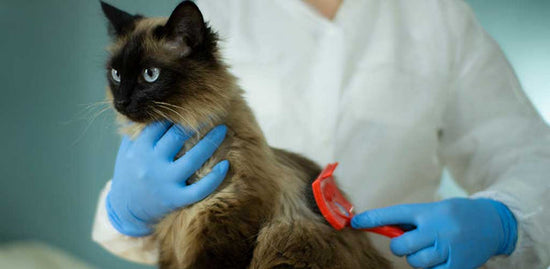
Coat shedding: Extreme shedding during spring and fall (bi-annual "coat blow"); daily brushing required during these periods
Professional grooming frequency: Every 10–14 days is mandatory for rough coats; every 4–6 weeks for smooth coats
Grooming cost: ₹42,000–₹84,000 annually—higher than the dog's purchase price for many Parents
Home grooming difficulty: Requires specialized tools, training, and 2–3 hours per session; professional equipment costs ₹15,000–₹30,000
If you’re considering a home-grooming setup to manage these costs, explore Supertails’ range of professional-grade brushes, dryers, de-shedding tools, and coat-care essentials to build a Chow Chow-friendly grooming kit at home.
Chow Chows are prone to specific genetic health conditions that Indian Parents should understand:
Health Condition |
Frequency |
Description |
Indian Climate Impact |
Hip & Elbow Dysplasia |
8–10% |
Joint developmental disorder causing arthritis, mobility loss by age 5–7 |
Heat stress accelerates joint deterioration; hotter climates increase inflammation |
Eyelid Entropion |
5–7% |
Eyelid rolls inward; hair rubs the cornea, causing pain and ulceration |
Common in Chow Chows; heat exacerbates inflammation; surgical correction needed (₹8,000–₹15,000) |
Elbow Dysplasia |
4–6% |
Less common than hip dysplasia, but still significant in the breed |
Same heat acceleration as hip dysplasia |
Allergies (food & environmental) |
12–15% |
Genetic predisposition to skin allergies, ear infections |
Critical in India: Tropical humidity worsens ear infections; premium grain-limited food mandatory |
Thyroid Dysfunction |
6–8% |
Hypothyroidism (underactive thyroid) causes weight gain, lethargy, skin problems |
Harder to regulate during heat stress; requires twice-yearly bloodwork |
Heat Stroke (breed-specific) |
HIGH RISK |
Chow Chows are among the highest heat-stroke-risk breeds. Thick double coat, low panting efficiency, historical selection for cold climates |
CRITICAL FOR INDIA: Unsuitable for temperatures >35°C during activity. Requires strict activity timing (before 7 AM, after 7 PM only during May-July). Not recommended for open-air living. |
Bloat/Gastric Dilatation-Volvulus (GDV) |
3–5% |
Stomach twist; life-threatening emergency requiring immediate surgery |
Heat stress predisposes to bloat; feed multiple small meals; avoid exercise immediately after eating |
Heat Stroke as a Breed-Specific Crisis: Chow Chows have one of the highest heat stroke mortality rates among domestic dog breeds because:
Thick double coat provides poor thermoregulation — fur traps heat instead of insulating in appropriate climates
Shorter muzzles reduce cooling efficiency — breed shape doesn't optimize panting (unlike long-muzzled sighthounds)
Chinese origin — bred for cold northern climates, not tropical heat
Genetic selection — never selected for heat tolerance; modern cooling infrastructure didn't exist during breed development
This is not a choice or preference—it's a biological fact. A Chow Chow cannot safely exercise outdoors when temperatures exceed 32–35°C, period. This limits outdoor activities to 4–5 months yearly in most of India.
Exercise Requirements:
Daily: 30–45 minutes moderate activity (not strenuous)
Chow Chows are NOT high-energy dogs; they're content with apartment living and short walks
Critical for India: Exercise only during cool hours—before 7 AM or after 7 PM during May-July
Avoid strenuous play, running, or outdoor training during peak heat (11 AM–4 PM)
Training & Socialization:
Require firm, consistent leadership from puppyhood; don't respond to permissive training
Socialization critical: exposure to diverse people, dogs, environments before 16 weeks to prevent aggression/anxiety
Not food-motivated; requires relationship-based motivation and early obedience establishment
Respond best to positive reinforcement combined with structured boundaries
Independent thinkers don't naturally obey commands without established respect for the handler
Behavioral Challenges in Indian Households:
Territorial aggression toward unfamiliar dogs requires separate walking routes, careful dog-park avoidance
Aloofness with family friends — guests often interpret as unfriendliness; requires a patient introduction protocol
Separation anxiety, if socialization is lacking, can develop into destructive behaviors if left alone for long periods
Stubbornness with training — requires experienced handlers; not ideal for first-time dog Parents

No. Chow Chows are NOT suitable for most of India's climate, particularly during the May-July peak heat season. This isn't opinion—it's breed physiology.
Location Type |
Suitability |
Reason |
Specific Recommendations |
Coastal cities (Mumbai, Goa, Chennai) |
Moderate (50–60% suitable) |
2–5°C cooler than inland metros; higher humidity. Peak temps 30–32°C vs. 40–42°C inland |
Possible with dedicated AC, strict activity timing, and daily cooling baths. May-July is still dangerous. |
Mountain/Hill stations (Shimla, Ooty, Manali) |
Good (70–80% suitable) |
Peak temps 20–28°C; year-round cool climate. Outdoor activity possible year-round. |
Ideal for Chow Chows; the breed thrives. Air pollution is lower; heat stress is minimal. |
Inland metros (Delhi NCR, Bangalore) |
Poor to Very Poor (20–30% suitable) |
Peak temps 38–42°C May-July; indoor confinement required. Outdoor living impossible. |
Only suitable if the home has central AC, an outdoor AC-cooled enclosure, and the parent commits to activity timing discipline. Risky even with AC. |
Open-air homes (farms, houses without AC) |
Unsuitable (5% suitable) |
Death-trap environment during peak heat. Heat stroke is near-certain if temperatures exceed 35°C. |
Not recommended. Do not purchase Chow Chow for open-air living. |
Humid tropical regions (Kerala, Assam) |
Unsuitable (10% suitable) |
High humidity reduces panting efficiency (dogs can't cool via evaporation). Year-round heat + moisture = constant heat stress. |
Not recommended; heat stroke risk remains high despite moderate temperatures due to humidity. |
If you own a Chow Chow in an Indian metro, your home must have:
Central or zone-based AC — keeping home at 22–24°C (not just bedroom)
AC-cooled outdoor enclosure (if applicable) — for outdoor time during extreme heat
Elevated cooling beds — allow airflow underneath the dog's body
Daily cooling baths — 5–10 minute lukewarm water baths during May-July (NOT cold/ice water)
Constant fresh water access — with ice chips during heat waves
Veterinary heat-stress monitoring — bloodwork in April, July, and September to track kidney/liver function
Activity time discipline — zero outdoor activity 7 AM–7 PM during May-July
Financial reality: Heat management infrastructure costs ₹18,000–₹35,000 initially, plus ₹500–₹1,000 monthly during peak season. This is mandatory, not optional.
The Kennel Club of India (KCI) is India's primary dog breed registry. KCI registration affects purchase price, breeding eligibility, show participation, and legal protection for buyers.
Benefit |
Unregistered (Pet Quality) |
KCI-Registered |
Breeding rights |
❌ None |
✅ Full breeding rights if both parents registered |
Show eligibility |
❌ Cannot compete |
✅ Can compete in KCI dog shows |
Pedigree documentation |
❌ No pedigree papers |
✅ 3+ generation pedigree with parent registration #s |
Breeder accountability |
❌ Limited; breeder not publicly listed |
✅ Breeder's reputation tracked by KCI |
Health guarantee enforceability |
⚠️ Difficult to enforce without documentation |
✅ Documented health guarantees backed by KCI records |
Resale value |
❌ 40–60% depreciation within 2–3 years |
✅ 20–30% depreciation; easier to sell |
Price premium |
₹45,000–₹65,000 |
#ERROR! |
If your goal is a family companion dog: KCI registration doesn't affect heat tolerance, grooming costs, or health outcomes. It's not a "quality" guarantee—it's a documentation system. Pet quality dogs from reputable breeders are often healthier and better-socialized than registered dogs from backyard breeders.
If your goal is breeding or showing: KCI registration is mandatory. Shows require pedigree documentation; breeding requires both parents to be registered.
Breeder red flags regardless of registration status:
Won't allow you to meet both parents in person
Can't provide health clearance documentation (OFA scores, thyroid panels, eye exams)
Pressures you to buy without a contract or health guarantee
Won't provide ongoing breeder support or return-for-life policy

Bringing home a Chow Chow in India is not as simple as paying a breeder and picking a colour you like. These dogs are prone to serious health, temperament, and heat-tolerance issues if they come from poor breeding or are sold too early. Before you transfer a single rupee, you need a clear checklist of breeder red flags and vet-approved documents to ask for so you don’t end up with a sick, poorly bred puppy and years of avoidable medical bills.
Legitimate Chow Chow breeders in India:
Are listed on the KCI website breeder directory (if KCI-registered)
Allow in-person visits to see parents and the breeding facility
Provide documented health screening (OFA, CERF, thyroid panels) for both parents
Offer written contracts with health guarantees (minimum 30 days, ideally 1–2 years)
Are responsive to post-purchase questions and provide lifetime support
Don't pressure quick decisions or accept cash-only payments
Provide veterinary health certificates from licensed vets
Recommended breeders by city (verified through KCI & parent references, April 2026):
Delhi NCR: Verify the current list on the KCI website
Mumbai: Verify the current list on the KCI website
Bangalore: Verify the current list on the KCI website
Hyderabad: Verify the current list on the KCI website
Questions to ask the breeder:
[ ] "Can I see the puppy's parents and breeding facility in person?"
[ ] "Do you have OFA (hip/elbow) certification for both parents? Can you share documentation?"
[ ] "Has the puppy been screened for eye conditions (CERF certification or eye exam by veterinary ophthalmologist)?"
[ ] "What health guarantee do you provide in writing? For how long?"
[ ] "Will you take the puppy back if behavioral or health issues arise within [X] years?"
[ ] "Do you provide ongoing breeder support for training, health, or behavioral questions?"
[ ] "What health screening have you done? (Thyroid panel, genetic testing if available)"
[ ] "What vaccinations/deworming protocol have you completed? Can I see vet records?"
[ ] "What is your return-for-life policy? Do you charge re-homing fees?"
Puppy health checklist (bring to your vet):
After bringing puppy home, schedule a vet checkup within 3 days to verify:
[ ] Physical exam — clear eyes, clean ears, healthy skin, no signs of infection
[ ] Vaccination verification — confirm core vaccines already given by breeder
[ ] Deworming verification — confirm 3-round deworming protocol completed
[ ] Fecal exam — check for intestinal parasites despite deworming
[ ] Heart exam — listen for murmurs (breed-specific concern)
[ ] Hip/knee exam — gentle range-of-motion check for early dysplasia signs (rare in puppies but worth noting)
[ ] Genetic health baseline — discuss breed-specific health screening timeline with vet
Microchipping & registration:
Microchip inserted within the first week (₹800–₹1,500)
Register with the Indian pet database (HELPLINE, PETFINDER.IN, or KCI if registered dog)
Update your microchip if you move or change your contact information
Chow Chows are stunning, intelligent, loyal dogs—but they're fundamentally mismatched with most of India's climate and lifestyle realities. Honest assessment: 70–80% of India is unsuitable for Chow Chow Parentship. Only hill stations, coastal cities with cooler climates, or homes with dedicated AC infrastructure + parent discipline about activity timing + financial commitment to ₹2–3 lakh first-year costs should pursue this breed.
Before purchasing, honestly answer these questions:
Can I afford ₹1,85,000–₹3,10,000 in first-year costs? (Not just puppy price—total Parentship)
Does my home have central AC that I'll keep at 22–24°C year-round?
Can I commit to activity timing discipline? (Early mornings & late evenings only during May-July)
Am I experienced with dog training and breed independence?
Can I afford ₹42,000–₹84,000 annually for professional grooming?
Do I have veterinary access for heat-stress monitoring?
Am I prepared for potential heat stroke emergencies? (Requires vet access within 5 minutes)
If you answered "no" to more than 2 questions, a Chow Chow is not a suitable choice. Labs, Golden Retrievers, Beagles, or German Shepherds are far more practical for Indian conditions while requiring substantially less specialized care.
If you've answered "yes" to all questions, consult the Kennel Club of India breeder directory to connect with certified breeders, and schedule a consultation with a veterinarian experienced in heat-stress management before making a purchase commitment.
Pet-quality Chow Chow puppies generally cost between ₹25,000 and ₹45,000. KCI-registered puppies with documented lineage fall between ₹55,000 and ₹75,000. Show-quality dogs from champion bloodlines can range from ₹75,000 to over ₹1,20,000.
The main drivers are the puppy's quality tier (pet, KCI, show), the parents' lineage and show titles, KCI registration status, the breeder's reputation, the puppy's age and gender, coat colour rarity, and the seller's location in India. On gender specifically, the male chow chow price in India is typically ₹5,000–₹10,000 higher than female, as males are more sought after for show and breeding purposes.
KCI (Kennel Club of India) registration is an official record confirming that both of the puppy's parents are recognised purebred dogs. It doesn't guarantee perfect health, but it does provide verified lineage — useful if you care about pedigree, plan to breed responsibly, or want to show your dog.
Reputable breeders are your best starting point. Online platforms that vet their breeders and provide health certification documentation are a legitimate option if local breeders are scarce. Avoid classified ads without documentation or breeders who are unwilling to let you see the puppy and its environment. One important note on age: if you're searching for a 1 month chow chow price in India or a 2 month chow chow price in India, be cautious — responsible breeders do not release puppies before 8 weeks.
Expect to budget for quality dog food (₹2,000–₹5,000/month depending on brand and size), professional grooming or grooming supplies, routine vet visits, preventive care like flea and tick treatments, and replacements for toys and accessories. Annual vaccination and deworming add to the yearly total.
Chow Chows are loyal, dignified, and independent. They form strong bonds with their immediate family but tend to be reserved around strangers and may not get along easily with unfamiliar dogs without proper introduction. Early socialisation and consistent, calm training from puppyhood are essential. They're not the right breed for first-time dog owners looking for an endlessly gregarious companion.
Their dense double coat makes them heat-sensitive. In India's climate, especially during summer months, they need access to shade, fresh water, and ideally air-conditioned indoor spaces during peak heat. Cooling mats and dog bowls and feeders with water dispensers help. Outdoor exercise is best kept to early morning or evening.


Accepted formats: JPG, JPEG, or PDF
Upload clear images under 8MB for prescription verification
As per Indian Medical Laws a valid prescription should have the following information
DO'S AND DONT'S
Upload Clear Image
Make sure the picture captures clear and legible handwriting/type. Place the prescription on a flat surface to improve focus and clarity in the image.
No Picture of Medicines
Do not Crop the Image
2 item in cart
₹10,360


