









In 24 cities

German Shepherd Price in India 2026: Complete Guide to GSD Puppy Cost, Monthly Expenses & Buying Tips
|
|
Time to read 19 min
Get product availability and delivery timelines based on your location.
Are you sure you want to delete this address?
100% Authentic

Easy return policy

Help us ensure a smooth delivery
Help us ensure a smooth delivery
SIZE GUIDE
|
|
Time to read 19 min
Dr. Anees Ibrahim, BVSc & AH, PGDip (AUSA), PMDCSA (Cardiology)
This article has been reviewed by Dr. Anees Ibrahim, Senior Veterinarian at Supertails+ whose clinical background spans Evidence-Based Veterinary Medicine, Behavioural Medicine, and Veterinary Cardiology — specialisations that bear directly on the most serious health concerns covered in this guide, from the cardiovascular implications of bloat and GDV in a deep-chested breed, to the long-term joint and mobility consequences of hip dysplasia and degenerative myelopathy in German Shepherds.
If you've been Googling "German Shepherd price in India," you've already discovered that the answer is never a single number. The German Shepherd dog price in India in 2026 ranges from ₹18,000 for a basic pet-quality puppy all the way to ₹1,20,000+ for a KCI-registered, champion-bloodline pup — and that's before you factor in the first year of food, vaccinations, grooming, and training.
The German Shepherd (GSD) is one of the most popular dog breeds in India and for good reason. Intelligent, fiercely loyal, protective, and endlessly trainable, they make outstanding family companions, guard dogs, and working animals. But they are also one of the most demanding breeds to own responsibly. A bored, undertrained, underfed German Shepherd is a different animal entirely.
This Supertails guide covers every cost you need to know before bringing one home — purchase price by quality tier and city, monthly maintenance, first-year budget, coat and colour variants, health risks, and how to find a responsible breeder. No fluff, no sugarcoating.
Prices for German Shepherd dogs vary based on a lot of different factors. We have mentioned them below:
Quality Tier |
Price Range (₹) |
Pet Quality (basic, no papers) |
₹18,000 – ₹28,000 |
Good Breeder Quality (health-tested, vaccinated) |
₹28,000 – ₹45,000 |
KCI Registered (pedigree verified) |
₹40,000 – ₹60,000 |
Show Quality / Champion Bloodline |
₹60,000 – ₹1,00,000 |
Long Coat German Shepherd |
₹45,000 – ₹80,000 |
Working Line GSD (SchH/IPO titles in lineage) |
₹50,000 – ₹1,20,000 |
Imported / Foreign Bloodline |
₹1,00,000 – ₹4,00,000+ |
Adoption (shelter/rescue) |
₹5,000 – ₹15,000 |
Supertails verdict: For most Indian families seeking a loyal companion and guard dog, a good breeder quality puppy in the ₹30,000–₹45,000 range from a responsible, health-testing breeder is the sweet spot. It gets you a healthy, well-socialised pup without overpaying for show-ring credentials you don't need.
Location is one of the biggest price drivers. Metro cities command a 20–35% premium over smaller towns due to higher demand, better-quality breeding stock, and elevated vet and care standards from breeders.
City |
Price Range (₹) |
Delhi / NCR |
₹25,000 – ₹70,000 |
Mumbai |
₹30,000 – ₹75,000 |
Bangalore |
₹28,000 – ₹65,000 |
Hyderabad |
₹22,000 – ₹55,000 |
Chennai |
₹22,000 – ₹55,000 |
Pune |
₹25,000 – ₹60,000 |
Kolkata |
₹20,000 – ₹50,000 |
Lucknow / Kanpur |
₹18,000 – ₹45,000 |
Ahmedabad |
₹20,000 – ₹50,000 |
Tier 2/3 Cities |
₹15,000 – ₹38,000 |
In Delhi, certified breeders often include health certificates, initial vaccination records, and microchipping, which justifies the higher price floor. Mumbai's premium partly reflects the popularity of imported bloodlines and higher operating costs for quality kennels.
This is one of the most common questions prospective buyers ask.
Male German Shepherd puppy price: ₹20,000 – ₹65,000
Female German Shepherd puppy price: ₹18,000 – ₹60,000
The price difference between males and females is generally small (₹2,000–₹5,000), and females may actually cost more if a breeder is selling them for breeding purposes. Beyond price, there are temperament considerations:
Males are typically larger, more territorial, and can be more dominant. They tend to be better suited for guard roles and experienced owners.
Females mature faster, are generally slightly calmer, and are often recommended for first-time GSD owners or families with small children.
Both are equally intelligent and trainable when properly socialised from puppyhood.
Neither is categorically "better" — it depends entirely on your household and what you need from your dog.
Coat colour does not affect a German Shepherd's intelligence, temperament, loyalty, or health — but it does affect the price, because demand and availability vary significantly by colour.
Coat Colour |
Price Range (₹) |
Availability |
Black & Tan (standard) |
₹18,000 – ₹55,000 |
Very common |
Sable (brownish-tan mix) |
₹30,000 – ₹65,000 |
Common |
Bi-Colour |
₹25,000 – ₹60,000 |
Moderate |
Solid Black |
₹30,000 – ₹70,000 |
Less common, higher demand |
White German Shepherd |
₹35,000 – ₹80,000 |
Rare, premium-priced |
Long Coat (any colour) |
₹45,000 – ₹80,000 |
Moderate; heavy grooming required |
Important: The Black & Tan German Shepherd is the most common and generally the most affordable. If you're a first-time GSD owner, standard Black & Tan from a reputable breeder is the wisest choice — you're paying for quality of genetics and health, not coat novelty.
Double coat vs single coat: A double-coat German Shepherd typically costs ₹5,000–₹10,000 more than a single/short coat. Double coats shed significantly more and require more frequent grooming, especially in India's climate — factor this into your decision.

Understanding these factors will protect you from overpaying and from scams.
A responsible, KCI-registered breeder who health-tests parents, provides vaccination records, and raises puppies in a clean, stimulating environment will charge more. This premium is worth it. An irresponsible breeder from a puppy mill will charge less but deliver a puppy with a significantly higher risk of genetic diseases, poor socialisation, and behavioural issues that cost you far more in the long run.
KCI (Kennel Club of India) registration verifies the puppy's lineage. A KCI-registered German Shepherd guarantees the puppy is purebred and comes from documented parentage. Show-quality dogs from champion bloodlines command the highest prices. For a family pet and guard dog, KCI registration is useful but not mandatory — a healthy, well-bred puppy without papers is perfectly fine for most buyers.
This distinction matters and most blogs ignore it. There are two primary GSD bloodlines:
Show Line GSDs have the classic sloping back, exaggerated angulation, and are bred for conformation. They are beautiful but are also more prone to hip and spinal issues.
Working Line GSDs (Czech, West German, Belgian GSDs) have straighter backs, higher drive, more energy, and stronger nerves. They are used by police and military and are generally healthier structurally. Working line GSDs cost ₹50,000–₹1,20,000+ but are a better long-term investment if you want a dog for guarding, sport, or serious work.
Younger puppies (8–12 weeks) command the highest prices because buyers want to bond early and train from scratch. Older puppies (4–6 months) may cost 10–20% less. Adult German Shepherds (1–3 years) from breeders or rehoming situations typically cost ₹10,000–₹35,000 and can be an excellent choice — especially if they are already trained.
Puppies that come with health certificates, OFA-certified hip screenings on parents, and a completed first vaccination schedule (6-in-1/7-in-1) cost more upfront but save you substantially on first-year vet bills and reduce the risk of inheriting genetic problems.
German Shepherds are more expensive in metros due to demand. In smaller towns, you may find lower prices but also fewer quality breeders and lower standards of early socialisation.
Never buy a German Shepherd from:
Any listing claiming a "purebred German Shepherd puppy for ₹5,000 or ₹8,000" — these are either puppy mills, inbred stock, or outright scams.
Breeders who refuse a kennel visit or a live video call showing the puppy with its mother.
Pet shops and classified ads (OLX, Quikr) without verifiable breeder credentials — the risk of fraud and receiving a sick or mixed-breed puppy is very high.
Anyone who cannot provide vaccination records, deworming certificates, or health documentation.
A legitimate German Shepherd from a responsible Indian breeder will not cost less than ₹20,000. If you're seeing prices below that for "purebred" puppies, walk away.

This is where most first-time owners are blindsided. The purchase price is often the smallest part of the financial commitment.
German Shepherds are large, high-energy working dogs. They cannot thrive on cheap, grain-heavy budget foods. Their musculature, coat, and joint health all depend on quality protein.
Diet Type |
Monthly Cost (₹) |
Budget kibble (Pedigree, Drools) |
₹2,500 – ₹4,000 |
Premium kibble (Royal Canin GSD, Farmina N&D) |
₹5,000 – ₹8,000 |
Home-cooked (chicken, eggs, rice, vegetables) |
₹3,000 – ₹5,000 |
Raw / BARF diet |
₹4,000 – ₹7,000 |
Royal Canin German Shepherd Adult is the most commonly recommended breed-specific food for adult GSDs in India — it's formulated specifically for their joint health, coat condition, and digestive sensitivity. For puppies, Royal Canin German Shepherd Puppy is the gold standard. Explore the full range of German Shepherd food on Supertails.
Care Item |
Frequency |
Approx. Cost (₹) |
Routine vet consultation |
As needed |
₹500 – ₹1,200/visit |
Annual vaccinations (7-in-1 + rabies) |
Yearly |
₹1,500 – ₹3,500/year |
Deworming |
Every 3 months |
₹300 – ₹600/quarter |
Anti-flea & tick treatment |
Monthly |
₹300 – ₹800/month |
Dental cleaning (professional) |
Once or twice yearly |
₹1,500 – ₹4,000 |
Hip/elbow screening (OFA) |
Recommended at 2 years |
₹4,000 – ₹8,000 one-time |
Pet insurance |
Monthly premium |
₹500 – ₹1,500/month |
Annual healthcare costs for a healthy adult GSD run ₹8,000–₹18,000. Budget separately for emergencies — hip dysplasia surgery alone can cost ₹40,000–₹80,000.
Browse dog health & wellness and medicines & supplements on Supertails for ongoing care essentials.
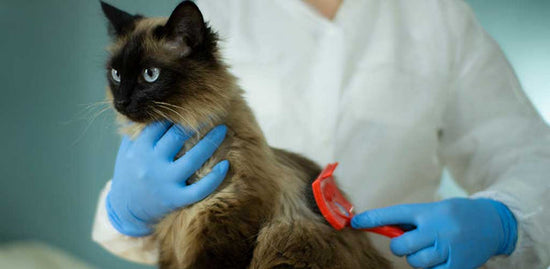
German Shepherds have a dense double coat that sheds year-round with two heavy "blowout" seasons. Regular grooming is non-negotiable — both for coat health and to keep your home from being buried in dog hair.
Grooming Need |
Frequency |
Cost (₹) |
At-home brushing |
3–4× per week |
₹0 (your time) |
Professional grooming session |
Monthly |
₹800 – ₹2,500 |
De-shedding treatment |
Every 4–6 weeks in shedding season |
₹1,200 – ₹3,000 |
Nail trimming |
Monthly |
₹100 – ₹300 |
Ear cleaning |
Every 2 weeks |
₹0 (DIY) or ₹200–₹400 (professional) |
Invest in a quality deshedding brush and an undercoat rake — it will save you thousands in professional grooming over a GSD's lifetime. Explore dog grooming supplies on Supertails.
If you would rather get your German Shepherd a professional grooming service, then get a Grooming Appointment at a Supertails+ Clinic. We have some of the best professionals and the best facilities to ensure that your pet gets the best care that they deserve.

This is the cost most first-time owners underestimate — and the most important one to get right. A German Shepherd that is not properly trained is a liability. An undertrained GSD will be destructive, reactive around strangers, and potentially dangerous.
Training Type |
Duration |
Cost (₹) |
Basic obedience (sit, stay, heel, recall) |
4–8 weeks |
₹5,000 – ₹15,000 |
Advanced obedience + socialisation |
3–6 months |
₹15,000 – ₹30,000 |
Home boarding + training |
1 month |
₹15,000 – ₹25,000 |
Guard/protection training |
6–12 months |
₹25,000 – ₹60,000 |
Professional training is highly recommended — not optional — for German Shepherds. Supplement professional training with daily at-home practice using dog training treats. GSDs are food-motivated and respond exceptionally well to positive reinforcement.
This is the number that matters most for financial planning.
Expense |
One-Time / Recurring |
Estimated Cost (₹) |
Puppy purchase (good breeder) |
One-time |
₹30,000 – ₹50,000 |
Initial vet visit + health check |
One-time |
₹800 – ₹1,500 |
Vaccination completion (puppy series) |
One-time first year |
₹2,500 – ₹5,000 |
Spay/neuter (if applicable) |
One-time |
₹5,000 – ₹12,000 |
Deworming (4 rounds) |
First year |
₹1,200 – ₹2,400 |
Food (12 months) |
Recurring |
₹36,000 – ₹84,000 |
Professional training |
One-time/recurring |
₹10,000 – ₹30,000 |
Grooming (12 months) |
Recurring |
₹9,600 – ₹24,000 |
Accessories (collar, leash, crate, bed, bowls, toys) |
One-time + ongoing |
₹8,000 – ₹20,000 |
Anti-flea/tick prevention (12 months) |
Recurring |
₹3,600 – ₹9,600 |
Total First-Year Estimate |
₹1,00,000 – ₹2,40,000 |
The realistic takeaway: Plan for ₹1.5 lakh minimum in your first year. Ongoing annual costs from year 2 onwards typically run ₹60,000–₹1,20,000 depending on food quality, vet needs, and whether you continue professional training.
Before your puppy arrives, have these ready:
Collar & leash: A well-fitting collar and a 6-foot leash are the first things you need. GSDs pull strongly — consider a no-pull harness from the start.
Crate: A large-sized crate (42–48 inches) for crate training. Critical for housebreaking and providing a safe space.
Dog bed: GSDs are large dogs with joint vulnerability — a quality, supportive dog bed is a worthwhile investment.
Food and water bowls: Stainless steel, heavy-based bowls that won't tip. GSDs can develop bloat — avoid elevated feeders.
Toys: GSDs need significant mental stimulation. Rotate between interactive puzzle toys, chew toys, and fetch toys to prevent boredom-driven destruction.
Grooming tools: A slicker brush, undercoat rake, and nail clippers.
Browse German Shepherd toys curated specifically for the breed on Supertails.

German Shepherds are prone to several breed-specific health conditions. Knowing these in advance helps you budget and choose a puppy from health-tested parents.
The most significant health risk in the breed, particularly in show-line GSDs with exaggerated sloping backs. Hip dysplasia is a malformation of the hip joint that causes progressive arthritis and lameness. Treatment cost in India: ₹40,000–₹80,000 per hip for surgery; ongoing joint supplements ₹500–₹1,500/month for life. Prevention: buy only from breeders who OFA/PennHIP test their breeding dogs. Consider joint care supplements from early adulthood.
A progressive neurological disease affecting the spinal cord, leading to paralysis in the hindquarters. It typically appears after age 7. There is no cure, only management. DNA testing for the DM gene is available and responsible breeders test for it.
A life-threatening emergency where the stomach twists and fills with gas. GSDs are a high-risk breed. Emergency surgery cost: ₹40,000–₹1,00,000. Prevention: feed two smaller meals daily rather than one large meal, avoid vigorous exercise immediately before or after eating, and never use elevated feeders (contrary to older advice, elevated feeders actually increase bloat risk in large breeds).
German Shepherds have notoriously sensitive digestive systems and are prone to food and environmental allergies. Symptoms include chronic ear infections, skin redness, paw licking, and loose stools. A high-quality, grain-limited or grain-free diet significantly reduces incidence. Skin and coat supplements containing Omega-3 and Omega-6 fatty acids are beneficial.
GSDs' upright ears allow good airflow but they're still prone to infections, especially in India's humid climate. Check and clean ears biweekly.
If you wish to consult with a professional vet on the issues that your German Shepherd is dealing with, then visit a Supertails+ Clinic near you. Our vets are ready and willing to ensure that your pet is the best possible health – and to ensure that your remain as anxiety free as possible!

India's climate places specific demands on a GSD's diet. The heat, humidity, and the prevalence of grain-heavy budget foods are the three biggest nutritional challenges.
For puppies (8 weeks – 12 months): Feed a large-breed puppy formula specifically. GSDs grow rapidly and incorrect calcium-to-phosphorus ratios during growth cause permanent joint damage. Feed 3–4 small meals daily until 4 months, then 2–3 meals.
For adults (1–7 years): High-protein (minimum 25–30%), meat-first diet. Feed twice daily. Royal Canin German Shepherd Adult is bred specifically for the GSD's digestive sensitivity, coat health, and hip support. Farmina N&D, Acana, and Orijen are excellent grain-free alternatives for dogs with allergies.
For seniors (7+ years): Switch to a senior formula with reduced phosphorus (for kidney health), increased joint support (glucosamine, chondroitin), and moderate protein. Consult your vet about the timing of this transition.
Home-cooked diet: Boiled chicken, rice, eggs, sweet potato, and vegetables is a viable option and can reduce monthly food costs. However, it requires careful planning to avoid nutritional deficiencies. Add a quality multivitamin supplement if feeding home-cooked.
Foods to strictly avoid: Onions, garlic, grapes, raisins, chocolate, xylitol (found in sugar-free products), cooked bones (splinter and puncture intestines), raw pork, and excessive salt.

Before committing to the cost, confirm this breed is genuinely compatible with your life.
German Shepherds thrive with:
Experienced or committed first-time owners who will invest in training
Active households — minimum 1–2 hours of exercise daily
Families where someone is home for a significant portion of the day
Owners with space — ideally a house with a garden; manageable in a large apartment with sufficient exercise
Families with children if properly socialised from puppyhood
German Shepherds are NOT a good fit for:
Owners working 10+ hours daily with no support (dog walker, family member, daycare) — a bored GSD will destroy your home
First-time dog owners unwilling to invest in professional training
People who want a low-maintenance, easygoing dog
Apartment dwellers without commitment to daily exercise
Key traits to understand:
Intelligence: GSDs rank 3rd in canine intelligence globally. They learn commands in fewer than 5 repetitions and obey on the first command 95% of the time. This is a double-edged sword — they learn bad habits just as fast as good ones.
Shedding: They shed year-round and heavily twice a year. If you or a family member has allergies, reconsider.
Loyalty/Bonding: GSDs form exceptionally deep bonds with their family but can be aloof or protective around strangers — which is the source of both their value as guard dogs and the need for thorough early socialisation.
Lifespan: 9–13 years, with working line GSDs often living slightly longer than show lines.
This is where most buyers make expensive mistakes. Here's how to identify a responsible breeder versus a puppy mill or irresponsible backyard breeder.
What a responsible breeder will always do:
Welcome a kennel visit — you see the puppies with the mother in a clean, stimulating environment
Provide vaccination records, deworming records, and a health certificate
Health-test breeding parents for hip dysplasia (OFA/PennHIP) and DM gene
Interview you about your lifestyle before selling to you
Be registered with the Kennel Club of India (KCI) or equivalent
Offer post-sale support and take the puppy back if you cannot keep it
What a puppy mill or irresponsible breeder will typically do:
Refuse a kennel visit ("we'll deliver to you")
Have multiple litters available at once
Cannot provide vaccination records or health certifications
Offer extremely low prices
Pressure you to decide quickly
Where to look: KCI-registered breeder directories, breed-specific clubs, reputable dog shows, and recommendations from trusted vets.
India has a significant number of German Shepherds in shelters and rescues — many surrendered because owners underestimated the breed's needs. Adoption fees range from ₹5,000–₹15,000, far below the purchase price of a puppy.
Advantages of adopting:
Lower upfront cost
Many adult GSDs come vaccinated, dewormed, and with some training
You know the dog's actual temperament (no puppy behaviour surprises)
You give a dog a second chance at a loving home
Considerations:
Unknown early history may mean some behavioural work is needed
Puppies are rarely available through shelters
Organisations like Friendicoes, PETA India, and various city-based GSD rescues are good starting points. Consult a Supertails vet if you adopt a GSD with unknown history — an initial behavioural and health assessment helps you understand what you're working with.
Breed |
Puppy Price (₹) |
Monthly Cost (₹) |
Trainability |
Shedding |
German Shepherd |
₹18,000 – ₹1,00,000 |
₹6,000 – ₹12,000 |
Very High |
Very Heavy |
Labrador Retriever |
₹15,000 – ₹50,000 |
₹5,000 – ₹9,000 |
Very High |
Moderate |
Rottweiler |
₹20,000 – ₹80,000 |
₹7,000 – ₹14,000 |
High |
Low |
Doberman |
₹15,000 – ₹60,000 |
₹5,500 – ₹10,000 |
Very High |
Very Low |
Belgian Malinois |
₹40,000 – ₹1,20,000 |
₹6,000 – ₹11,000 |
Extremely High |
Moderate |
If you want a guard dog with slightly lower grooming demands, a Doberman is worth considering. If you want a breed similar in intelligence and working ability to a GSD but with a shorter coat, the Belgian Malinois is increasingly popular — though it requires even more exercise and stimulation.
This is a genuinely important consideration that most blogs gloss over. German Shepherds were bred in the temperate German climate. India's heat and humidity — especially in coastal cities and during summer months — can be hard on the breed.
Short coat vs long coat in India's climate: A short or medium double-coat GSD is significantly better suited to the Indian climate than a long-coat GSD. Long coats look beautiful but retain heat, require intensive grooming, and are uncomfortable in temperatures above 30°C.
Managing GSDs in Indian summers:
Exercise during early morning (before 7 AM) and evening (after 7 PM) — never in afternoon heat
Ensure access to shade and fresh water at all times
Never leave them outdoors unattended in peak summer
Use a cooling mat and consider a cooling bandana for extreme heat
Monitor for heatstroke signs: excessive panting, drooling, disorientation, vomiting
GSDs adapt well to Indian conditions with appropriate management. Thousands of healthy, happy GSDs live across India including in Chennai and Mumbai. The key is not to force outdoor activity during the hottest hours and to ensure proper hydration and shade.

A German Shepherd is not cheap to own responsibly. Budget a minimum of ₹1.5 lakh for the first year and ₹60,000–₹1,20,000 annually thereafter. But for the right owner — one who invests in training, nutrition, healthcare, and daily exercise — a German Shepherd is one of the most rewarding dogs you can own. The loyalty, intelligence, and presence of a well-raised GSD is genuinely unlike most other breeds.
The key decisions that determine whether your GSD experience is wonderful or miserable:
Buy from a responsible breeder (or adopt)
Invest in professional training — non-negotiable
Feed quality food appropriate for the breed's needs
Exercise daily — 1–2 hours minimum
Schedule annual vet check-ups and stay ahead of breed-specific health risks
While the initial purchase price of a German Shepherd in India ranges from ₹18,000 to ₹1,20,000, owning this breed is a long-term commitment to specialized nutrition, consistent training, and proactive healthcare. In the Indian climate, the success of raising a healthy GSD hinges on a multimodal care approach—pairing high-quality, breed-specific food like Royal Canin German Shepherd Adult with strict heat management and routine grooming. By investing in health-tested lineages and professional training from day one, you move beyond the initial cost to build a sustainable, protective bond that respects the unique biological and psychological needs of the breed. Ultimately, the financial investment is significant, but for a dedicated owner, the return is a thriving, fiercely loyal companion that serves as an integral part of the family.
A German Shepherd puppy price in India ranges from ₹18,000 for a basic pet-quality puppy to ₹1,00,000+ for a KCI-registered, champion-bloodline pup. The most common price range for a good quality puppy from a responsible breeder is ₹30,000–₹50,000.
No. Any listing claiming a purebred German Shepherd for under ₹15,000 is either a scam, a highly inbred/unhealthy puppy from a puppy mill, or a mixed breed. A healthy, purebred GSD from a responsible source costs at minimum ₹18,000–₹20,000.
Solid black German Shepherds are relatively rare. Expect to pay ₹30,000–₹70,000 for a black GSD, compared to ₹18,000–₹55,000 for the standard black-and-tan.
White German Shepherds are rare and in high demand. Prices typically range from ₹35,000–₹80,000. Note that white GSDs are not albino — they carry a specific recessive gene. Temperamentally and health-wise they are the same as other colour variants.
Between ₹6,000 and ₹12,000 per month for a healthy adult GSD, covering food, healthcare, grooming, and flea/tick prevention. Add ₹3,000–₹6,000/month during training periods.
GSDs can work for first-time owners who are committed to professional training and providing adequate exercise and mental stimulation. They are not recommended for people who want a low-effort companion. If you're a first-time owner, seriously consider hiring a professional trainer from day one.
9–13 years on average. Working line GSDs, with their structurally healthier conformation, tend to live slightly longer than show line GSDs. Proper diet, exercise, annual vet check-ups, and dental care can push a GSD toward the higher end of that range.
Yes, but with conditions. They need a minimum of 1–2 hours of vigorous exercise daily, and they need mental stimulation to avoid destructive behaviour. A large apartment with access to a park or open ground nearby is workable. A small flat with an owner who works 10 hours a day and doesn't exercise the dog is not.
For most Indian families wanting a loyal family companion and guard dog: working line. Working line GSDs are structurally healthier, have straighter backs (lower hip dysplasia risk), and more stable temperaments. Show line GSDs are bred for appearance and often have more exaggerated angulation that leads to joint problems. The show-line "sloped back" look is technically a breed fault that has been exaggerated over decades of confirmation shows.


Accepted formats: JPG, JPEG, or PDF
Upload clear images under 8MB for prescription verification
As per Indian Medical Laws a valid prescription should have the following information
DO'S AND DONT'S
Upload Clear Image
Make sure the picture captures clear and legible handwriting/type. Place the prescription on a flat surface to improve focus and clarity in the image.
No Picture of Medicines
Do not Crop the Image
2 item in cart
₹10,360


