









In 24 cities

Pet Care Checklist for Bangalore: Summer Survival Guide
|
|
Time to read 7 min
Get product availability and delivery timelines based on your location.
Are you sure you want to delete this address?
100% Authentic

Easy return policy

Help us ensure a smooth delivery
Help us ensure a smooth delivery
SIZE GUIDE
|
|
Time to read 7 min
Bangalore's weather is really confusing, even for me, and I've been treating pets here for years.
One week, it's 38 degrees, and I'm seeing heat exhaustion cases back to back. Three weeks later, the monsoon hits and suddenly it's all skin infections and ear issues. Then December rolls around and everyone's surprised their dog caught a cold. Every single year, the same pattern.
The thing is, Bangalore doesn't really do seasons the way the rest of India does. It just... shifts. Sometimes mid-week. And your pet's body is reacting to every single shift, even when you can't see it yet.
This guide is basically what I tell every pet parent who walks into my clinic around season-change time, what to watch for, what to do, and, honestly, what most people miss until it's already become a problem. I've broken it down season by season so you can actually use it, not just read it.
TL;DR: Bangalore's three distinct seasons:
Scorching summers (March-May),
Wet monsoons (June-September), and
Mild winters (November-February)
Each of them requires different pet care strategies. From keeping your pet hydrated during summer heat, monitoring for waterborne diseases in monsoon, to adjusting outdoor activity during temperature swings, follow this detailed guide.
Use our checklist to prepare your dog or cat for each season.
A study by the Indian Meteorological Department found that Bangalore experiences temperature variations of up to 15°C between seasons, making seasonal pet care critical. The city's unique elevation (3,000 feet above sea level) creates humidity patterns that differ from coastal regions, affecting everything from parasite prevalence to heat-related illness risks.
The three seasons demand different protective measures:
Summer (March-May): Temperatures reach 35°C (95°F), with humidity exceeding 60%. Dehydration and heat stroke are the primary risks.
Monsoon (June-September): Rainfall averages 900mm across four months, creating damp conditions that breed fungal infections and increased parasite activity like ticks and fleas.
Winter (November-February): Temperatures drop to 15-20°C (59-68°F), though January can bring unexpected cold snaps to 10°C. Respiratory issues and joint stiffness become concerns.
Understanding these patterns helps you prevent seasonal health crises before they develop. Know more about “Perfect Seasonal Dog Care in India.”
Bonus Read: What are the Secrets to Perfect Seasonal Dog Care in India?
Summer in Bangalore can be harsh on pets, especially from March to May when temperatures and humidity spike. This quick checklist will help you keep your dog or cat cool, hydrated, and safe from heatstroke, ticks, and other warm‑weather risks.
Summer is Bangalore's deadliest season for pets. According to the Bangalore Dog Welfare Trust, heat-related emergencies increase 250% during April and May. Dehydration leads to organ damage, and heat stroke can be fatal within hours.
Action items:
Place water bowls in at least three locations throughout your home
Refresh water bowls every 2-3 hours during peak heat (11 AM-4 PM)
Add electrolyte supplements (coconut water or pet electrolyte mixes) twice weekly
Use stainless steel or ceramic bowls (avoid plastic bowls and feeders)
Freeze water bowls at night so ice water is available during the day
Monitor urine colour: clear/pale is ideal; dark yellow indicates dehydration
Increase water intake by 30-50% during the summer months
Explore Supertails Essentials:
Dogs need exercise, but summer heat can turn a 20-minute walk into a risky situation. Your dog's paw pads can reach 60°C (140°F) on pavement, causing burns and pain that discourage exercise for weeks.
How to take care:
Walk dogs during early morning (5-6:30 AM) or late evening (6:30-8 PM) only
Consider lightweight dog shoes or booties for very hot days to protect sensitive paw pads from burns and make walks more comfortable and safe.
Avoid midday walks entirely; even shaded pavements and footpaths get heated up
Check pavement temperature with your palm before walking. If you can't hold your hand on the surface for 5 seconds, it's too hot for paw pads
Shorten walk duration by 40-50% compared to winter walks
Consider indoor play during the hottest hours
Apply natural paw balm before walks; wash feet immediately after walks
Use reflective vests during early morning walks to improve visibility
Provide shaded rest stops every 100 meters on walks
Browse Walking Essentials:
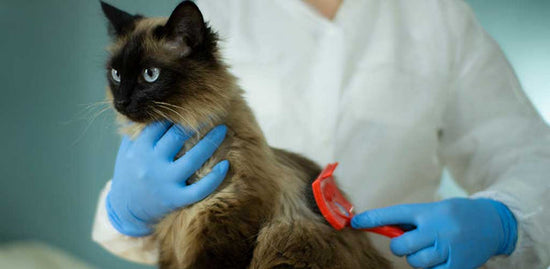
A common misconception: shaving your dog provides relief. In reality, a dog's double coat insulates against heat; shaving increases heat absorption and sunburn risk. Instead, proper grooming maintains cooling while protecting skin. For a professional once-over, you can also book a grooming session at a nearby Supertails Clinic in Bangalore to keep their coat summer‑ready without risking skin damage.
In my years of experience, so many pet parents come in asking to shave their medium‑ to long‑fur dogs to “help them feel cooler.” What they often don’t realise is that a dog’s double coat actually insulates against heat, and shaving can increase heat absorption, cause sunburn, and even lead to long‑term coat damage and patchy regrowth. It can also make some dogs more uncomfortable because they lose their natural protection against both heat and minor skin irritants.
While shaving is not recommended for double‑coated breeds, pet parents can absolutely keep their dogs comfortable by grooming them at regular intervals - brushing out the loose undercoat, keeping the coat clean and tangle‑free, and scheduling periodic professional grooming to maintain hygiene and healthy skin.
How to take care:
Increase bathing frequency to 2-3 times weekly (use cool, not cold water)
Use a slicker brush weekly to remove loose undercoat. It will prevent 90% of shedding, and will help detangle fur without scratching the skin
Never shave a double-coated breed (Labradors, Golden Retrievers, German Shepherds); trim lightly instead
Trim body hair for short-coated breeds by 1-2 cm for appearance only
Instead of trimming at home, schedule regular grooming sessions for short‑coated breeds so a professional can tidy their coat safely and as per your vet’s advice.
Keep nail length short (overgrown nails affect paw pad contact with cool ground)
Brush teeth before bathing to remove tartar buildup that traps heat
Worth Reading: Supertails+: Your One-Stop Pet Clinic, Pharmacy & Store
Supertails Grooming Essentials:
Heat stroke is the #1 summer pet emergency in Bangalore. Early recognition prevents health risks. According to veterinary research, body temperature above 40.5°C (105°F) causes organ damage within 30 minutes.
Warning signs to look out for:
Excessive panting or drooling
Weakness, collapse, or disorientation
Red/pale gums and tongue
Vomiting or diarrhea
Seizures (emergency)
Immediate first aid:
Move the pet to a cool, shaded area immediately
Soak your dog with cool (not freezing) water for 15 minutes
Place cool, wet towels on neck, underarms, and inner thighs (major blood vessels)
Use a fan to increase evaporative cooling
Offer small sips of water (not gulps, which cause vomiting)
Call your vet immediately, as internal damage requires professional assessment
NOTE: Never use ice; it constricts blood vessels and worsens internal temperature regulation
Pets eat less during the heat, which is normal. However, nutritional deficiencies during this period can weaken immunity for the remainder of the year.
Action items:
Reduce meal portions by 10-15%, but maintain meal frequency (3 meals for puppies, 2 for adults)
Feed during the coolest times: early morning and late evening only
Switch to lightly cooled food (refrigerate for 30 minutes before serving)
Add cooling foods: watermelon (seedless, 10% of meal), cucumber, or green beans
Ensure diet remains 25-30% protein to maintain muscle during reduced intake
Never fast your pet; constant availability of food maintains nutrition
NOTE: Track weight weekly; a significant drop suggests heat stress or illness
Don’t miss reading on “Is It Normal For Dogs To Eat Less Food In The Summer? Here’s What You Need To Know”
Summer temperatures accelerate parasite reproduction. Fleas complete their lifecycle 50% faster at 30°C (86°F) than in cooler months. Ticks are active across all three seasons in Bangalore, with the highest populations during and immediately after the monsoon.
Action items:
Apply flea and tick prevention monthly year-round (don't skip summer)
Use vet-approved preventive care (oral or topical) rather than over-the-counter products
Check for ticks every evening after outdoor walk, especially around ears, neck, and underarms
Use tweezers to remove ticks (pull straight, don't twist), then wash with soap
Vacuum the home twice weekly, including under furniture and bedding
Wash bedding weekly in hot water to kill flea eggs(if any)
Treat all pets in the household simultaneously, even if only one shows infestation
Vet Approved Tick and Flea Meds:
As someone who’s been treating pets in Bangalore for years, I can tell you this city’s weather will keep you on your toes – and your pet’s body feels every single shift, even when you don’t. If you remember just one thing from this guide, let it be this: don’t wait for problems to show up. Use these seasonal checklists to stay a step ahead on hydration, grooming, parasite control, walks, and food, and you’ll prevent 90% of the issues I see in my clinic every year. And if you’re ever unsure, that’s exactly what we’re here for – reach out to your vet or a Supertails Clinic early, so small seasonal changes never get the chance to turn into big health scares for your pet.






2 item in cart
₹10,360


