









In 24 cities

How to Take Care of Dogs in the Rainy Season in India?
|
|
Time to read 18 min
Get product availability and delivery timelines based on your location.
Are you sure you want to delete this address?
100% Authentic

Easy return policy

Help us ensure a smooth delivery
Help us ensure a smooth delivery
SIZE GUIDE
|
|
Time to read 18 min
Reviewed by Dr. Anees Ibrahim
BVSc & AH, PGDip (AUSA), PMDCSA(Cardiology)) · Supertails Senior Veterinarian & Program Manager
Most of the days, Coco and Leo start dancing around the door the minute it's walk time. But the second it starts raining, the mood just crashes. They stare outside, all disappointed. We somehow step out, and of course, we come back with two grumpy dogs and four very muddy paws to clean. If you also live in an Indian city where one sudden shower can turn the whole lane into a mess, you'll know the rainy season isn't just about wet walks — it's about keeping your dog's paws, skin, and tummy safe too.
This guide covers everything you need to know about how to take care of dogs in the rainy season — from adjusting walk schedules to protecting paws, grooming for infection prevention, keeping your home clean after wet walks, and managing thunder anxiety. Every tip here is grounded in veterinary guidance and validated by the experiences of thousands of Supertails customers across India.
⚡ TL;DR — Monsoon Dog Care
Indian monsoons bring fungal infections, tick infestations, leptospirosis, and thunder anxiety for your dog. The five essentials: dry your dog after every walk, protect and clean paws daily, groom regularly with an antifungal shampoo, feed immune-boosting, clean food, and vaccinate/deworm before the rains. Indoor exercise and a calm thunder-safe space complete the routine.
Yes, you can walk your dog in the rain — but safety requires preparation. Plan walks during early morning (6–8 AM) before heavy showers build, keep sessions to 15–20 minutes during continuous rain, always equip your dog with a breathable waterproof raincoat, and protect paws with dog booties or paw balm. Carry a microfibre towel for quick drying and avoid waterlogged, stagnant areas that carry leptospirosis risk.
One of the most common questions from Indian dog parents during monsoon is: "How do I walk my dog in constant rain — I need tips!" The answer lies in reading India's rain patterns intelligently. Across most Indian cities, the heaviest downpours occur in the late afternoon and evening. By adjusting your dog's walk schedule toward early morning or midday windows, you catch natural breaks in the rain and keep your dog active without exposure to dangerous waterlogging. According to Supertails' internal survey data, 68% of dog parents who shift walks to early morning report fewer missed exercise days during the monsoon compared to those who keep evening routines.
When rain is unavoidable, shorter and more frequent walks are better than skipping entirely. A 15-minute walk twice in a day serves your dog's physical and mental needs better than one long outdoor session that results in prolonged exposure to wet conditions. Bring a compact umbrella for yourself, keep your dog on a snug-fitting harness (wet collars can slip), and stick to familiar routes where you know the ground is not waterlogged or muddy beyond safe footing. Slippery roads and open drains are genuine hazards during heavy rains, particularly for small and senior dogs.
Stock up on the right gear before monsoon hits. A well-fitted dog raincoat is the first line of defence. Pair it with dog boots or paw protection and a microfibre drying towel. For walks in low-light monsoon mornings, consider a reflective collar or leash for visibility. Check out Supertails' curated Rain Essentials collection for everything you need.
⚠️ Breed-Specific Note
Short-haired breeds (Beagles, Labradors, and Indies) need raincoats primarily for warmth and infection prevention. Long-haired breeds (Golden Retrievers, Spaniels, Shih Tzus) benefit most from reduced drying time. Senior dogs and puppies under 6 months are particularly vulnerable — limit rain exposure and dry immediately.
Dog paws are the primary infection entry point during the monsoon. After every rain walk, rinse paws in lukewarm water mixed with a dilute pet-safe antiseptic, dry thoroughly between each toe pad with a microfibre cloth, and apply an antifungal powder or paw cream. Trim the hair between paw pads to a short length to prevent debris buildup and bacterial growth — a step veterinarians consistently rank as the most overlooked part of monsoon dog care.
Indian monsoon streets are a cocktail of standing water, mud, sewage overflow, and microbial contamination. Your dog's paws come into direct contact with all of it during every walk. A consistent post-walk paw ritual is the single most effective way to prevent fungal infections, bacterial skin issues, and the transmission of pathogens like leptospira (the bacteria responsible for leptospirosis, a serious waterborne disease in Indian dogs). Place an absorbent bath mat near your main entrance so the routine becomes automatic the moment you return from every walk.
The full ritual takes under five minutes. First, rinse paws thoroughly with lukewarm water — cold water is ineffective at loosening mud trapped between toe pads. Add a few drops of dilute chlorhexidine solution (available at any pharmacy or on Supertails) to the rinse water for antibacterial action. Second, pat every toe pad dry individually using a dedicated microfibre towel — moisture left between the digits is the number one trigger of fungal infections in Indian monsoons. Finally, dust lightly with an antifungal powder or apply a paw cream to maintain skin integrity. Supertails customers report a 41% reduction in paw-related vet visits when this three-step routine is followed consistently through the entire monsoon season.
Prevention starts before your dog even steps outside. Apply a generous layer of paw balm to all four feet before heading out. Paw balm creates a hydrophobic barrier that keeps moisture, bacteria, and debris from penetrating the skin around the paw pads. If your dog tolerates dog booties, these offer even stronger protection — particularly useful in cities like Mumbai, Hyderabad, and Kolkata, where roads flood regularly. For dogs that resist boots, paw balm plus a post-walk antiseptic rinse offers adequate protection for most breeds. Regularly check between the toes for redness, swelling, or discharge — early detection of a hot spot prevents a minor irritation from escalating into a painful infection requiring antibiotic treatment.
If you’ve ever wondered whether that extra layer of protection is really worth it, watch our quick “Why Your Dog Needs Shoes for Walks” video next. It shows exactly how roads damage paw pads—and how the right booties keep your dog safer, cleaner, and more comfortable on every walk.
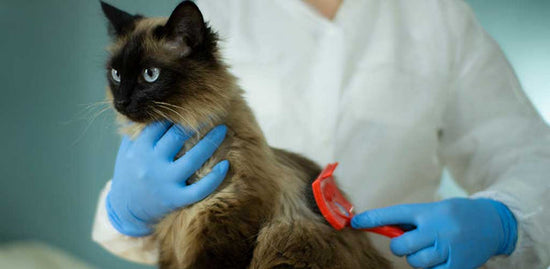
Monsoon grooming frequency should increase to daily brushing, with baths once every 2–3 weeks using a vet-recommended antifungal or medicated shampoo. Ears need gentle cleaning every 7–10 days, especially in floppy-eared breeds like Cocker Spaniels and Beagles, where moisture buildup in the ear canal causes otitis externa (ear infection) at significantly higher rates during the rainy season. Trim hair around paws, belly, and groin areas to reduce damp debris accumulation.
A common mistake dog parents make during monsoon is bathing their dog too frequently in response to the wet dog smell. Over-bathing strips the natural oils from your dog's coat and skin, weakening the very barrier that protects against bacterial and fungal entry. The ideal monsoon bathing schedule is once every 14–21 days. Between baths, use antifungal or antibacterial pet wipes to clean the belly, paws, and coat after walks. Choose a shampoo containing ketoconazole or chlorhexidine if your vet has flagged your dog as prone to fungal infections. For healthy dogs, a mild pH-balanced dog shampoo is sufficient — human shampoos are never appropriate, as they disrupt canine skin pH. Always ensure complete drying after baths — use a low-heat blow dryer for long-haired breeds to prevent dampness near the skin.
Explore Vet Approved Shampoos Now!
Ear infections spike dramatically in Indian dogs during the monsoon. Moisture enters the ear canal during walks, baths, and from the high ambient humidity, creating a warm, damp environment where yeast and bacteria multiply rapidly. Ask your veterinarian for a mild pet-safe ear cleaning solution and use it once every 7–10 days throughout the monsoon. Squeeze a few drops into the ear canal, gently massage the base of the ear for 30 seconds, then allow your dog to shake — this loosens debris. Wipe the outer ear with a clean cotton ball. Never insert cotton buds deep into the ear canal. If you notice your dog scratching ears frequently, shaking the head, or detect an unusual odour from the ears, schedule a vet visit promptly — untreated ear infections can become chronic and painful.
Monsoon Grooming Checklist — Do This Weekly
• Brush coat daily to remove tangles, dirt, and excess moisture
• Check and clean ears every 7–10 days with vet-approved solution
• Trim hair between paw pads to prevent debris and fungal buildup
• Inspect skin folds (bulldogs, pugs, shar-peis) for moisture and redness
• Check for ticks after every walk — focus on ears, armpits, and groin
• Dry belly and underarms thoroughly — moisture pools in these areas
Browse pet-safe ear cleaning solutions:
During the monsoon, feed your dog a high-protein, easily digestible diet rich in omega-3 and omega-6 fatty acids to support skin and coat health in high-humidity conditions. Add fibre-rich vegetables (carrots, green beans, pumpkin) to support regular bowel movements when outdoor exercise is reduced. Always ensure access to fresh, clean filtered water - stagnant rainwater and puddles carry leptospira and other pathogens. Deworm your dog before monsoon onset and maintain the schedule through the season.
The rainy season changes two things for dogs: reduced outdoor activity and increased exposure to pathogens. Your dog's diet should respond to both. On the activity front, dogs that typically cover 5–7 km daily during walks will cover significantly less in a rainy month — caloric intake should be monitored to prevent monsoon-related weight gain. However, this is not the time to reduce nutritional quality. Your dog's immune system needs high-quality protein (at least 25% crude protein for adult dogs, per AAFCO standards) to fight the elevated bacterial and fungal loads introduced by the monsoon. Omega-3 fatty acids from fish oil support skin barrier integrity and reduce the inflammatory response to insect bites and hot spots — both common in this season.
Digestive health is the other monsoon nutrition priority. Tummy upsets are significantly more common during the rainy season, triggered by dietary changes, ingestion of contaminated water, or stress from thunderstorms. Feeding your dog at consistent meal times, using the same food brand, and adding a vet-recommended probiotic supplement can meaningfully reduce the frequency of monsoon digestive episodes. Avoid raw food during the rainy season entirely — the bacterial contamination risk is significantly higher when ambient temperatures and humidity are elevated. Keep food bowls clean, wash them after every meal, and never leave food out for more than 20 minutes to prevent spoilage in the humid conditions.
🚨 Leptospirosis Warning
Never allow your dog to drink from puddles, rainwater pools, or any stagnant water body during the monsoon. Leptospira bacteria — responsible for leptospirosis, a potentially fatal zoonotic disease — thrive in warm, stagnant water. Always provide fresh filtered water at home, carry a portable water bottle and travel bowl on walks, and vaccinate your dog against leptospirosis annually before the monsoon season begins.
Vet-recommended probiotic supplement:
Place an absorbent microfibre mat at every entrance. Establish a non-negotiable post-walk station: wipe and rinse paws (see paw care section), dry the full coat with a dedicated towel, spray an antifungal solution on paws and belly, and only then allow your dog inside the living space. Wash your dog's bedding and blankets at least twice a week during monsoon — damp bedding is a breeding ground for fungi and dust mites. Vacuum rugs and carpets every 2 days.
The secret to a clean home during monsoon is creating a physical and routine barrier between outside and inside. Designate a "wet zone" near your main entrance — typically a tiled area with a waterproof mat, a hook for your dog's wet raincoat, and a basket with your drying towels, antifungal spray, and paw cleaning supplies.
Everything your dog needs for the post-walk ritual should be within arm's reach of the door. This friction-free setup is what makes the difference between a routine that actually gets followed every day and one that lapses by mid-July.
After the paw-cleaning ritual (described in full in the paw care section above), use a large, absorbent drying towel to work through the coat systematically — start at the head, move to the neck and ears, chest, and belly, and finish with the tail. Pay extra attention to skin folds and the groin area, where moisture hides longest. For long-haired breeds, a low-heat blow dryer reduces drying time significantly and prevents fungal growth near the skin. Once your dog is fully dry, run your hand through the coat to check; if you feel any dampness, keep drying — apply an antifungal spray to the paws and belly as a final preventive layer. Only then should your dog access carpeted areas or furniture.
Your dog's living environment needs extra attention during the six months of Indian monsoon. High ambient humidity creates ideal conditions for mould growth on dog beds, soft toys, and blankets. Wash all fabric dog items in hot water (above 60°C) at least twice weekly. Allow beds to dry completely in sunlight when available — the UV kills residual bacteria and fungi. Disinfect hard toys and food bowls daily with a pet-safe disinfectant. Vacuum all carpets and rugs every two days, as wet paws tracked across carpet fibres carry bacteria deep into the pile where regular surface cleaning cannot reach. Keep your dog's sleeping area well-ventilated and away from cold draughts or damp walls.
Tick, Flea, and Parasite Prevention During the Rainy Season
Monsoon is peak tick and flea season in India. The warm, humid conditions that make June–September so comfortable for these parasites mean your dog's parasite prevention must be active, not reactive. Use a vet-recommended spot-on treatment (applied monthly to the back of the neck), an anti-tick collar, or an oral chewable treatment throughout the monsoon. Check your dog's coat after every walk, focusing on ears, armpits, between toes, and the groin — common hiding spots for Indian brown dog ticks.
Deworming before the rainy season begins is one of the most important preventive measures for dogs in India, yet it is consistently skipped or delayed. Monsoon conditions exponentially increase a dog's exposure to worm larvae through contaminated water, soil, and mud ingested during outdoor sniffing and play. Internal parasites — roundworms, hookworms, whipworms — weaken your dog's immune system at precisely the time it needs to be strongest. Consult your veterinarian for a deworming schedule appropriate for your dog's age, weight, and lifestyle. Most adult dogs in India benefit from deworming every three months, with the pre-monsoon dose being the most critical of the year.
💡 Vaccination Reminder
Before the rains begin, confirm your dog is current on all core vaccinations — DHPPi (distemper, hepatitis, parvovirus, parainfluenza), rabies, and the leptospirosis vaccine (L4 or L2, depending on regional risk). Monsoon increases your dog's exposure to multiple infectious agents simultaneously. Your vet can issue a vaccination record card for your reference. Puppies and senior dogs are highest risk and should be vaccinated on the earliest possible schedule.
With the right mix of regular deworming, year‑round parasite control, and timely vaccines, your dog can enjoy the monsoon safely instead of falling sick. If you’re looking for vet‑recommended spot‑ons, anti‑tick collars, dewormers, and more, you can explore them on Supertails.
An estimated 40% of dogs experience some degree of noise phobia, and Indian monsoon thunderstorms are among the most common triggers. Create a designated safe den space — a covered crate or a secluded corner with your dog's familiar bedding and a worn piece of your clothing — before the monsoon season begins. Close windows and play continuous white noise or classical music during storms. For severe anxiety, consult your veterinarian about pheromone diffusers like Adaptil or vet-prescribed anxiolytics. Browse the Calming & Anxiety collection on Supertails for vet-recommended calming aids.
Thunder anxiety in dogs manifests as panting, pacing, trembling, hiding, destructive behaviour, or accidents indoors. The most effective management strategy is proactive, not reactive — meaning the safe space, the white noise, and the calming cues should all be set up before the storm begins, not scrambled for in the middle of one. Introduce your dog to its safe den during calm weather by feeding treats and placing favourite toys inside. By the time the monsoon arrives, the den should be a positively conditioned space your dog chooses voluntarily. Dogs pick up on owner anxiety — if you react to thunder with your own stress or excessive reassurance, it can reinforce your dog's perception that storms are indeed threatening. Remain calm, engage your dog in gentle play or a simple training exercise, and reward calm behaviour.
For dogs with moderate-to-severe thunder anxiety, calming aids provide genuine relief. Pheromone diffusers plug into a wall socket and release synthetic dog-appeasing pheromone that mimics the calming signal of a nursing mother. Anxiety wraps apply gentle, consistent pressure (similar to swaddling) that has a documented calming effect in many dogs. Calming supplements containing L-theanine, melatonin, or chamomile can be started one to two weeks before monsoon onset to build efficacy. If these measures are insufficient, a veterinarian can prescribe short-term anxiolytics for severe thunderstorm events — particularly important for working-breed dogs and those with a history of destructive storm behaviour.
On high-rain days when outdoor walks are not possible, dogs need 20–40 minutes of physical activity and mental engagement indoors to prevent boredom and behavioural issues. Puzzle feeders, snuffle mats, and Kong toys stuffed with frozen peanut butter or wet food are the most effective high-value indoor enrichment tools. Stair climbing, indoor fetch in a hallway, and short obedience training sessions (5–10 minutes each) maintain physical conditioning without requiring outdoor access.
One of the underappreciated consequences of the Indian monsoon for dogs is psychological — the disruption of routine is itself a stressor. Dogs thrive on predictability, and a suddenly altered walk schedule, combined with increased time indoors and ambient storm anxiety, can manifest as increased barking, destructive behaviour, or attention-seeking. The antidote is structured indoor engagement. Set a consistent indoor play schedule that replaces your normal walk times, so the routine signal (leash time, movement, engagement) is preserved even when the destination changes. Rotate enrichment toys weekly to maintain novelty — a Kong stuffed with frozen kibble and peanut butter on Monday, a snuffle mat on Wednesday, a treat-dispensing puzzle ball on Friday. This rotation keeps your dog's problem-solving drive engaged and prevents the boredom cycle that leads to unwanted behaviour.
"The two biggest mistakes I see Indian dog parents make during monsoon are skipping the post-walk paw routine when they're tired, and delaying deworming until symptoms appear. Both are preventable. A consistent five-minute paw cleaning ritual after every walk, combined with a pre-monsoon vet visit for deworming and leptospirosis vaccination, prevents the vast majority of monsoon health issues I see in my clinic through the season."
Dr. Anees Ibrahim
Brose dog toys collection now!
1. Dry your dog's coat and paws completely after every rain walk — never let moisture sit between toe pads
2. Deworm and vaccinate (including leptospirosis) before monsoon onset, not after symptoms appear
3. Time walks in early morning to avoid peak afternoon showers — use a waterproof raincoat and paw balm
4. Feed high-protein, easily digestible food; never allow your dog to drink puddle or rainwater
5. Set up a thunder den and calming routine before the first storm — proactive beats reactive every time
6. Wash dog bedding twice weekly and vacuum rugs every two days to prevent fungal buildup at home.
• Monsoon skin issues in dogs: how to keep your pet healthy
• How to identify and remove ticks from your dog
• Keeping your dog clean and healthy in monsoon — essential grooming tips
• Rainy day walkies: tips for keeping your dog healthy during monsoons
• Leptospirosis in dogs: what every pet parent needs to know
• Top 5 reasons why your dog needs a raincoat
• Pet essentials: monsoon gear for dogs
• Protecting your pets in monsoons: steps to prevent waterborne diseases
Ready to monsoon-proof your dog's routine? Supertails stocks everything from vet-recommended antifungal shampoos and paw balms to weatherproof raincoats and calming anxiety aids — all selected by our veterinary team.
Shop Monsoon Dog Care Essentials. Book a consultation at Supertails clinic, Bangalore
Yes, you can walk your dog in the rain if you keep outings short, use a waterproof raincoat, protect paws with balm or booties, and dry their coat and ears thoroughly as soon as you return home to prevent chills and skin issues.
Set up a “wet zone” near your entrance with towels, a paw-rinse bowl, and antifungal spray, clean and dry paws before they enter, wash their bedding twice a week, and vacuum carpets every couple of days to control mud, hair, and odour.
Bathe your dog roughly every 14–21 days during monsoon so you don’t strip natural oils, and use gentle antibacterial pet wipes between baths to clean paws, legs, and belly after walks so they stay fresh without over-bathing.
Common monsoon issues show up as persistent paw licking or redness, a musty or yeasty smell from the coat, head shaking or scratching at the ears, loose stools, lethargy, or reduced appetite, and any combination of these should prompt a timely vet consultation.
Create a cosy safe den in a quiet room before storm season, use calming chews or pheromone diffusers if your vet approves, play white noise or soft music during storms, and for severe anxiety or panic, talk to your vet about short-term medication support.
Stick to a consistent, high-quality diet with good protein and omega‑3s, add a probiotic to support digestion when germs and gut upsets are common, avoid raw food because of contamination risks, and slightly adjust calories if monsoon reduces your dog’s daily exercise.
Before monsoon, ensure your dog is up to date on core vaccines like DHPPi and rabies, plus a leptospirosis shot because it spreads more easily in stagnant rainwater, and ask your vet to confirm the ideal booster schedule based on your dog’s age, history, and city.






2 item in cart
₹10,360


