









In 24 cities

What Should First-Time Cat Parents Buy? Essential Products Checklist
|
|
Time to read 16 min
Get product availability and delivery timelines based on your location.
Are you sure you want to delete this address?
100% Authentic

Easy return policy

Help us ensure a smooth delivery
Help us ensure a smooth delivery
SIZE GUIDE
|
|
Time to read 16 min
Before COCO and LEO ever came home, I was that person who kept “adopting” random streetie cats. I’d spot one near my building, bring them upstairs, set up a makeshift bed, and imagine we were about to start our new life together. Spoiler: every single one of them ran away.
The funny part is, the most exciting thing for me was always arranging their “essentials.” I’d line up bowls, pick a random litter, grab whatever toys I could find, and feel like the world’s most prepared cat parent. Only later did I realise I had no idea what the right products actually were, what cats really use, what’s just marketing, and what can quietly make their lives (and mine) much easier.
If you’re where I was back then, heart full, cart full, but a little clueless - you’re not alone. This is the guide from Supertails I wish I had before COCO and LEO walked into my life and turned my trial-and-error phase into a proper cat parent journey.
Cats are picky. They'll sleep in the box and ignore the Rs. 2,500 plush bed you bought them. Your new kitten will develop opinions about everything - which bowl, which corner, which person, and those opinions will not match your assumptions. Start with the basics, watch your cat for a few weeks, then add things as you understand what she actually needs.
Our vets at Supertails tell first-time cat parents the same thing every time: resist the urge to buy everything at once. Most of the products gathering dust in cat parents' homes were bought in the first two weeks.
"Start with six things: a litter box, litter, food bowls, cat food, a carrier, and one toy. Watch your cat for three to four weeks before buying more. Cats show you what they need if you pay attention." - Supertails in-house vet team |
Here's what you actually need, why it matters in an Indian home specifically, and what to look for when buying.
Ask experienced cat parents what single purchase changed their daily life the most, and the answer is almost always the litter setup. Get this wrong, and the fallout is immediate: accidents, smell, a stressed cat, and a grumpy household.
Cat litter boxes:
• Get a covered litter box if you live in a flat. Open trays let litter fly everywhere, and the smell travels in small spaces
• The box should be at least 1.5 times your cat's length. Cats won't use a box that feels cramped
• Rule: one box per cat, plus one extra. Two cats mean three boxes, not two
• Put it somewhere quiet. Not next to the food bowls, not in the busiest room in the house
Cat litter:
• Clumping bentonite litter is the most popular for good reason. It clumps solid, scoops clean, and handles odour well in a hot Indian flat
• For kittens under 12 weeks, tofu-based or paper litter is softer on delicate paws and safer if swallowed
• Silica gel litter lasts longer between full changes. Worth considering if you travel a lot
"I bought the open tray first because it was Rs. 300 cheaper. Within a week, litter was tracked all over my Bengaluru apartment. The covered box fixed it immediately." - feedback from one of the Supertails customers
Also, buy a litter scoop and a litter mat. These are small purchases that make the daily routine noticeably less annoying.
Browse Supertails Best Litter Products:
Cats are obligate carnivores. Every meal needs animal-based protein. A plant-heavy diet will cause nutritional deficiencies over time, and a cheap food diet tends to show up as coat problems, lethargy, and vet bills later.
Cat food:
• Mix dry cat food and wet cat food. Dry food helps with dental health; wet food adds water intake, which cats on dry-only diets often miss
• If your cat is under 12 months, feed kitten food. It has more protein and calories than adult food, which kittens genuinely need for growth
• Royal Canin, Whiskas, Farmina, Me-O, and Purepet are all solid options available on Supertails. Your vet can help narrow it down for your cat's breed and age
Want to know exactly what’s safe (and what’s not) for your cat to eat? Watch ‘Safe Food for Cats Suggested By Vet Experts | Supertails’ now.
Cat bowls:
• Stainless steel or ceramic food bowls are the move. Plastic holds bacteria in scratches and, in some cats, causes feline acne on the chin
• Go wide and shallow. Deep bowls press against a cat's whiskers while eating, which they hate (this is called whisker fatigue, and it's a real thing)
• Keep the water bowl in a separate spot from the food bowl. Cats instinctively avoid drinking near their food because, in the wild, water near prey meant contamination
The water situation:
Cats are poor drinkers by nature. Most don't drink enough from a static bowl, and over time, low water intake is one of the main drivers of urinary tract problems and kidney disease in cats. A cat water fountain keeps water moving, which cats prefer. It's one of those purchases where the cost is low, and the long-term benefit is real. Our vets at Supertails consistently recommend it, especially for cats eating mostly dry food.
|
Summer tip for Indian cat parents In April and May, when Delhi, Chennai, and Hyderabad are hitting 40+ degrees, cats in flats can dehydrate fast. If you have a water fountain, keep it away from direct sunlight and top it up with cool water twice a day. If you don't have one yet, at least add an extra bowl in a shaded spot. Cats won't drink warm water. |
Browse Supertails’ vet‑recommended range of cat food, bowls, and water fountains to create a safe, comfortable feeding station your cat will actually use.
Scratching is not a bad habit. It's how cats keep their claws healthy, stretch their back muscles, and mark their space. If you don't give them something to scratch, they'll find something, and it'll be your sofa.
What cats actually use:
• Sisal rope posts. Most cats prefer the rough texture and the resistance it gives
• Cardboard scratch boards. Popular, cheap, and many cats will use them for hours. Good to have alongside a post
• A cat tree with a scratching column. If you have space, this solves multiple things at once: scratching, climbing, a perch to observe from, and a nap spot all in one
The most important thing about placement: put it next to what they're already scratching. Not in the corner you think is tidier. The corner they've already claimed. Once they're using the post consistently, move it gradually.
This is the purchase first-time cat parents most often put off, and then scramble for when a vet visit is suddenly urgent. A carrier bought in a panic is usually wrong. Buy one before you need it.
• Hard-sided carriers with a top opening are what most vets prefer. The top opening means the vet can examine your cat without pulling them out of the box, which lowers stress for everyone
• Check the latch. Cats are surprisingly good at nosing open flimsy closures mid-journey
• Leave the carrier open in your flat from day one. Put a t-shirt you've worn inside it. If the carrier just sits there as furniture, your cat will eventually nap in it and stop treating it as the vet-transport box of doom
Explore Supertails’ range of scratching posts, cat trees, and carriers to set up a safe, cat-friendly space that works for both you and your feline.
Fair warning: you can spend Rs. 2,000 on a cat bed and find your cat sleeping in a shoebox. That said, a good cat bed gives your cat a designated space that's theirs, which matters for anxious or newly homed cats. It also keeps fur concentrated in one place, which your furniture will appreciate.
• Cave-style enclosed beds work well for cats who like to hide. A lot of cats feel safer with walls around them
• Elevated beds near a window are popular with cats who like to watch the street. Bengaluru cat parents, especially, since the birdsong gives indoor cats something to watch
• Get something washable. Cats shed, they track litter, and India is dusty. You'll want to wash it regularly
• During monsoon and winter, especially in Bengaluru and Delhi, a fleece-lined or self-warming bed gets used a lot more than an unlined one.
Supertails top-rated cat beds:
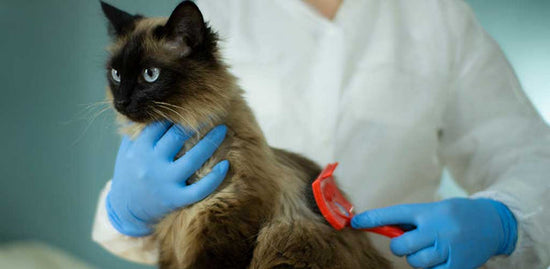
Cats self-groom, but they still need help, especially in India, where climate extremes (dry winters, humid monsoons) take a toll on coats. The right grooming tools save you from matting, hairball issues, and skin problems that would otherwise mean a vet visit.
• A brush or comb: a slicker brush for Persians and Maine Coons, a rubber grooming mitt for short-haired cats. Two or three times a week is enough for most cats
• Nail clippers: trim every two to three weeks. Overgrown nails catch on fabric, hurt the cat, and scratch you when they knead
• A cat-safe shampoo: you won't bathe your cat often, but when you do, use one with a cat-appropriate pH. Human shampoo strips their skin's natural barrier
• Grooming wipes: useful in summer when you want a quick clean without a full bath
"Don't bathe your cat more than once every four to six weeks unless your vet says otherwise. Cats handle their own cleaning. Over-bathing strips natural oils and causes dry, itchy skin. Regular brushing does more good than frequent baths." - Dr Nithya Priyadarshini (MVSc, 6+ years of experience) |
Check cat grooming tools on Supertails:
Expensive cat toys get ignored constantly. The Rs. 50 crinkle balls get batted around for years. The key is triggering the hunting instinct, not buying the most elaborate thing you can find.
What cats genuinely use:
• Feather wand toys: the best toy for play. Ten minutes with a feather wand before bed burns energy, reduces night-time zoomies, and keeps indoor cats mentally engaged. Our vets recommend this above everything else for indoor cats
• Catnip toys: about 60% of cats respond to catnip. If yours does, a catnip toy or a pinch of dried catnip on a cardboard scratcher gives them a good ten to fifteen minutes of independent play
• Small balls and crinkle balls: great for independent play when you're busy. Foil balls from the kitchen work just as well as anything bought
What to skip for now:
• Big robotic toys that move fast and unpredictably. Many cats are frightened rather than interested, especially kittens being homed for the first time
• Toy 'sets' with 20 items. You'll end up with 18 unused pieces. Buy one or two good wand toys first
|
A note for cat parents in Indian cities Cats in Mumbai, Delhi, Bengaluru, and other metros are indoors almost all the time. They don't get the stimulation of a cat that roams outside. Two 10-15 minute play sessions a day make a real difference to behaviour. Cats without enough play tend to over-groom, wake you up at 3 am, or take out their energy on furniture. |
Browse Supertails’ range of cat toys, along with safe food, bowls, and water fountains, to build a happier, healthier indoor life for your cat.
Even indoor cats get fleas. They hitch rides on your shoes, your bag, your clothes. In India's warm, humid climate, this is a year-round problem, not a seasonal one, and it gets worse through the monsoon months.
• Monthly spot-on treatments applied to the back of the neck are the most reliable option. Always use a cat-specific product. Dog flea treatments often contain permethrin, which is toxic to cats and can be fatal even in small amounts. This is not a 'close enough' situation
• Check behind the ears, between the toes, and at the tail base during grooming
• If you see one flea, treat the whole house, not just the cat. Flea eggs live in carpet, furniture, and bedding
Not sure which treatment is right for your cat's weight and age? Book a vet consultation on Supertails before you buy. You can also book an appointment at Supertails Clinics, now available across multiple locations in Bengaluru, for in-person checkups, diagnostics, and personalised treatment plans for your cat.
You don't need a medicine cabinet. You need a few basics so you're not scrambling at midnight.
• A basic first-aid kit: gauze, saline solution, antiseptic wipes, and a digital thermometer. Cats' normal temperature is 38 to 39.2 degrees C
• Dental care basics: Dental disease is one of the most overlooked health problems in cats in India. Starting early with a cat-formulated toothpaste and a finger brush prevents expensive cleanings later. Cats rarely show tooth pain until it's severe
• Deworming: indoor kittens still need deworming every three months. Your vet will tell you which product and what dose based on your cat's weight
Always check with a vet before giving any medication or supplement. Our vets at Supertails are available online if you have questions. Book a free consultation here. Stock up on basic healthcare essentials from Supertails so you’re prepared for minor cat emergencies at home.
The most common question on Indian cat parent forums: which products are genuinely useful and which are a waste of money? Based on vet input and what Supertails customers actually report using, here's a straight answer.
Product |
Worth buying? |
Price range (Rs.) |
One thing to know |
Covered litter box |
Yes, essential |
500-2,000 |
One box per cat, plus one spare |
Clumping bentonite litter |
Yes, essential |
300-1,200/month |
Best odour control for Indian flats |
Stainless steel food bowls |
Yes, essential |
200-600 |
Plastic causes chin acne in some cats |
Cat water fountain |
Yes, worth it |
800-3,500 |
Cats drink more when water moves |
Scratching post or cat tree |
Yes, essential |
600-5,000 |
Place it where they already scratch |
Hard-sided cat carrier |
Yes, essential |
700-3,000 |
Leave it out so they stop fearing it |
Feather wand toy |
Yes, worth it |
150-600 |
10 minutes daily cuts stress noticeably |
Catnip or cat grass |
Yes, worth it |
100-400 |
About 60% of cats respond; try before buying a lot |
Automatic feeder |
Nice to have |
1,500-5,000 |
Useful for long work days in metros |
Cat clothing/costumes |
Skip for now |
300-1,500 |
Most cats find it stressful |
Scented cat perfume |
Skip |
200-800 |
Cats self-groom; added fragrance irritates them |
This is the part of cat ownership that trips up a lot of first-time parents because the risks are invisible until something goes wrong. Cat-proof your home before your cat arrives.
• Lily plants (all varieties): Peace lily, Easter lily, tiger lily — all of them. Even a small amount can cause kidney failure in cats. If you have lilies at home, move them out before your cat comes in. Tulsi, aloe vera, and philodendron also cause problems
• Paracetamol (Crocin, Dolo): Highly toxic to cats. Never give your cat a human painkiller without explicit vet instruction. Cats metabolise drugs very differently from humans and dogs
• Onion, garlic, grapes, chocolate, and xylitol: Xylitol shows up in sugar-free products, chewing gum, and some peanut butters. If you're not sure what's in something, keep it away from your cat. More on what cats can and can't eat on the Supertails blog
• Essential oils and room diffusers: Tea tree, eucalyptus, peppermint, and citrus oils are toxic to cats through skin contact and inhalation. Plug-in diffusers in enclosed rooms are risky. If you're unsure, put them in rooms your cat can't access
• Dog flea products: Permethrin, the active ingredient in most dog flea treatments, is lethal to cats. Do not use a dog product on your cat, even once, even a small amount
If your cat eats or touches something they shouldn't, don't wait for symptoms to appear. Symptoms can show up hours later, by which point things are worse. Call a vet immediately, or book an urgent consultation on Supertails.
This is the stuff that doesn't show up in product listings. It comes from living with a cat for a year or two and wishing someone had said it earlier.
• Routine matters more than environment. Cats don't care about square footage. They care about predictability. Same feeding time, same litter-cleaning schedule, same person doing the morning routine. Disruptions to routine are a bigger stress trigger than a new flat or a new toy
• Litter box location beats litter box type. A covered box in a busy hallway will be refused. An open tray in a quiet corner will be used without complaint. Try different spots before blaming the box or the litter
• Two cats are often easier than one. For working professionals in Bengaluru or Mumbai who are out all day, a bonded pair keeps each other occupied. Single cats in empty flats tend to develop anxiety and boredom-related habits that are annoying to deal with
• Introduce the carrier before you need the carrier. Leave it open in your living room from day one. Your cat should treat it as furniture, not as a portal to terrible experiences
• Cat-proof first, ask questions later. Dangling wires, open washing machines, balcony gaps, and toxic plants are where preventable accidents happen. Do a slow walk through your home before your cat arrives
• Annual vet check-ups save money in the long run. Cats hide pain and illness well. By the time symptoms are obvious, the condition has often been building for months. Routine check-ups catch things early when they're cheaper to treat. Read more: why regular vet visits matter for cats
Most of what makes a cat happy has nothing to do with products. It's a clean litter box, consistent feeding, 15 minutes of play a day, and a vet you go to before things get serious, not after. The stuff on this list gets you set up for that routine. It's not complicated, and you don't need to spend a lot to get it right.
If you want one place to get everything — with free vet guidance, genuine product quality checks, and delivery the same day in most Indian cities — shop the full first-time cat parent range on Supertails. Our in-house vets have looked at every product we stock.
Products that keep cats healthy and engaged include high‑quality complete cat food, fresh clean water in bowls or fountains, sturdy scratching posts, interactive toys, grooming tools, a comfortable bed, and safe litter. Choose age‑appropriate formulas and vet‑recommended treats to support joint, coat, and digestive health.
Cats need balanced nutrition, constant fresh water, a clean litter box, scratching posts, interactive toys, a safe indoor space, regular grooming, comfortable resting spots, routine vet check‑ups, and affection with predictable routines. These essentials support physical health, mental stimulation, stress reduction, and a strong bond with their humans.
Chronic kidney disease is often called a silent killer of cats because early signs are subtle and easily missed. Gradual changes like increased thirst, more urination, weight loss, and dull coat appear late. Regular vet check‑ups and blood or urine tests help detect kidney issues before severe, irreversible damage occurs.
New cat parents need a starter kit with quality cat food, water and food bowls, a litter box with clumping litter, scratching posts, toys, a carrier, grooming tools, and a cozy bed. They also need a trusted veterinarian, vaccination schedule, parasite prevention, identification tags or microchip, and time for bonding.
Worth buying: covered litter box, clumping litter, stainless bowls, a water fountain, a good scratching post, and a feather wand toy. Consistently skipped by experienced cat parents: cat clothing (most cats hate wearing anything), fancy cat perfumes (stress trigger, not a hygiene need), and large toy sets (you'll use two items from twenty). The full table above has the breakdown with price ranges.
In Indian homes specifically: all lily varieties (kidney failure risk), paracetamol/Crocin, onions and garlic, grapes, chocolate, xylitol in sugar-free products, essential oils in diffusers (tea tree, eucalyptus, peppermint), and dog flea products containing permethrin. Cat-proof before your cat comes home, not after.
First-month setup is usually Rs. 3,000 to Rs. 8,000 for the basics: litter box plus litter (Rs. 800-2,000), bowls plus initial food supply (Rs. 600-1,500), a carrier (Rs. 700-1,500), a scratching post (Rs. 600-1,000), and a couple of toys (Rs. 300-700). Ongoing monthly costs for litter and food run Rs. 1,500-3,500 depending on brand and cat size. First-year vet costs for vaccinations and deworming are separate and worth budgeting for upfront.


Accepted formats: JPG, JPEG, or PDF
Upload clear images under 8MB for prescription verification
As per Indian Medical Laws a valid prescription should have the following information
DO'S AND DONT'S
Upload Clear Image
Make sure the picture captures clear and legible handwriting/type. Place the prescription on a flat surface to improve focus and clarity in the image.
No Picture of Medicines
Do not Crop the Image
2 item in cart
₹10,360


