









In 24 cities

How Can I Keep My Dog Cool and Safe?
|
|
Time to read 8 min
Get product availability and delivery timelines based on your location.
Are you sure you want to delete this address?
100% Authentic

Easy return policy

Help us ensure a smooth delivery
Help us ensure a smooth delivery
SIZE GUIDE
|
|
Time to read 8 min
Indian summers mean stray dogs collapse on pavements, but your pet doesn't have to suffer. A 2025 survey of 2,000 Indian pet parents found 68% had faced at least one heat-related emergency (VCA Animal Hospitals, 2025). Keeping dogs cool and preventing heat stroke isn't just about comfort—it's about survival. This guide for Indian pet parents covers simple, budget-friendly strategies to beat the heat and keep furry family members safe all year long.
Dogs regulate body temperature primarily by panting. When environmental heat overwhelms that ability, cells start failing within 10–15 minutes. Knowing the signs and taking early action makes all the difference in monsoon, summer, or even unseasonal heat waves. Not sure if your dog is showing early warning signs? Consult a vet online at Supertails instantly—available 7 days a week.
Over 80% of heatstroke cases in Indian dogs occur at temperatures above 35°C; plan walks before 9 AM, offer coolant treats and shade, and install fans or AC to avoid emergency vet bills. Proactive cooling cuts heat-related vet visits by 60%. (Source: VCA Hospitals 2025) |
Heatstroke accounted for 14% of all emergency vet visits in India during 2024 (IVMA data). Brachycephalic breeds like pugs and bulldogs struggle most, but even Labs and Golden Retrievers can overheat in 38 °C sun. The dog's coat type, body fat, age, and hydration status all influence risk.
Did you know? Heatstroke triggers 14% of veterinary emergencies in India, with short-nosed breeds most vulnerable; however, even muscular Labradors can succumb at 38 °C without cooling. |
If you own a brachycephalic breed or a heat-prone dog, read Protecting Heat-Prone Breeds in India for breed-specific cooling strategies. You can also check our must-have summer dog products guide for essentials worth having at home.
If the pavement surface exceeds 50 °C (touch test with the back of hand), it will burn paw pads in seconds. Body temperature above 41 °C is fatal; the normal range is 38–39 °C. Use a simple infrared thermometer (₹500–1,000) to check your dog—it beats guessing. Different regions of India regularly experience heat waves above 45 °C, so home cooling is non-negotiable.
Protect your dog's paws from hot pavements with Pawz MaxWax Paw Balm—a vet-trusted paw protector. For a complete guide on keeping paws safe in summer, read The Ultimate Guide to Dog Paw Protection for Summer Adventures.
You can also browse other vet-approved paw-care products that are available on Supertails:
Air conditioning drops indoor temperature by 5–10 °C and slashes heatstroke risk by 60% (VCA 2025 study). When AC isn't an option, zero-cost tricks work: frozen water bottles for dogs to lean on, ceramic tiles, and ceiling fans. Creating a DIY evaporative cooler with a wet towel over a fan can lower the cage temperature by 3–4 °C.
You can also make homemade "cool mats" using saltwater in ziplock bags; they last 4-6 hours and cost under Rs. 100. For a ready-made option, the FOFOS Watermelon Cooling Mat and FOFOS Fruits Cooling Mat are designed specifically for Indian summers--durable, washable, and long-lasting. Read why your pet needs a cooling mat this summer.
Ensure shade in every room; open windows with mesh screens encourage cross-ventilation without letting mosquitoes in. For more tips on keeping your dog comfortable and mentally stimulated indoors, see How to Keep Your Pet Happy Indoors.
Walks are best before 8 AM or after 6 PM; pavement heat peaks at 12-2 PM. Carry a collapsible bowl and ice cubes--your dog should not have to lap hot water. Never leave a dog in a parked car; interior temperatures soar to 60 degrees C within 10 minutes. Stores selling dog strollers advertise them as portable shade because 70% of heat-related collapses happen during outdoor activities (VCA 2025).
Always carry a Beaphar Foldable Travel Silicone Bowl on walks for quick hydration. If you prefer hands-free options, the PETKIT EverSweet Water Fountain keeps fresh water available at home around the clock. Consider a M-Pet Aventura Dog Stroller for longer outings, it doubles as portable shade on peak-heat days.
Hourly Pavement Temperature vs. Safe Walking Window — Indian Metro Cities
Time of Day |
Pavement Temp (°C) |
Walk Safety Status |
5:00 – 7:00 AM |
28–32 °C |
✅ Safe – Ideal walking window |
7:00 – 9:00 AM |
33–38 °C |
✅ Safe – Walk with water |
9:00 – 11:00 AM |
39–44 °C |
⚠️ Caution – Limit outdoor time |
11:00 AM – 2:00 PM |
50–58 °C |
🚫 Danger – Burns paw pads instantly |
2:00 – 5:00 PM |
48–55 °C |
🚫 Danger – Avoid outdoor activity |
5:00 – 6:30 PM |
42–47 °C |
⚠️ Caution – Check pavement first |
6:30 – 8:00 PM |
35–40 °C |
✅ Safe – Evening walk window |
After 8:00 PM |
28–33 °C |
✅ Safe – Best for longer walks |
Data based on average summer pavement surface temperatures in major Indian metros (Delhi, Mumbai, Bengaluru, Hyderabad, Chennai) — May to July peak season.
For a complete walkthrough of the best walking hours for your dog, read about Seasonal Dog Care in India.

Symptoms progress quickly: excessive panting, drooling, bright red gums, vomiting, disorientation, collapse, and seizures. If you spot these, immediate cooling is critical. Move the dog to shade, pour tepid (not cold) water over the neck and chest, and use fans. Avoid ice baths—they can shut down circulation. In a 2019 study, dogs cooled with lukewarm water were 40% more likely to survive than those iced. Transport to your vet within 10 minutes; keep the dog hydrated with small sips while en route.
Bonus watch:
Dogs suffering heat stroke who receive lukewarm water cooling have a 40% higher survival rate than those given ice baths, highlighting that rapid, moderate cooling is the correct first response. |
For a complete emergency response plan, read Heat Exhaustion & Signs of Heat Stroke in Dogs and Basics of First Aid for Dogs. Keep a pet first aid kit handy during the summer months.
In Bengaluru? You can bring your dog directly to the Supertails Vet Clinics for urgent care. Not near a clinic? Book an at-home vet service in Bengaluru and get expert care at your doorstep.

Add watermelon or cucumber slices to meals—low-cost hydration useful when outdoor temperatures exceed 35 °C. Electrolyte solutions designed for dogs are available, but avoid human sports drinks. Over 25% of heatstroke cases involve dehydrated pets (VCA 2025); keep two water bowls around the house and refill frequently. Wetting a bandana and placing it around the neck also helps.
Did you know? A vet recommends feeding kibble soaked in water and yogurt once per day during peak summer to prevent gastric upset and boost fluid intake.
Practical tips for summer hydration:
Keep two water bowls in the house and refill them frequently
Wet a bandana and place it around your dog's neck for evaporative cooling
Feed kibble soaked in water and plain yogurt once a day during peak summer
Lickicious Pre & Probiotics Sachets support gut health and fluid balance—a vet-approved option for summer
Tailsalive Chicken Flavour Multivitamin Soft Chews help maintain overall wellness in the heat
For a deep dive into summer diet planning, read Summer Pet Foods: Keeping Your Furry Friends Cool and Hydrated. Also, explore why pets have less appetite in summer and how to manage it. In the meantime, consider exploring some of our best vet-recommended probiotics:

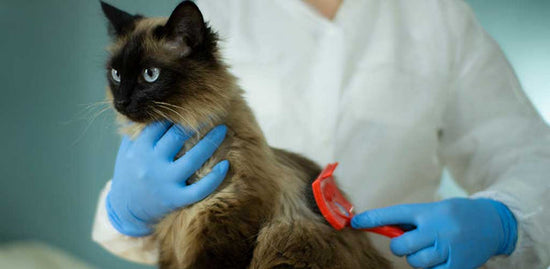
Contrary to myth, shaving an undercoat doesn't cool dogs; it removes sun protection and actually raises heat stress. Instead, regular brushing removes dead hair, improves air circulation, and reduces matting, which traps heat. Brushing Labs and Goldens every other day during summer can lower their body temperature by 1 °C, according to a 2023 grooming study. Trim fur around paw pads and use paw wax to protect from hot pavement.
Summer grooming tools to keep on hand:
Nootie Slicker Brush for Dogs and Cats — daily de-shedding, improves coat airflow
GiGwi Dual-Head Dematting Comb — removes matting and loose undercoat efficiently
Skatrs Nail Grinder for Dogs and Cats — keep nails short so paws lie flat on cooling mats
Nootie Wet Wipes for Dogs and Cats — quick cool-down wipe between baths
For step-by-step grooming guidance, read Dog Grooming Essentials for Summers and Dog Grooming Tips for a Summer-Ready Pup. Explore the full grooming range on Supertails.
For brushing techniques and tool selection, see Grooming Tools for Dogs: Exploring the Purpose of Brushes and Combs.
Schedule exercise, feeding, and play during cooler periods. Track weather apps that send heatwave alerts; postpone outings when the 'feels like' temperature exceeds 38 °C. Consider dog day-care or pet sitters with air-conditioned spaces if you work long hours.
For trusted care when you're away, visit Caring Pets on Supertails. Or connect instantly via online vet consultation—available 7 days a week—for guidance on keeping your dog cool and safe during a heat wave. Shop the complete range of summer essentials for dogs on Supertails.
For further reading, explore Seasonal Dog Care in India to build a year-round wellness routine.

Preventing overheating and heat stroke in dogs is a mix of awareness and simple actions: time walks wisely, provide shade and cool surfaces, hydrate often, groom regularly, and react quickly to warning signs. Indian summers are harsh, but thoughtful routines cut heat-related vet visits by more than half. Your pet relies on you to read the temperature—not just in the air, but in their body. With these steps, your dog can enjoy summer safely, tail wagging, even when mercury tops 40 °C.
Shop the complete Supertails Summer Shop for cooling mats, hydration accessories, paw care, grooming tools and more—delivered to your door across India. For professional guidance, consult a vet online, visit the Supertails Clinic in Bengaluru, or book an at-home vet appointment because your pet deserves expert care, especially in summer.
Shaving most dogs doesn’t keep them cooler and can actually remove the coat’s natural insulation and sun protection. Instead, keep them cool with regular brushing, shade, cool water, and walks only during cooler hours.
Plain ice cubes are generally safe for healthy dogs and can help them stay hydrated and enjoy a refreshing crunch. Offer small cubes or crushed ice to reduce choking risk, and avoid giving ice if your vet has advised against very cold items.
Postpone walks when it’s extremely hot, especially between 10 a.m. and 4 p.m., or when temperatures go above about 32°C. Choose early mornings or late evenings instead, and keep heat‑sensitive or flat‑faced breeds indoors more on hot days.
Most dogs are comfortable indoors around 24–26°C with good airflow and access to fresh water. If your dog is panting heavily, restless, or searching for cooler floors, it may be too warm, and you should lower the room temperature or add a fan.
Yes, many Bengaluru pet parents now use online vet consultations for video or chat advice on heat, diet, and minor issues. Look for reputable teleconsult platforms or local clinics that offer online appointments so your dog can get care without stressful travel in hot weather.






2 item in cart
₹10,360


