









In 24 cities

Munchkin Cat Price in India 2026: Everything You Need to Know Before Bringing One Home
|
|
Time to read 20 min
Get product availability and delivery timelines based on your location.
Are you sure you want to delete this address?
100% Authentic

Easy return policy

Help us ensure a smooth delivery
Help us ensure a smooth delivery
SIZE GUIDE
|
|
Time to read 20 min
Dr. Anees Ibrahim, BVSc & AH, PGDip (AUSA), PMDCSA (Cardiology)
This article has been reviewed by Dr. Anees Ibrahim, Senior Veterinarian at Supertails+ whose clinical background spans Evidence-Based Veterinary Medicine, Behavioural Medicine, and Veterinary Cardiology — the last of which is directly relevant to the cardiac and respiratory complications that can arise from lordosis and pectus excavatum in Munchkin cats. His approach to veterinary care is grounded in peer-reviewed evidence rather than convention, which means the health information in this guide has been held to a standard that goes beyond general veterinary opinion.
The first time most Indian pet parents see a Munchkin cat, it's on a reel. Four seconds of a small, wide-eyed cat waddling toward the camera on legs barely longer than a deck of cards — and suddenly, the decision is almost made. I need one.
We understand that feeling completely. Munchkins are, without argument, among the most visually distinctive, personality-packed cats to have entered the Indian pet world. They're curious, social, playful well into adulthood, and they have a way of bonding with their humans that makes them feel less like pets and more like little roommates with opinions.
But if you're reading this, you're the kind of cat parent who wants to go in fully informed — not just with a number, but with the full picture. The real Munchkin cat price in India isn't just ₹X written on a breeder's receipt. It's the monthly food cost, the vet bills, the honest conversation about this breed's health risks, the grooming routine, and the question every responsible pet parent should ask before choosing a breed with a known genetic controversy: is this the right choice, and am I equipped to give this cat the life it deserves?
This guide from Supertails answers all of that. Thoroughly, honestly, and with your cat's long-term wellbeing at the centre.

The Munchkin cat is, at its core, a domestic cat defined by one single genetic mutation: a form of chondrodysplasia that causes the limb bones to grow shorter than normal while the rest of the body develops at standard size. The result is a cat with a regular-sized body and head perched on legs that are significantly shorter than any other breed — an appearance that ranges from charming to striking depending on which end of the leg-length spectrum a particular cat falls on.
The breed's documented history begins in 1983 when a music teacher in Louisiana, Sandra Hochenedel, found a pregnant stray with short legs. Half her kittens inherited the trait. From that small beginning, through careful breeding with domestic cats, the Munchkin breed was born. In 1994, the International Cat Association (TICA) accepted the Munchkin into its new breed development programme, and by 2003 the breed had achieved championship status within TICA.
However — and this matters significantly for any prospective owner — many major feline associations worldwide do not recognise the Munchkin. The Governing Council of the Cat Fancy (GCCF) in the UK, The Cat Fanciers' Association (CFA) in the US, and the Fédération Internationale Féline (FIFe) all refuse to recognise the breed, citing concerns about intentionally breeding for a physical deformity that may compromise quality of life. There is no equivalent to the Kennel Club of India (KCI) certification for cats in India, so cat breeding operates in an entirely unregulated space here — which makes your own research and due diligence as a buyer even more critical.
A Munchkin is not a hybrid or a designer cat in the crossing-two-breeds sense. They come in every coat colour, pattern, and length imaginable. Their personality is entirely their own — bold, playful, sociable, curious — and has nothing to do with their leg length. Short legs are the only defining physical trait; everything else varies widely.
Trait |
Details |
Weight |
1.8 – 4.1 kg |
Height |
15 – 23 cm |
Lifespan |
12 – 15 years |
Coat |
Short or semi-long; all colours and patterns |
Temperament |
Playful, social, affectionate, curious |
Apartment-friendly |
Yes |
Good with children |
Yes |
Good with other pets |
Generally yes |
The Munchkin cat price in India in 2026 ranges between ₹25,000 and ₹70,000, with significant variation based on location, breeder reputation, coat type, lineage documentation, and the cat's age. This is not a budget breed. And beyond the purchase price, the ongoing costs of responsible Munchkin ownership add up in ways first-time cat parents often underestimate.
Here's what current market rates look like across Indian cities:
City |
Price Range (₹) |
Mumbai / Delhi |
₹40,000 – ₹70,000 |
Bengaluru |
₹35,000 – ₹60,000 |
Hyderabad / Pune |
₹30,000 – ₹55,000 |
Chennai / Kolkata |
₹30,000 – ₹50,000 |
Tier-2 cities |
₹25,000 – ₹40,000 |
These are indicative ranges. Metro cities command higher prices due to greater demand, better-documented breeding lines, and higher overheads for breeders. In smaller cities, prices may be lower — but availability of genuinely health-screened, ethically bred Munchkins is also lower, which warrants extra caution.
Lineage and documentation: A Munchkin with documented breeding history, vaccinations, deworming records, and parental health screening will always cost more than one without. That premium is worth paying.
Coat type and colour: Rare colour combinations — deep chocolate, lilac-point, colourpoint patterns, or long-haired (semi-longhair) varieties — typically command higher prices. Common solid colours or tabby patterns are more affordably priced.
Age: Kittens between 2 and 4 months are the most expensive. Adult cats (1 year and older) may be available for less, and they come with a largely formed personality, which some pet parents actually prefer.
Leg length variety: Breeders sometimes distinguish between standard Munchkins (moderately short legs), super-short Munchkins, and "rug huggers" (the shortest). The extreme variants are often priced higher for their visual novelty — but they also carry higher health risk. More on this in the health section.
Breeder reputation: An ethical cattery that health-tests parents, maintains clean environments, socialises kittens early, and offers post-adoption support will charge more. This is a premium that protects you and your cat.
The purchase price is a one-time cost. What sustains your Munchkin's life — and quality of life — is the ongoing investment. Here's what to realistically budget for:
Expense |
Monthly Estimate (₹) |
Premium cat food (dry + wet) |
₹1,500 – ₹2,500 |
Cat litter |
₹600 – ₹1,200 |
Grooming supplies |
₹400 – ₹800 |
Routine vet costs / supplements |
₹500 – ₹1,000 |
Toys and enrichment |
₹200 – ₹500 |
Total monthly estimate |
₹3,200 – ₹6,000 |
Expense |
Estimated Cost (₹) |
Purchase price |
₹25,000 – ₹70,000 |
Litter box + litter setup |
₹1,500 – ₹3,000 |
Cat carrier |
₹1,500 – ₹3,500 |
Cat bed / sleeping area |
₹1,000 – ₹3,000 |
Kitten vaccination course |
₹2,000 – ₹4,000 |
Spay / neuter surgery |
₹3,000 – ₹8,000 |
Initial toys, scratchers, cat tree |
₹1,500 – ₹4,000 |
First-year total (beyond purchase) |
₹10,500 – ₹25,500 |
Over a 12–15 year lifespan, owning a Munchkin responsibly in India means budgeting approximately ₹3,500 – ₹6,500 per month in ongoing costs, plus periodic larger expenditures for vet care, orthopedic check-ups, and potential health interventions specific to the breed.
For the right cat food that balances nutrition with palatability — Munchkins can be particular eaters — exploring premium cat food options gives you a good starting point. Our guide to picking the best cat food is worth reading before you decide on a brand.

This section is the most important one in this entire guide. It's also the section most other articles either skip entirely or treat with one vague sentence about "some health issues." We're not doing that.
Munchkin cats are defined by a genetic mutation — specifically, an autosomal dominant gene (designated "Mk") that causes chondrodysplasia, the same underlying mechanism as dwarfism. Every Munchkin cat you'll ever meet is heterozygous for this gene (Mk/mk). Cats that are homozygous (Mk/Mk) do not survive — they are reabsorbed as embryos in utero. This is why Munchkin litters are smaller than average: a portion of every Munchkin-to-Munchkin breeding simply doesn't survive to birth.
The gene was identified and confirmed as dominant in 2020. It is a deliberate, intentional structural mutation that the breed is defined by.
Osteoarthritis: Munchkin cats are at higher risk of developing osteoarthritis earlier in life than standard cats. Their shorter limbs alter the forces acting on their joints, and over time this can lead to chronic joint inflammation and pain. This isn't a maybe — it's a documented predisposition. Keeping your Munchkin lean, providing low-impact exercise, and offering cat joint care supplements from mid-life onwards are proactive steps that can meaningfully delay or reduce the severity of joint issues.
Lordosis: An excessive curvature of the spine that causes it to dip inward toward the chest cavity. In mild cases, it may not significantly affect quality of life. In moderate to severe cases, it can compress the chest cavity, reduce cardiac and respiratory function, cause pain, and in the most extreme instances, lead to paralysis. Lordosis is more prevalent in Munchkins than in standard cat breeds. There is no cure — management is supportive. A Munchkin showing a visibly sunken back or difficulty breathing should be seen by a vet immediately.
Pectus excavatum: A deformity of the sternum and ribs that produces a concave, "caved-in" chest. It's present at birth and can range from cosmetic to life-limiting. Severe pectus excavatum compresses the lungs and heart, leading to reduced exercise tolerance, frequent respiratory infections, lethargy, and in serious cases, surgery.
Limb deformities: All Munchkins have shortened limbs. But some — particularly those from extreme breeding (the "rug hugger" variety) — have forelimbs that are visibly deformed, not just shortened. Deformed limbs create abnormal joint loading throughout the kinetic chain, which accelerates the osteoarthritis timeline and can cause compensatory spinal issues.
Decreased self-grooming: Because their legs are short and their backs are proportionally long relative to their height, some Munchkins cannot fully groom themselves — particularly reaching their lower back, tail base, and hindquarters. This makes regular grooming by you a non-negotiable part of care, not just a nice-to-have.
Obesity risk: Munchkins are less agile jumpers than standard cats and expend less energy on vertical movement. Combined with their social, food-motivated personalities, weight gain is a genuine risk that compounds every joint and spinal issue listed above. Portion control is critical.
We're going to be honest about this because you deserve honesty. Many veterinarians, feline welfare organisations, and breeding ethicists argue that Munchkin cats should not be deliberately bred — that intentionally selecting for a physical deformity, particularly one that creates documented health risks, is not consistent with responsible breeding.
The CFA's position, the GCCF's refusal to recognise the breed, and the statements of multiple veterinary voices on record all reflect the same concern: when you breed a cat for a feature that compromises its ability to move normally, self-groom, and potentially breathe and circulate blood normally, you are prioritising human aesthetic preference over animal welfare.
This doesn't mean every Munchkin suffers, or that every Munchkin owner is acting irresponsibly. Many Munchkins lead healthy, happy, pain-free lives. But the risk is statistically higher than with standard-legged cats, and the severity of outcomes ranges from mild to genuinely serious.
If you choose to bring a Munchkin home — knowing this — your responsibility is to choose the most ethical breeder you can find, provide proactive health monitoring, maintain an ideal body weight, and commit to the vet bills that will come with managing this cat's specific health risks over its lifetime.
This is a cat that will love you with everything it has. It deserves an owner who goes in with eyes open.
India does not have a formal cat registry equivalent to the KCI for dogs. Cat breeding is largely unregulated, which means the onus is entirely on the buyer to distinguish responsible breeders from irresponsible ones.
Here is what to look for — and what to walk away from:
Green flags from a good breeder:
Welcomes in-person visits to their home or cattery before any payment
Shows you the mother cat (and ideally father, or photos/documentation of the father)
Provides complete vaccination and deworming records for the kitten
Will not release a kitten younger than 8–10 weeks
Shares parental health history and acknowledges the breed's health risks openly
Does not breed two Munchkin cats together (a responsible breeder typically pairs a Munchkin with a standard-legged cat to reduce embryonic loss and health risk)
Offers post-adoption support and follow-up
Red flags to walk away from:
Online-only transactions with no option to visit
Suspiciously low prices with no documentation
Kittens offered under 7 weeks of age
No vaccination records or health certificates
Breeders who specifically market "rug hugger" or "super-short" Munchkins at premium prices — this extreme variant carries the highest health risk
Reluctance to discuss the breed's known health issues
Pressure to pay a deposit before you've visited or seen the kitten
If you find a Munchkin in a rescue or shelter — they do occasionally appear — that is always worth considering. Adoption gives a cat that already exists a second chance at a stable home.

Munchkins need high-protein, appropriately portioned, joint-conscious nutrition throughout their lives. This is not a breed where you can free-feed a bowl of dry kibble and call it done.
For kittens under 12 months, a combination of quality kitten food — both dry and wet — provides the protein and moisture balance developing bodies need. Wet food is particularly important for cats because their ancestral biology drives low thirst instinct; they rely on moisture from prey. A cat surviving on dry kibble alone is often mildly chronically dehydrated, which affects kidney health over time.
For adult Munchkins, look for foods that list real animal protein (chicken, fish, turkey) as the first ingredient, have moderate fat content, and ideally contain joint-supporting nutrients like glucosamine and chondroitin. Given Munchkins' predisposition to osteoarthritis, these nutrients in food — supported by dedicated cat supplements — are worth the investment. Our guide on why your cat's nutrition matters covers the fundamentals well.
Avoid these entirely: chocolate, onions, garlic, grapes, raisins, excessive salt, xylitol (found in some peanut butters and sweet products). These are toxic to cats.
Control treats strictly. A Munchkin that gains even half a kilogram of excess weight is a Munchkin whose joint loading increases measurably. Use treats for training and bonding, not as free snacks. Explore quality cat treats that serve a nutritional purpose — dental health, joint support, hairball control.
Item |
Monthly Estimate (₹) |
Premium dry kibble |
₹800 – ₹1,300 |
Wet food (daily / alternate days) |
₹500 – ₹900 |
Functional treats / supplements |
₹200 – ₹300 |
Total |
₹1,500 – ₹2,500 |
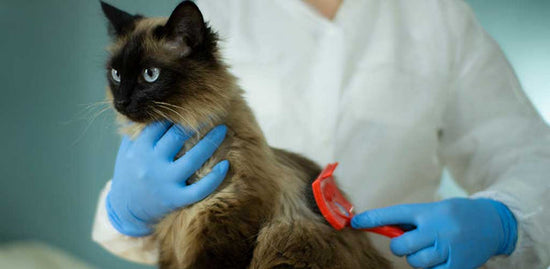
Munchkin grooming needs depend significantly on coat length. Short-haired Munchkins need brushing once or twice a week. Semi-longhair Munchkins need brushing every two to three days, with particular attention to the belly, the base of the tail, and behind the ears — areas they often cannot properly self-groom.
Pay close attention to areas your Munchkin cannot reach themselves. Check the lower back and tail base at every grooming session. Mats in these areas can become painful skin issues if left unaddressed. Our guide to defeating matted cat hair is useful reading for long-haired Munchkin parents.
Quality cat brushes and combs make the weekly routine easier — use a slicker brush for general coat, and a fine comb for detangling. Cat shampoos and conditioners suited to your cat's coat type should be used for monthly baths; over-bathing strips natural oils and causes skin dryness, which matters particularly in India's varied climates.
Nail trims every three to four weeks, ear checks weekly, and dental attention (dental treats or occasional brushing) round out a complete routine. Browse cat grooming products and cat paw and nail care for the tools you need. If grooming feels overwhelming at first, our kitten grooming essentials guide is a gentle entry point.
It cannot be understated just how important grooming is for Munchkin cats. You have to maintain a proper grooming routine and use the proper grooming tools for them as well. If you’re intimidated by the idea of grooming your cat yourself, then you can always book a grooming appointment at a Supertails Clinic near you. We have some of the most experienced and qualified professionals with access to top-of-the-line grooming technologies – all designed to give your pet the best care possible!

Munchkins cannot jump as high as standard cats. A standard-height dining chair may be a stretch; a kitchen counter is almost certainly out of reach. This is actually a practical advantage in Indian homes where curious cats on countertops and high shelves can cause problems. But it also means your setup needs adjustment:
Low-entry litter boxes: The litter box must have a low front entry — no more than 8–10 cm high. Standard litter boxes with 15+ cm sides are difficult for a Munchkin to enter and exit comfortably, especially as they age. Explore cat litter boxes and toilets to find appropriate options, and pair them with a good quality cat litter that controls odour well.
Low cat trees and scratchers: Munchkins need scratching posts and climbing opportunities as much as any cat — it's part of their physical and mental health. Choose cat trees and scratchers with low platforms and ramps rather than tall towers. Step-design trees that build gradually work beautifully for Munchkins.
Cat beds at floor level: Your Munchkin's primary sleeping area should be accessible without jumping. Cat beds and mats placed on the floor or on low furniture are ideal. Heated or orthopedic beds become valuable as they age and joint stiffness increases.
A Munchkin cat needs more frequent and more vigilant vet care than a standard cat. This is not fear-mongering — it's just the honest reality of owning a breed with known structural health risks.
For kittens (up to 1 year): The FVRCP core vaccination series (Feline Viral Rhinotracheitis, Calicivirus, and Panleukopenia), an FeLV (Feline Leukaemia Virus) vaccine, deworming, and a general health assessment. Initial vaccinations are given in a series every 3–4 weeks starting from 6 weeks of age. Budget ₹2,000 – ₹4,000 for the complete first-year vaccination course.
Annual check-ups for adults: Every year, no exceptions. For a Munchkin, annual check-ups should include a spinal and orthopaedic assessment in addition to the standard health exam. Ask your vet to check for early signs of lordosis, joint inflammation, or chest deformity — conditions that are far more manageable when caught early.
Signs to watch for between visits:
Reluctance to jump onto surfaces they previously managed
Stiffness after rest, particularly in cold weather
Visible curvature of the spine or a "dipping" in the mid-back region
Laboured breathing or an audible effort to breathe after mild activity
Unexplained weight gain or loss
Changes in litter box habits
Any of these warrant a vet visit, not a "wait and see." With Munchkins, early intervention makes a tangible difference in long-term outcomes.
For skin and coat issues — which can arise from both grooming difficulties and Indian climate factors — our guides on keeping your pet's skin healthy and managing skin allergies are useful references.
For flea and tick prevention — essential in most Indian climates year-round — explore cat flea and tick care options. Our comprehensive guide on cat fleas and ticks treatment covers everything from prevention to treatment.
At Supertails+ Clinics, we have some of the best, most experienced, and qualified veterinarians working tirelessly to make sure that pets around the country are able to continue living healthy and happy lives. If you would like for one of our Supertails Vets to take a look at your little Munchkin Cat and tell you exactly what to do – and what NOT to do – when it comes to caring for them, then consult a Supertails Vet today!

Munchkins are emotionally sensitive cats. They form deep bonds with their humans, and disruptions to routine — guests, festivals (Diwali fireworks are a genuine concern), new furniture arrangements, or the arrival of a new family member — can cause visible stress.
Signs of stress in cats include hiding, over-grooming, changes in appetite, increased vocalisation, and going outside the litter box. If your Munchkin displays these behaviours around a specific trigger, addressing the environment matters more than disciplining the cat.
Provide safe, low-level retreats where your Munchkin can observe without feeling exposed. Cat beds tucked into quiet corners, a covered carrier left open as a den, and consistent daily playtime all contribute meaningfully to emotional security. For cats with anxiety around noise or change, calming and anxiety care products are worth discussing with your vet.

Because Munchkins are crossed with domestic cats rather than purebred lines, they inherit the full range of domestic cat coat colours and patterns. There is no "standard" Munchkin look beyond the short legs.
Common patterns: Solid (black, white, cream, grey), tabby (classic, mackerel, spotted), calico, tortoiseshell, bicolour, and colourpoint (Siamese-style darker extremities with lighter body).
Coat length: Short-haired and semi-longhair (sometimes called longhaired Munchkin). Both are the same breed. Semi-longhair Munchkins require significantly more grooming commitment, particularly given the self-grooming limitations discussed above.
Colour and price: Rare colour combinations — chocolate, lilac, seal colourpoint — typically command higher prices. However, colour should be among the least important factors in your choice. Health documentation, temperament, and the ethical credentials of the breeder matter infinitely more than coat colour.
A note on white Munchkins with blue eyes: As with many cat breeds, white cats with blue eyes have a statistically higher risk of congenital deafness. If a breeder is specifically marketing white, blue-eyed Munchkins at a significant premium, ask for a BAER (Brainstem Auditory Evoked Response) test result confirming normal hearing before purchasing. Deaf cats need additional safety considerations in the home.

Munchkins are genuinely wonderful cats for the right household. They adapt well to apartments — in fact, their limited jumping ability makes them less likely to get into precarious high-up places than standard cats. They're warm with children and generally tolerant of other pets. They're playful without being destructively energetic. They cuddle. They follow you from room to room. They make small, companionable sounds at you throughout the day.
For the right Indian pet parent — someone who has genuinely reckoned with the health responsibilities, has the budget for proactive vet care, and can provide an environment adapted to a small, ground-level cat — a Munchkin becomes one of the most rewarding animals you'll ever share your home with.
But they are not the right choice if:
You're expecting a low-maintenance cat. Munchkins are moderate to high maintenance when it comes to grooming, vet care, and environmental adaptation.
You cannot budget for periodic orthopaedic vet visits and potential health interventions.
You're primarily drawn to the "rug hugger" extreme variety. The shortest-legged Munchkins carry the highest health risk; this is not a feature to seek out.
You're unwilling to commit to regular structured playtime and weight management. An obese Munchkin is a Munchkin in pain.
Go in honestly, go in prepared, and this cat will give you twelve to fifteen years of pure, devoted, short-legged joy!
Munchkin cat prices in India currently range from ₹25,000 to ₹70,000 depending on the city, breeder reputation, coat colour, lineage documentation, and age of the cat. Kittens from established breeders with health records sit at the higher end. Adopting an adult Munchkin from a rescue is significantly more affordable. Monthly ongoing costs add ₹3,200 – ₹6,000 to the real total.
Munchkin cats are at elevated risk for osteoarthritis (due to abnormal joint loading from short limbs), lordosis (excessive spinal curvature that can compress the chest), and pectus excavatum (a caved-in chest deformity). Not every Munchkin develops these conditions, but the predisposition is documented and real. Regular vet check-ups, joint support, and strict weight management are essential components of responsible Munchkin ownership, not optional extras.
Yes — Munchkins are actually well-suited to apartment living. They don't jump high, they're not destructively energetic, and they adapt well to indoor life with proper enrichment. Ensure their litter box and sleeping areas are at floor level, provide low cat trees and ground-play toys, and they'll thrive in an apartment environment typical of Indian cities.
This is a question with no clean answer. Many vets and feline welfare organisations argue against deliberately breeding for a structural deformity. Others point out that individual Munchkins living in loving, informed homes have good lives. If you do choose a Munchkin, the most ethical path is: choose a breeder who health-tests parents, avoids extreme leg-length variants, and pairs Munchkins with standard-legged cats. Go in knowing the risks. Provide proactive care. Consider adopting a Munchkin already in need of a home.
Visit in person before paying anything. Ask to see the mother cat and health records. A responsible breeder will willingly share vaccination history, deworming records, and parental health information. They will not release kittens younger than 8 weeks. They won't specifically market "rug hugger" or extreme short-leg variants as a selling point. If a breeder is reluctant to answer questions or pushes for an online-only transaction, that is a red flag.
Munchkins thrive on a high-protein diet of quality dry kibble supplemented with wet food for hydration. For their joint health, look for foods containing glucosamine and chondroitin, or add a dedicated joint supplement. Strict portion control is essential — obesity accelerates joint deterioration significantly in this breed. Avoid free-feeding, limit treats, and never feed human food including onion, garlic, or chocolate, all of which are toxic to cats.
With proper care, a healthy Munchkin cat lives 12 to 15 years — comparable to most domestic cat breeds. This assumes healthy body weight, regular vet care including orthopedic monitoring, an adapted home environment, and prompt attention to any health changes. The quality of those years depends significantly on how proactively the health risks specific to this breed are managed throughout their life.
Yes, but not as high as standard cats. Munchkins can jump onto most low furniture — beds, sofas, low cat trees — but standard kitchen countertops and high shelves are often out of reach. They compensate with excellent speed and agility at ground level. Their play style is more horizontal than vertical, which is important to account for when buying toys and setting up your home.


Accepted formats: JPG, JPEG, or PDF
Upload clear images under 8MB for prescription verification
As per Indian Medical Laws a valid prescription should have the following information
DO'S AND DONT'S
Upload Clear Image
Make sure the picture captures clear and legible handwriting/type. Place the prescription on a flat surface to improve focus and clarity in the image.
No Picture of Medicines
Do not Crop the Image
2 item in cart
₹10,360


