









In 24 cities

Siberian Cat Price in India 2026: Complete Guide for Indian Pet Parents
|
|
Time to read 24 min
Get product availability and delivery timelines based on your location.
Are you sure you want to delete this address?
100% Authentic

Easy return policy

Help us ensure a smooth delivery
Help us ensure a smooth delivery
SIZE GUIDE
|
|
Time to read 24 min
Dr. Anees Ibrahim, BVSc & AH, PGDip (AUSA), PMDCSA (Cardiology)
This article has been reviewed by Dr. Anees Ibrahim, Senior Veterinarian at Supertails+ whose clinical background spans Evidence-Based Veterinary Medicine, Behavioural Medicine, and Veterinary Cardiology — the last of which is directly relevant to Hypertrophic Cardiomyopathy, the primary hereditary health concern in Siberian cats, where early detection and cardiac monitoring are the difference between managed and critical.
Maybe you caught a glimpse of a Siberian cat on someone's Instagram, or watched one move through a friend's apartment like a small, dignified storm cloud — all chest, all fluff, all quiet confidence. And something clicked. I need this in my life.
We understand that completely. The Siberian is one of the most genuinely impressive cats you can bring into an Indian home — not just for how they look, but for who they are. Loyal in the way most cats simply aren't. Playful well into adulthood. Adaptable to family life with children, other pets, and the cheerful chaos of Indian households. And, for allergy sufferers, potentially a life-changing breed choice.
But before any of that, there's a reality check worth taking. The Siberian cat price in India in 2026 ranges from ₹30,000 to ₹1,20,000+ depending on lineage, quality tier, city, and whether you're looking at a standard Siberian or the increasingly popular Neva Masquerade variety. Beyond that purchase price, there's the real and ongoing cost of keeping a large, semi-longhaired, cold-climate breed genuinely comfortable in India's heat. This guide from Supertails covers all of it — honestly, thoroughly, and with your cat's long-term wellbeing at the centre.
Key Takeaways:
Siberian cat price in India 2026: ₹30,000–₹1,20,000+ depending on quality, lineage, and city
Two varieties you'll encounter: the traditional Siberian and the Neva Masquerade (colourpoint Siberian with blue eyes)
Genuinely lower Fel d 1 allergen production — not fully hypoallergenic, but the best natural option for cat-allergic families
Monthly running costs: ₹4,000–₹10,000, with heat management adding significantly in Indian summers
Primary health concerns: Hypertrophic Cardiomyopathy (HCM) and — in Neva Masquerades — possible PKD
Not a low-maintenance breed: grooming, climate management, and enrichment all require consistent commitment

The Siberian is a premium breed in India — not as rare as some exotics, but not nearly as widely available as Persians or British Shorthairs. Most quality breeders concentrate in the metros, and many serious breeders work with imported Russian or European lines, which pushes the price up meaningfully.
Quality Category |
Price Range (₹) |
What You Get |
Basic / Unregistered |
₹30,000 – ₹50,000 |
No documentation; parentage unverified; health testing absent |
FCI/TICA Registered (Pet Quality) |
₹50,000 – ₹80,000 |
Verified pedigree; registered ancestry; recommended for most families |
Show Quality / Champion Bloodline |
₹80,000 – ₹1,20,000+ |
From titled parents; closest to breed standard; serious breeders or show enthusiasts |
City |
Estimated Price Range (₹) |
Notes |
Delhi / NCR |
₹55,000 – ₹1,10,000 |
Highest concentration of quality breeders; most import agents |
Mumbai |
₹50,000 – ₹1,00,000 |
Strong demand; climate is a significant challenge for the breed |
Bengaluru |
₹45,000 – ₹90,000 |
Relatively cooler climate; growing Siberian breeder community |
Hyderabad / Pune |
₹40,000 – ₹85,000 |
Moderate availability; heat management essential |
Chennai / Kolkata |
₹35,000 – ₹75,000 |
Lower availability; humidity is a major coat-management challenge |
Tier-2 cities |
₹30,000 – ₹60,000 |
Lower prices but significantly harder to find ethical, health-tested breeders |
There are different things that determine the price you’ll have to shell out for this majestic cat. We have compiled a list of them here:
Lineage and registration: A Siberian with documented pedigree traceable to registered Russian or European foundation stock — verified by TICA, FCI, or WCF — costs significantly more than one without. That documentation is worth paying for: it's your only assurance of genetic history in an unregulated market.
Neva Masquerade vs. Standard Siberian: The Neva Masquerade — the colourpoint variety with blue eyes and Siamese-style point colouration — typically commands a ₹5,000–₹20,000 premium over standard Siberians at the same quality level, due to the novelty of the look and the limited breeding lines available in India.
Health testing: Breeders who HCM-test their parents (echocardiogram) charge more. This premium is worth every rupee — see the health section below for why.
Age: Kittens 8–12 weeks command the highest prices. Adult Siberians (1 year+) from ethical breeders are often significantly more affordable and come with a largely formed personality — worth serious consideration.
Gender: Female Siberians are often priced ₹3,000–₹8,000 higher due to breeding demand.

This distinction is almost entirely absent from Indian Siberian cat content — and it's one of the most common questions prospective buyers have in 2025–2026 as Neva Masquerades become more visible on social media.
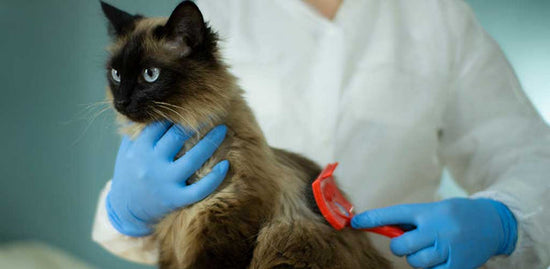
The Neva Masquerade is not a separate breed. It is the colourpoint variety of the Siberian cat — a Siberian that carries the colourpoint gene (the same gene responsible for the Siamese pattern), producing a lighter body coat with darker colouring on the face, ears, paws, and tail. All Neva Masquerades have striking blue eyes. The name comes from the Neva River in St. Petersburg, where these cats are said to have originated.
How they differ:
Feature |
Standard Siberian |
Neva Masquerade |
Coat pattern |
All colours and patterns |
Colourpoint: light body, dark face/ears/paws/tail |
Eye colour |
Green, gold, copper, or heterochromia |
Always blue — deep, striking |
Registry status |
Recognised by all major registries |
TICA and CFA list as colour of Siberian; FIFe and WCF list as separate breed |
Health profile |
HCM primary concern |
HCM primary concern; possible PKD in some lines (see health section) |
Price in India |
Standard baseline |
Typically ₹5,000–₹20,000 premium |
Kitten appearance |
Colour present from birth |
Born pale; full point colouration develops over months to years |
The India-specific reality: Most Siberians being sold in India as "Neva Masquerade" are not from documented Neva bloodlines. The colourpoint look is in demand, and unscrupulous breeders sometimes use the name loosely. Ask for pedigree documentation. A genuine Neva Masquerade will have registered parentage with colourpoint ancestry traceable in the papers.

The Siberian is one of the oldest natural cat breeds in the world — not created through selective crossing, but evolved over centuries in the forests of Siberia, shaped by brutal Russian winters into a cat of remarkable physical and temperamental substance. References to the Siberian appear in Russian fairy tales and folklore over a thousand years old. TICA recognised the breed in 1992; the CFA followed in 2006.
At a glance:
Trait |
Details |
Weight |
Male: 5–8 kg |
Height |
25–30 cm at shoulder |
Lifespan |
12–18 years |
Coat |
Triple-layered; semi-longhair; water-resistant outer coat |
Temperament |
Affectionate, intelligent, playful, loyal, moderately vocal |
Allergen production |
Lower Fel d 1 levels than most breeds; not fully hypoallergenic |
Activity level |
Moderate-high; loves climbing, jumping, interactive play |
Apartment suitability |
Good with enrichment; needs vertical space (cat trees, shelves) |
Heat tolerance |
Moderate-low; India's summers require active management |
Siberians are often described as "dog-like cats" — a description that earns eye-rolls from cat purists but is genuinely apt. They follow their humans from room to room. They greet you at the door. They want to be involved in whatever you're doing, whether that's working at your laptop, cooking dinner, or lying in bed. They don't typically demand attention in a needy, anxious way; it's more that they consider themselves a participating member of the household and act accordingly.
They bond strongly with the whole family rather than fixating on one person, which makes them excellent for joint families and multi-person households — a practical advantage in the Indian context. They're patient with children who have been taught to interact respectfully, and they generally coexist well with other cats and cat-friendly dogs when introduced gradually.
Unlike Persians (serene and floor-bound) or Bengals (relentlessly energetic), Siberians occupy a pleasantly active middle ground. They climb, they jump, they play chase with a teaser — and then they come and sit next to you and purr. They're curious rather than anxious, confident rather than skittish, and affectionate without being suffocating.
This is the most searched topic in Siberian cat content in India, and it deserves a careful, honest answer rather than the vague "they're somewhat hypoallergenic" that most guides offer.
The primary cat allergen is a small glycoprotein called Fel d 1, produced primarily in the salivary and sebaceous glands. When cats groom themselves, Fel d 1 coats the fur, dries, and becomes airborne dander. Most human cat allergies are responses to this protein.
Siberian cats have been consistently documented to produce lower concentrations of Fel d 1 than most other breeds. Studies and breeder data suggest Siberians produce roughly 2–4 times less Fel d 1 than average domestic cats, with significant individual variation — some Siberians produce very low levels; others produce amounts closer to average cats. Males produce more Fel d 1 than females; neutered males produce less than intact males.
What this means in practice for Indian cat parents:
Many people with mild-to-moderate cat allergies report living comfortably with Siberians with no or minimal reaction
People with severe cat allergies may still react, just less intensely
"Hypoallergenic" is a spectrum, not a binary. No cat is 100% allergen-free
The best way to assess your personal reaction: spend 30–60 minutes with a Siberian (ideally at a breeder's home) before committing to purchase
Some breeders, particularly those with TICA-registered lines, offer Fel d 1 saliva testing for individual kittens — showing the specific allergen level that kitten produces. This is worth asking about, especially if allergies are the primary reason you're considering the breed.

This section is more important than any other in this blog — because the Siberian's health profile has specific nuances that significantly affect the care commitment and annual costs you should budget for.
HCM is the most significant hereditary health condition in Siberian cats. It is a condition where the walls of the heart's left ventricle thicken abnormally, reducing the heart's ability to pump blood effectively. In mild cases, it is managed with medication and monitoring; in severe cases, it leads to congestive heart failure and sudden death.
HCM is documented in Siberians at higher rates than in many other breeds. It is a genetic condition — meaning the risk is reduced (but not eliminated) by choosing breeders who cardiac-screen their breeding cats. The screening method is echocardiography (cardiac ultrasound), ideally performed annually on breeding cats by a board-certified veterinary cardiologist.
What to ask a breeder: Have both parents been echocardiogram-tested for HCM within the past 12 months? Can you share the results? A reputable breeder will answer yes to both.
Signs to watch for in your own cat: laboured or rapid breathing, lethargy, reluctance to exercise, open-mouth breathing, blue-tinged gums. Any of these warrant immediate veterinary attention. Annual cardiac examinations from age 2 onwards are standard preventive care for Siberians.
PKD is a hereditary condition where cysts form on the kidneys from birth, gradually growing and disrupting kidney function, potentially leading to kidney failure. PKD is not documented in traditional Siberian bloodlines, but has been identified in some Neva Masquerade lines — likely due to Persian or Himalayan ancestry having entered some Neva lineages during the breed's development.
If you are considering a Neva Masquerade specifically, ask whether the breeder tests their cats for PKD (DNA test or ultrasound). It is a serious question worth asking directly. Traditional Siberians from documented, non-Neva lines carry very low PKD risk.
Signs to watch for: increased thirst and urination, weight loss, poor appetite, lethargy, vomiting. Kidney conditions are manageable (special diet, fluid therapy) but not curable. Early detection through annual bloodwork and urinalysis significantly improves quality of life outcomes.
This is the most practically important health consideration for Siberian ownership in India.
The Siberian's triple-layered, water-resistant coat is an evolutionary adaptation to the coldest climate on Earth. In Bengaluru's mild 25–32°C, this is manageable. In Delhi's 42°C June afternoons, Mumbai's oppressive monsoon humidity, or Chennai's year-round heat, it becomes a genuine welfare concern.
Siberians do not pant efficiently to regulate temperature the way dogs do. In high heat, they are at risk of heatstroke, a veterinary emergency. Signs: rapid open-mouth breathing, excessive drooling, bright red gums, unsteadiness, collapse.
India-specific heat management:
Air conditioning during peak summer months (April–June across most metros; longer in southern cities) is not optional — it is a health requirement
Ensure cool, ventilated indoor spaces at all times; never confine your Siberian in a room without airflow
Cat water fountains encourage hydration, which helps with temperature regulation — Siberians, like all cats, have low natural thirst drive and benefit from moving water
Regular brushing removes dead undercoat, meaningfully improving heat dissipation — during India's summer, increase brushing to daily
Walk timing and outdoor access should be restricted to early morning and evening in summer months
Never leave a Siberian in a parked car or enclosed outdoor space in Indian heat
Our guide on summer foods to avoid for cats has additional warm-weather care advice.
Obesity: Siberians have large frames, healthy appetites, and indoor lifestyles. Weight gain is a documented risk and worsens joint health over time. Structured feeding with measured portions — not free-feeding — is standard practice. Our blog on dealing with an overweight cat covers management strategies in detail.
Dental disease: Like most breeds, Siberians are prone to periodontal disease. Dental care — ideally tooth brushing 2–3 times weekly, supplemented by cat dental treats and annual professional cleanings — should begin from kittenhood.
Hairballs: The triple coat means Siberians ingest significant fur during self-grooming. Regular brushing (which reduces ingested fur) and hairball-formula food or supplements address this. Our blog on preventing hair fall and hairballs in kittens is a useful reference.
Siberian Cats come with a particularly challenging set of health issues for the Indian climate. If you ever feel overwhelmed and want some of the best & most qualified veterinarians to help guide you and take care of your feline companion, then visit a Supertails+ Clinic in Bangalore and Consult a Supertails Vet.

It would be extremely unwise to commit to owning a Persian cat without knowing the annual and monthly costs that come with raising one. Here, we have broken them down for you:
Expense |
Monthly Estimate (₹) |
Notes |
Premium cat food (dry + wet combined) |
₹1,800 – ₹3,500 |
High-protein diet for a large, muscular breed |
Cat litter |
₹600 – ₹1,200 |
Quality clumping litter; Siberians prefer clean boxes and will avoid a dirty one |
Grooming supplies (home brushing) |
₹300 – ₹600 |
Brushes, combs, detangling spray |
Professional grooming (amortised monthly) |
₹500 – ₹1,500 |
Full groom every 6–8 weeks; more during coat blow |
AC electricity (summer months) |
₹2,000 – ₹6,000 |
Significant; unavoidable in most Indian cities April–June |
Flea/tick prevention |
₹300 – ₹700 |
Year-round in most Indian climates |
Routine vet / supplements |
₹500 – ₹1,200 |
Monthly average; includes periodic check-ups |
Toys and enrichment |
₹200 – ₹500 |
Siberians need consistent mental stimulation |
Total monthly estimate |
₹6,200 – ₹15,200 |
Higher in peak summer; lower in cooler months |
Item |
Estimated Cost (₹) |
Vaccination course (FVRCP + Rabies) |
₹2,500 – ₹5,000 |
Spay / neuter surgery |
₹4,000 – ₹8,000 |
Quality cat carrier |
₹1,500 – ₹4,000 |
Cat tree / scratcher (large enough for a Siberian) |
₹3,000 – ₹8,000 |
Cat bed |
₹1,000 – ₹3,500 |
Litter box + initial litter supply |
₹1,200 – ₹3,000 |
Grooming starter kit (brush, comb, nail tools) |
₹1,500 – ₹3,500 |
Initial toy set |
₹800 – ₹2,000 |
First-year total (beyond purchase price) |
₹15,500 – ₹37,000 |

Siberians are large, muscular cats with active metabolisms. Their ancestral diet was protein-heavy — prey animals in Siberian forests — and their nutritional requirements reflect that. Low-quality carbohydrate-heavy kibble is not appropriate for this breed.
The basics:
A combination of high-quality dry cat food and wet cat food serves Siberians well. Dry food provides convenience and dental benefits; wet food contributes to the moisture content that cats' low natural thirst drive means they often lack from water intake alone. A cat surviving on dry kibble alone is frequently mildly chronically dehydrated — particularly concerning in India's warm climate, which increases the hydration requirement further.
Look for foods listing a named animal protein (chicken, salmon, turkey, lamb) as the first ingredient. Avoid foods where corn, wheat, or unnamed "meat meal" appears first. For an in-depth guide, our cat food selection guide covers how to evaluate labels and choose appropriately. Premium cat food options at Supertails include several formulas suited to large, active breeds like the Siberian.
Royal Canin cat food has breed-specific and size-specific formulations worth considering for Siberians. For kittens under 12 months, use a dedicated kitten food — the higher protein and calcium-phosphorus ratios support the Siberian's slow, substantial growth (they don't reach full size until 3–5 years of age).
Feeding structure:
Feed twice daily with measured portions — never free-feed. Siberians will overeat given unlimited access, and obesity is a documented breed concern. For guidance on how portion sizing changes across life stages, our guide to switching from kitten to adult food is worth bookmarking.
Supplements:
Omega-3 fatty acids (from fish oil) support coat health and skin condition — particularly valuable for maintaining the Siberian's triple coat in India's variable climate. The benefits of salmon oil for cats are well-documented. Browse cat supplements for appropriate options. From middle age (6+ years), discuss cardiac-support supplements with your vet given the breed's HCM predisposition.
Fresh water should be always available. As noted above, a cat water fountain significantly increases water intake in cats — particularly beneficial for a breed in India's climate.

It’s not easy looking that majestic! Caring for this particular breed involves special grooming requirements that have to be met.
The Siberian triple coat consists of three distinct layers: a dense, water-repellent outer coat; a softer middle layer; and a fine, insulating undercoat. Despite the volume of fur, the Siberian coat is less prone to matting than Persians or Maine Coons — the texture is naturally more open and less tangled. But "less prone" is not "mat-free," particularly in India's humidity, and particularly in areas the cat can't easily self-groom: armpits, behind the ears, and the base of the tail.
Brush 2–3 times per week with a quality cat slicker brush or comb throughout the year. This prevents mat formation, removes loose hair before it reaches your furniture, and distributes natural oils through the coat. Our guide on defeating matted cat hair is essential reading for Siberian owners.
Pay particular attention during India's monsoon season — the combination of humidity and a dense coat is a recipe for skin problems if areas stay damp. After your cat has been wet (bath, outdoor rain exposure), dry thoroughly with a towel followed by a low-heat hairdryer if your cat tolerates it.
Bathing: Every 6–8 weeks for most Siberians. Use a gentle cat shampoo and conditioner suited to long-haired breeds — human shampoo strips natural oils and disrupts the coat's water resistance. Our guide to choosing the right cat shampoo explains what to look for. Our step-by-step cat grooming essentials guide covers the complete routine.
Like Akitas and Huskies, Siberians shed their undercoat seasonally — typically in spring (March–May) and early autumn (September–October). During these 2–4 week periods, the volume of shed hair increases dramatically. Daily brushing during coat blow is not optional — skip a day and you'll spend 20 minutes removing a mat the next session.
A de-shedding tool or undercoat rake works significantly better than a standard slicker brush during coat blow. Professional grooming during this period — a deep bath, high-velocity blow-dry to loosen the undercoat, and thorough brushing — is worth the expense twice a year.
Nail trims: Every 3–4 weeks. Cat nail clippers and trimmers are straightforward to use at home. Overgrown nails snag on fabric and can curl into the paw pad.
Ear care: Check weekly. Siberians have tufted ears that can accumulate debris. Clean gently with a vet-approved solution when needed. Browse cat health care aids for ear-cleaning products.
Service |
Estimated Cost (₹) |
Full groom (bath + dry + brush + nail trim) |
₹1,500 – ₹3,500 |
Coat blow de-shedding session |
₹2,000 – ₹5,000 |
Home grooming kit (one-time) |
₹2,000 – ₹5,000 |
You can also visit a Supertails+ Clinic near you, and get professional grooming done for your Siberian. We have some of the best grooming professionals in the country, and some of the best facilities as well. So you can rest assured that your cat will leave the clinic looking as fresh and pampered as can be! Get your cat a Grooming Appointment right away!

Siberians are athletic, curious climbers. They are not floor-bound cats — they survey their territory from height, and a home without vertical space is a home where a Siberian will be less settled and less happy.
Cat trees and scratchers: Invest in a large, stable cat tree or condo with multiple platforms and at least one high perch. Siberians are heavier than most cats — check weight ratings. Scratching is a natural stress-relief and nail-maintenance behaviour; without appropriate scratching surfaces, your furniture becomes the scratcher.
Litter boxes: One per cat plus one extra is the standard recommendation. Siberians are large cats — choose a litter box with generous interior dimensions and low entry (standard high-sided boxes with 15+ cm walls can be awkward for large cats). Browse cat litter boxes and pair with a quality cat litter that clumps well and controls odour. A dirty or poorly located litter box is the primary reason cats go elsewhere — Siberians are particularly clean animals.
Enrichment and toys: Siberians need daily active play. Cat teasers, ball and chaser toys, and interactive toys are all well-suited to this breed's prey-drive and athleticism. Catnip toys work on most Siberians and provide excellent independent enrichment. Two 10–15 minute interactive play sessions daily is the minimum; this breed has the energy and intelligence to want more.
Sleeping spaces: Provide comfortable, accessible cat beds in multiple locations. During summer, cooling mats are a genuinely useful addition — browse cooling mats for appropriate options.

Because Siberians are a natural breed not created through selective crossing, they come in the full range of natural cat colours and patterns. There is no "standard" Siberian colour — any colour and pattern is accepted by major registries.
Common colours: Black, blue (grey), red (orange), cream, white, and all tabby variants (classic tabby, mackerel tabby, spotted). Tortoiseshell, bicolour, and van patterns (mostly white with colour on head and tail) all appear.
Tabby varieties: Brown tabby and silver tabby are the most common and widely available. Silver tabbies — white-based coats with black tabby markings, often with striking green eyes — are particularly sought after in India and typically command a modest premium.
The Neva Masquerade colourpoints: Seal point (dark brown points), blue point (grey points), red point (orange points), and cream point are the most common. All Neva Masquerades have blue eyes regardless of point colour.
Rare patterns in India: Golden tabbies (a warm apricot-gold ground colour with darker tabby markings) are relatively uncommon and tend to command premiums. White Siberians are available but slightly less common than tabby varieties.
Colour and price: Colour alone should never drive your purchase decision significantly — health documentation, lineage, and the specific cat's temperament matter infinitely more. A rare-coloured Siberian from an undocumented breeder with no health testing is a far worse choice than a common brown tabby from a reputable, HCM-testing cattery.
India has no formal cat registry equivalent to the KCI for dogs. The closest equivalents are TICA (The International Cat Association) and FCI-affiliated organisations — some Indian breeders are registered with international bodies, and this is worth seeking out. Cat breeding in India is largely unregulated, which makes your own due diligence essential.
Green flags from a good breeder:
Welcomes in-person visits to their home or cattery before any payment
Shows you the mother cat and provides documentation/photos of the father
Provides complete vaccination, deworming, and health records for the kitten
Has had breeding cats tested for HCM (echocardiogram results available)
Will not release kittens younger than 10–12 weeks (Siberian kittens are slow developers and benefit from additional time with their mother and littermates)
Is registered with TICA or an FCI-affiliated organisation, ideally
Openly discusses the breed's health concerns including HCM
Offers post-adoption support
Provides a written sales contract
Red flags – Walk away:
Online-only transactions with no option to visit
Prices dramatically below market with no documentation
Kittens offered younger than 8 weeks
Inability or reluctance to show you the mother cat
No vaccination records
"Neva Masquerade" claims without colourpoint pedigree documentation
Pressure to pay a deposit before visiting
On adoption: Purebred Siberians are rarely found in Indian shelters, but they do occasionally appear — particularly adults whose owners relocated or couldn't manage the grooming commitment. If you find one through a reputable rescue, the lower cost and known temperament of an adult cat make this a compelling option.
No two Indian households are the same. There are several things that differentiate one from the other. And owning a Siberian Cat makes sense in some of these cases – and it makes no sense in other cases.
Your Situation |
Honest Assessment |
Allergic to cats |
Best natural option available; spend time with a Siberian before committing; consider requesting Fel d 1 testing for individual kittens |
Apartment in a metro |
Well-suited with proper enrichment (cat trees, daily play); AC is essential in summer |
Family with children |
Excellent choice; patient, playful, tolerant, bonds with the whole family |
Multi-pet household |
Generally good; early introduction and gradual acclimatisation needed |
First-time cat owner |
Manageable, but be prepared for real grooming commitment and heat management complexity |
Hot city (Chennai, Hyderabad, Delhi summer) |
Possible with AC; not recommended for owners who cannot provide climate control |
Owner who travels frequently |
Needs consistent companionship; works with a second cat or reliable cat-sitter |
Low-maintenance preference |
Not the right breed; grooming and enrichment require consistent commitment |
By now, you’re aware just how crucial it is to care for your Siberian’s health – maybe a bit more so than other cat breeds. Which makes it all the more important to follow a strict schedule when it comes to their vaccinations and other medical procedures.
Age |
Milestone |
6–8 weeks |
First FVRCP vaccine (Feline Viral Rhinotracheitis, Calicivirus, Panleukopenia) — given by breeder |
10–12 weeks |
FVRCP booster + first FeLV (Feline Leukaemia) vaccine |
14–16 weeks |
FVRCP booster + Rabies vaccine |
6 months |
Spay / neuter (recommended) |
12 months |
Annual FVRCP + Rabies booster; full health panel including cardiac check |
Every 3 months (first year) |
Deworming — see our guide to cat deworming frequency |
Bi-annually (adults) |
Deworming + flea/tick prevention — browse cat flea and tick care |
Annual cardiac examination (listen for murmur; consider echocardiogram from age 3 onwards for Siberians) is advisable given the breed's HCM predisposition. Discuss this protocol with your vet at the first appointment.

Choosing a Siberian cat is a commitment to bringing a piece of living history into your home—a majestic, loyal companion that bridges the gap between the wild beauty of the forest and the warmth of a family living room. While the initial price of ₹50,000 to ₹80,000 and the dedicated summer climate management represent a significant investment, the return is a "dog-like" feline bond that is rare in the cat world. By prioritizing HCM-tested lineages and establishing a consistent triple-coat grooming routine from day one, you ensure that your Siberian doesn't just survive the Indian climate but truly thrives within it. Ultimately, for those who can provide the necessary vertical space and air-conditioned comfort, the Siberian offers an unparalleled blend of intelligence, affection, and allergen-friendly companionship that makes every bit of effort worthwhile.
Siberian cat prices in India in 2026 range from ₹30,000 for basic unregistered kittens to ₹1,20,000+ for show-quality kittens from champion bloodlines. Most pet-quality, registered Siberians fall in the ₹50,000–₹80,000 range. Neva Masquerades typically command a ₹5,000–₹20,000 premium over standard Siberians at the same quality tier. Monthly ongoing costs add ₹6,000–₹15,000 to the real total, with summer air conditioning as a significant variable.
No cat is fully hypoallergenic, but Siberian cats consistently produce lower levels of the Fel d 1 protein — the primary cat allergen — than most other breeds. Many people with mild-to-moderate cat allergies live comfortably with Siberians. People with severe allergies may still react, though often less intensely. The best test: spend an hour with a Siberian before purchasing. Some breeders offer Fel d 1 saliva testing for individual kittens, which gives you the most precise information about a specific cat's allergen production.
The Neva Masquerade is the colourpoint variety of the Siberian — the same breed, but carrying the gene that produces darker colouring on the face, ears, paws, and tail (like a Siamese), always with blue eyes. Standard Siberians have solid or tabby coats with green, gold, or copper eyes. Some registries (FIFe, WCF) list Neva Masquerades as a separate breed; others (TICA, CFA) treat colourpoint as a Siberian coat variety. In India, most "Neva Masquerade" cats are sold without documented colourpoint pedigree — always asking for papers.
With proper management, yes. Without it, no. Air conditioning during summer months is essential — not optional. Regular brushing to remove dead undercoat, access to cool surfaces and fresh water (ideally from a water fountain), and restricting outdoor time to cool parts of the day are all necessary. Cities with milder climates (Bengaluru, Pune, Shimla, Ooty) are significantly better suited to Siberian ownership than Chennai, Delhi in summer, or coastal cities with high humidity.
2–3 brushing sessions per week year-round, increasing to daily during the twice-yearly coat blow (seasonal shedding). Baths every 6–8 weeks. Nail trims every 3–4 weeks. Ear checks weekly. Dental care 2–3 times weekly. Despite the volume of fur, the Siberian coat is less prone to matting than Persians — the texture is more open. Grooming takes commitment but is manageable for owners who establish it as a routine from kittenhood.
The primary hereditary concern is Hypertrophic Cardiomyopathy (HCM) — a heart muscle thickening condition documented in the breed at higher rates than average. Responsible breeders echocardiogram-test their breeding cats. For Neva Masquerades specifically, Polycystic Kidney Disease (PKD) has been identified in some lines and is worth asking about. Beyond breed-specific concerns: obesity (managed with portion-controlled feeding), dental disease (regular care from kittenhood), and heat-related illness in India's climate.
12–18 years with proper care — one of the longer lifespans in the cat world. The Siberian's natural evolution without heavy selective breeding contributes to generally robust health. Factors that support longevity: healthy body weight, regular cardiac monitoring, quality nutrition, preventive veterinary care, and adequate climate management in Indian conditions.
Yes — with important conditions. They need vertical space (quality cat trees and climbing structures), daily interactive play (teasers, puzzle feeders, interactive toys), and human companionship. A Siberian in a small apartment with no enrichment and no regular play will become bored and potentially destructive. A Siberian in a well-enriched apartment with consistent human engagement is perfectly content. The heat management requirement (AC in summer) is the most significant practical constraint for apartment owners.






2 item in cart
₹10,360


